Tea Collection: Rose Tea
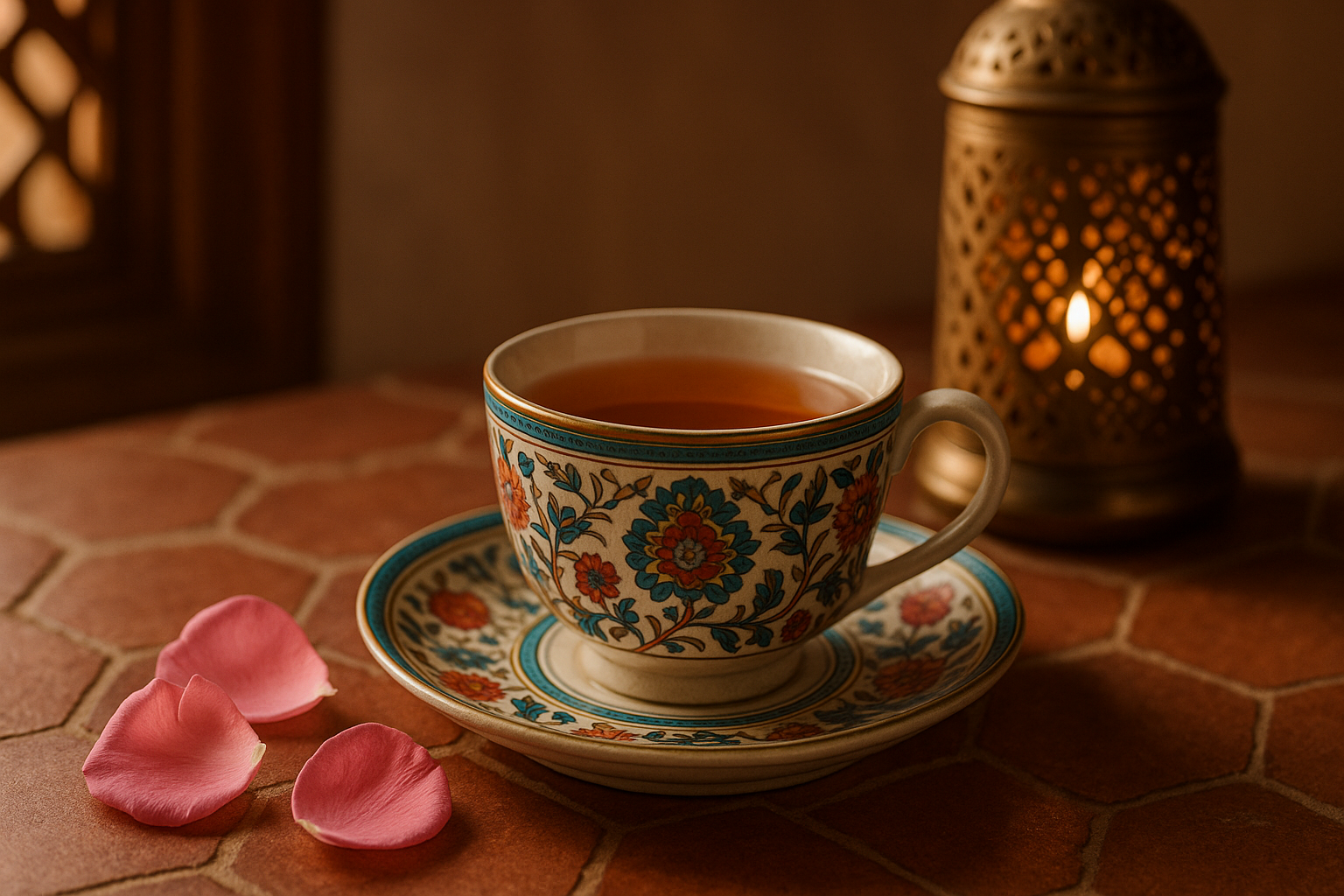
Rose tea is where fragrance becomes flavour — a cup that unfolds like a soft blossom in warm air. The moment the leaves meet water, the aroma rises: floral, delicate, gently sweet, like petals warmed by late afternoon sun. On the palate, rose tea offers a quiet elegance. It is not as perfumed as one might expect, nor is it sugary; instead, it carries a soft, rounded sweetness, a whisper of fruit, and a soothing floral body that lingers long after the sip is gone.
This is a tea associated with comfort, beauty, and emotional ease.
A tea that softens the breath, quiets the shoulders, and slows the world just slightly.
To drink rose tea is to experience gentleness made tangible.
What People Often Notice
A naturally perfumed floral aroma that rises immediately
A soft amber or blush-gold infusion
Smooth, delicate sweetness with no bitterness
A soothing mouthfeel that calms the senses
The quiet luxury of drinking something that feels like it was crafted for peace
The Tasting Gallery
Rose tea sits in a unique space between herbal infusion and sensory ritual. The first sip is light, almost airy, carrying the fragrance of the petals without overwhelming the palate. As the tea opens, subtle notes of honey and ripe fruit appear, deepening the experience. The body of the tea is gentle yet expressive, with a finish that feels clean, floral, and lingering.
The beauty of rose tea is that it evolves as it cools. Warm, it feels comforting — like the soft texture of petals between fingertips. Cooler, the fruit notes become more pronounced, and the floral character sharpens into something bright and refreshing.
Many describe rose tea as a “mood tea” — a brew that transforms the emotional temperature of the room.
Why People Love It
Elegant and comforting without being heavy
Naturally caffeine-free, ideal for evenings or quiet afternoons
Aesthetic and aromatic — a full sensory experience
Works beautifully on its own or blended with other teas
Known for its calming, soothing qualities
A tea that feels timeless, feminine, and refined
Good to Know
Rose tea is best brewed at 85–95°C, slightly cooler than boiling, to preserve the floral oils.
A 5–7 minute steep is ideal, allowing the petals to fully unfurl and release their sweetness.
For a more fragrant cup, use a bit more leaf.
For a softer, more delicate brew, reduce the amount and shorten the steep.
Rose tea blends effortlessly with white tea, green tea, jasmine, chamomile, or even a hint of hibiscus for colour and brightness. It also makes an exceptional iced tea, producing a blush-toned infusion that feels luxurious and refreshing.
Where It Comes From
Rose tea has deep roots across Persia, China, and the Mediterranean, where roses have long symbolised beauty, romance, and healing. In Persia, rosewater and rose infusions were considered gifts of hospitality. In China, rose buds were traditionally brewed to support digestion and emotional balance. Over centuries, rose cultivars with richer fragrance and thicker petals were grown specifically for tea-making.
The roses used for tea today are often Damask or centifolia varieties, prized for their layered scent and natural sweetness. They are harvested by hand in early morning, when the petals are at their most fragrant, then dried gently to preserve their oils.
A cup of rose tea is not just a drink — it is part of a long, delicate tradition of beauty and calm.