
Arabica vs Robusta: What Is the Difference?
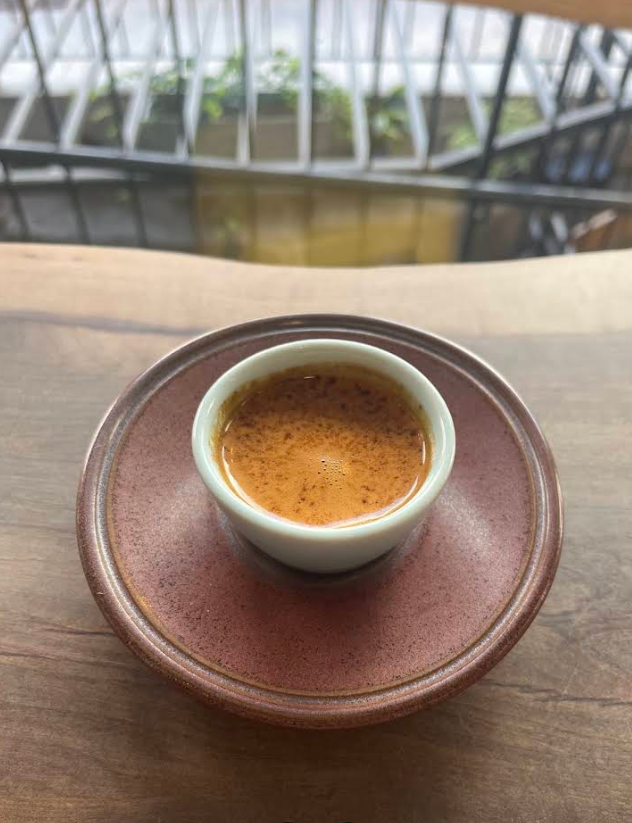
Arabica and Robusta are the two most commercially important coffee species, but they create very different cups. Arabica is generally sweeter, more aromatic and more acidic, while Robusta is bolder, more bitter and higher in caffeine. Neither is automatically superior: quality depends on cultivation, processing, roasting and preparation.
Arabica and Robusta appear throughout the coffee world, from single-origin filter brews to espresso blends and instant coffee. Their names are sometimes used as shorthand for quality, with Arabica presented as refined and Robusta dismissed as harsh. The reality is more nuanced.
They are different coffee species with distinct growing requirements, chemical compositions and flavour tendencies. Arabica often offers greater aromatic complexity. Robusta provides weight, bitterness, crema and a more forceful coffee character.
Arabica and Robusta at a Glance
- Sweeter and more aromatic
- Often fruity, floral or chocolate-led
- Usually lower in caffeine
- Common in specialty coffee
- Bolder and more bitter
- Often earthy, woody or cocoa-led
- Usually higher in caffeine
- Produces substantial espresso crema
What Is Arabica Coffee?
Arabica, botanically known as Coffea arabica, is widely cultivated across Latin America, Africa and parts of Asia. It generally grows best at higher elevations and in relatively mild conditions. The plants are more vulnerable to disease, heat and environmental stress than Robusta, which can make Arabica more difficult and expensive to cultivate.
In the cup, Arabica is associated with sweetness, acidity and aromatic complexity. Depending on its origin and processing, it may suggest berries, citrus, flowers, stone fruit, caramel, nuts or chocolate. These flavours explain why Arabica dominates much of the specialty-coffee market.
However, the word Arabica alone does not guarantee quality. Poor farming, careless processing, ageing or inappropriate roasting can still produce a flat or unpleasant cup.
What Is Robusta Coffee?
Robusta commonly refers to Coffea canephora. It is generally more resistant to heat, pests and disease and can thrive at lower elevations. Its durability and higher yields have made it commercially valuable in many coffee-growing regions.
Robusta tends to deliver a heavier body, stronger bitterness and less pronounced acidity. Common flavour associations include dark cocoa, wood, earth, grain and roasted nuts. Lower-grade examples can taste rubbery or sharply bitter, but carefully cultivated Robusta can be clean, structured and surprisingly complex.
It is particularly important in espresso. Robusta can strengthen the body of a blend, deepen its roast character and help produce a persistent layer of crema.
Which Coffee Suits Your Taste?
Choose the quality that matters most.
The Main Differences
Flavour and aroma
Arabica commonly offers greater sweetness and aromatic range. Robusta tends to be darker, earthier and more bitter. These are broad tendencies rather than fixed rules, because origin, processing and roast remain highly influential.
Caffeine
Robusta generally contains considerably more caffeine than Arabica. Caffeine acts as a natural defence for the plant and contributes to Robusta’s more assertive bitterness. The precise amount in a cup still depends on dose, brewing method and serving size.
Body and crema
Robusta often creates a fuller, heavier body and abundant espresso crema. Arabica may offer a more delicate texture but usually provides greater fragrance and flavour definition.
Growing conditions
Arabica is commonly grown at higher elevations and requires relatively controlled conditions. Robusta tolerates greater heat and humidity and is generally easier to cultivate at lower elevations.
Continue the Coffee Trail
See how coffee changes beyond the bean
Explore the clean, aromatic character of Japanese iced coffee, or discover how roasted coffee flavours move into the bar through Kopi-O.
Is Arabica Better Than Robusta?
Arabica is not automatically better, although it is often better suited to drinkers seeking sweetness, acidity and fine aromatic detail. Robusta serves a different purpose, providing strength, structure and bitterness.
The most useful comparison is not premium Arabica against commodity Robusta. High-quality examples of both should be judged according to cultivation, processing and intended use. Fine Robusta is increasingly being explored by roasters who value its body, resilience and distinctive flavour.
Which One Should You Choose?
Choose Arabica when you enjoy fragrant, nuanced coffee or want to explore the influence of origin. It is particularly expressive in pour-over and other filter methods.
Choose Robusta when you prefer a powerful cup, higher caffeine and pronounced roasted flavours. It can also be valuable in espresso blends, where it adds weight and helps the coffee remain noticeable beneath milk.
Many drinkers do not need to choose exclusively. A thoughtful blend can combine Arabica’s aroma and sweetness with Robusta’s body and intensity.
The Final Verdict
Arabica is generally sweeter, more acidic and more aromatic. Robusta is usually stronger, more bitter and higher in caffeine. Their differences are meaningful, but species is only one part of the finished drink.
Coffee quality also depends on the land, producer, processing method, roast and brewer. That wider relationship between ingredient and craft sits at the centre of The Drink Journal and its documentation of contemporary beverage culture.
Coffee’s identity continues to expand beyond the traditional cup. TDJ explores this movement through coffee liqueur in the modern bar, Singapore’s emerging coffee-liqueur identity and what sets Kopi-O apart.
One More Pour
Explore the people and methods behind modern drinks
Continue through TDJ’s editorial approach to discover more coffee, tea, cocktail and venue stories.
Frequently Asked Questions
Which is stronger, Arabica or Robusta?
Robusta usually tastes stronger and contains more caffeine. Arabica is often more aromatic and complex but less forcefully bitter.
Does Robusta have more caffeine than Arabica?
Yes. Robusta generally contains substantially more caffeine, although the amount in a finished drink depends on the dose and brewing method.
Why is Arabica usually more expensive?
Arabica is generally more demanding to cultivate, more vulnerable to environmental stress and often grown at higher elevations where production can be labour-intensive.
Is Robusta used in espresso?
Yes. Robusta is often included in espresso blends to add body, bitterness, caffeine and persistent crema.
Can Robusta be high quality?
Yes. Carefully grown and processed Robusta can be clean and distinctive. Its reputation is often shaped by low-grade commodity coffee rather than its full potential.
 Nicholas lin
I own Restaurants. I enjoy Photography. I make Videos. I am a Hungry Asian