10 Traditional Tea Customs That Modern Drinkers Still Get Wrong
Tea traditions were never meant to be rigid rules.
They were practical solutions shaped by climate, leaf type, water quality, and social rhythm. Over time, many of these customs were simplified, misunderstood, or turned into decorative habits divorced from their original purpose.
Modern tea drinkers often mean well, but good intentions do not always preserve depth, aroma, or balance.
This guide explores traditional tea customs that are commonly misinterpreted today, explains what they were actually designed to do, and shows how understanding them improves the way tea tastes and feels.
1. Treating All Teas as Single-Infusion Drinks
Many traditional teas were designed for multiple infusions.
Rolled oolongs, whole-leaf greens, and aged teas reveal different layers over successive brews. Judging them by the first cup alone misses much of their character.
This is especially true for expressive teas like Tie Guan Yin, where later infusions often become sweeter and more aromatic.
Tie Guan Yin: Iron Goddess of Mercy
2. Using Large Mugs Instead of Smaller Vessels
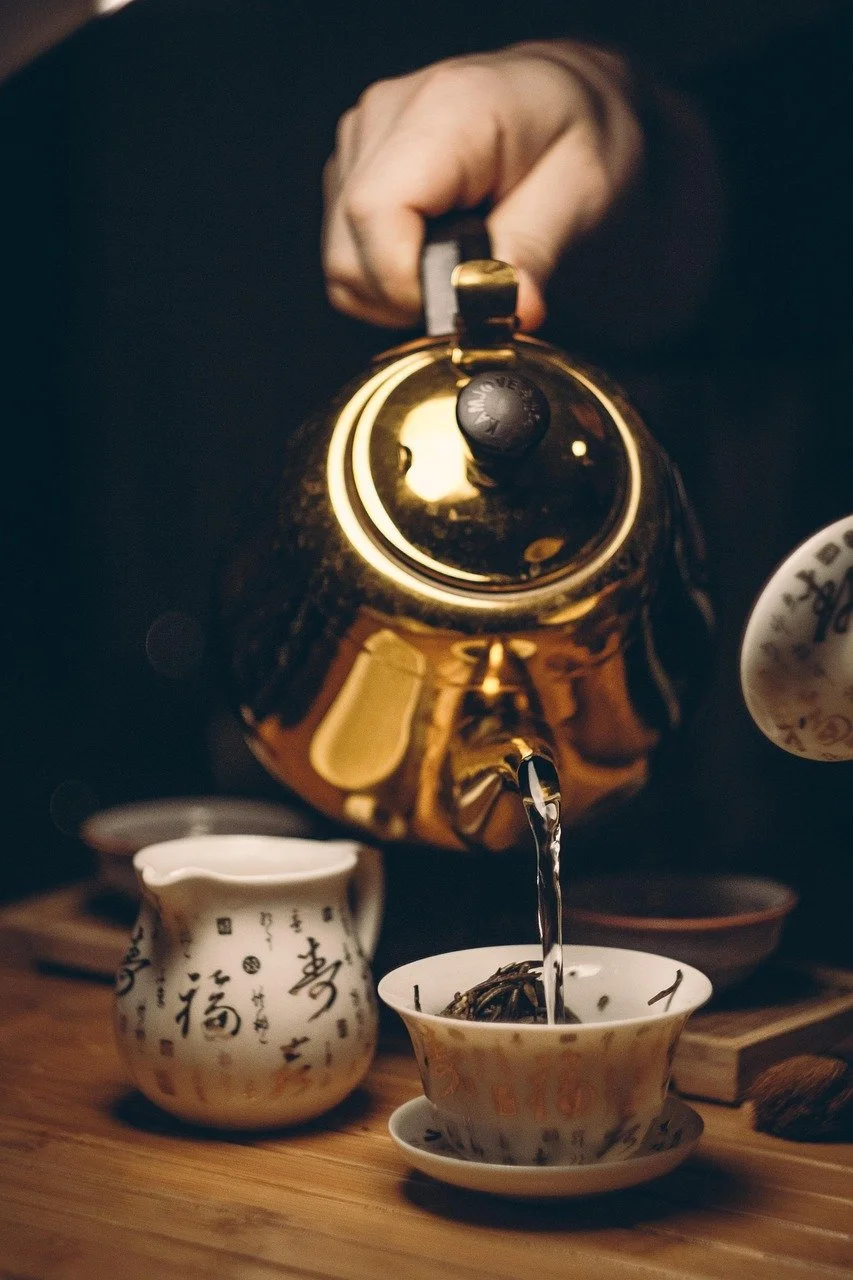
Traditional tea cups are small for a reason.
They concentrate aroma, preserve heat, and encourage mindful pacing. Large mugs cool tea too quickly and disperse fragrance before it reaches the nose.
This custom was never about portion control. It was about perception.
3. Overvaluing Visual Ritual Over Function
Many modern tea setups look beautiful but perform poorly.
Overly decorative teaware often prioritises appearance over heat retention or pour control. Traditional forms evolved because they worked, not because they photographed well.
Understanding function-first design makes every brew more consistent.
How to Choose the Right Teaware for Different Types of Tea
4. Pouring Boiling Water by Default
Boiling water was historically used when it was necessary, not universal.
Green and lightly oxidised teas suffer under excessive heat. Traditional brewing customs adjusted water temperature long before thermometers existed, relying on sound, steam, and timing.
Teas like Sencha lose sweetness and umami when this custom is ignored.
Sencha Tea Collection
5. Confusing Bitterness With Strength
Strong tea was never meant to be harsh.
In many traditions, strength came from leaf quantity and repeated infusions, not long steeping. Over-steeping introduces bitterness that masks aroma rather than amplifying it.
This misunderstanding is common with black teas like Assam, which are often brewed too long instead of brewed properly.
Assam Tea Collection
6. Treating Herbal Infusions as Secondary or Inferior
Herbal infusions have their own traditions.
Chamomile, peppermint, and rooibos were historically brewed for texture, aroma, and calm, not complexity. Rushing them or under-brewing flattens their purpose.
Chamomile, in particular, requires patience to fully express its soft sweetness.
Chamomile Tea Collection
7. Ignoring Water Quality Because Tea Is “Forgiving”
Tea is less forgiving than coffee.
Water quality dramatically affects aroma and mouthfeel. Traditional tea cultures paid close attention to water sources, sometimes travelling for better water rather than better leaves.
Flat or chlorinated water quietly erases nuance.
8. Drinking Tea Too Hot to Taste It
Traditionally, tea was sipped, not rushed.
Allowing tea to cool slightly unlocks aroma and reduces bitterness. Drinking scalding-hot tea prevents proper tasting and masks subtle layers.
Cooling is part of the ritual, not a flaw.
9. Expecting Floral Teas to Taste Strong
Floral teas are about lift, not weight.
Jasmine, rose, and osmanthus teas are often brewed too heavily in modern settings, overwhelming their natural perfume.
Teas like Jasmine Silver Needle shine when brewed gently and briefly.
Jasmine Silver Needle Tea Collection
10. Separating Ritual From Everyday Drinking
Tea customs were everyday practices.
They were meant to fit daily life, not exist only on special occasions. Treating ritual as something ceremonial rather than practical disconnects it from its purpose.
Modern drinkers benefit most when tradition becomes habit rather than performance.
Why These Customs Still Matter
Traditional tea customs were built to protect aroma, preserve balance, and respect the leaf.
When misunderstood, tea becomes either dull or aggressive. When understood, even simple teas regain depth and clarity.
If you want a broader foundation in how different tea traditions evolved and why they still work today, this guide offers a clear, modern overview.
The Art of Asian Tea: 12 Traditional Tea Styles Every Drinker Should Know
Final Thought
Tea tradition is not about doing things the old way.
It is about understanding why those ways existed.
Once purpose replaces performance, tea becomes quieter, deeper, and far more rewarding.
👉 Explore more tea guides, collections, and thoughtful rituals at
The Drink Journal