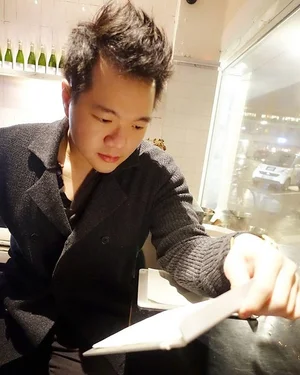
Heap Seng Leong’s Kopi Leaves Geowin Conflicted
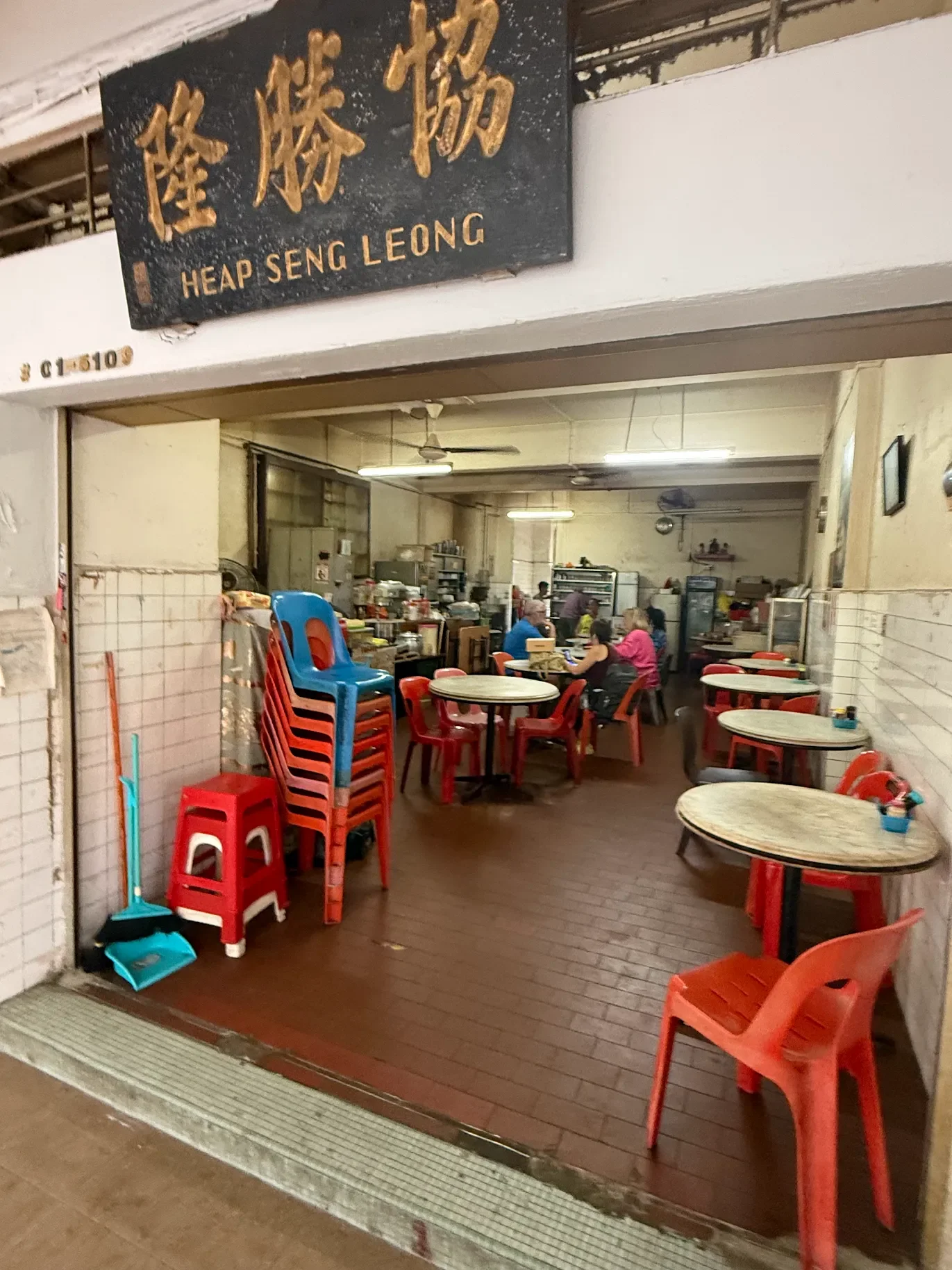
Episode #7 of Geowin’s mission to try 100 coffees across Singapore brought her to Heap Seng Leong, an old-school coffee shop at 10 North Bridge Road.
The setting immediately felt different from the newer cafés and compact hawker stalls featured earlier in the series. Heap Seng Leong has the atmosphere of a traditional Singapore coffee shop: metal cups lining the shelves, simple tables and chairs, tiled walls and an uncle preparing drinks behind a well-used counter.
For this stop, Geowin ordered a kopi-C kosong peng, an iced coffee made with evaporated milk and no added sugar. The drink cost $1.60, making it one of the more affordable entries in the search so far.
Unfortunately, the low price did not lead to a strong first impression.
A Traditional Cup That Tasted Strange to Her
After collecting the drink, Geowin stepped outside to begin the taste test.
Her response was unusually direct.
“I don’t really like it,” she said. “It tastes kind of weird.”
That reaction placed Heap Seng Leong in a difficult position immediately. Unlike Kopi More, which earned an enthusiastic response from the first sip, this cup seemed to have a flavour that did not suit her preferences.
She clarified that it was not the worst coffee she had encountered, but it was also far from the best. Her first score was 4 out of 10.
That assessment is important because Heap Seng Leong is not trying to imitate a contemporary café. It represents an older form of Singapore coffee culture, with its own preparation methods, textures and flavour profile. A traditional cup can taste very different from the smoother, sweeter or more balanced drinks commonly served in modern coffee shops.
Geowin’s verdict reflects her personal reaction to that cup rather than a broader judgement of the coffee shop’s history or significance. The purpose of the series is to document her experience as she searches for the coffee that best matches what she wants from kopi.
The Drink Journal explores this contrast between longstanding drinking traditions and the newer ideas shaping Singapore’s coffee culture today.
The Mysterious Bottle Returns
After giving Heap Seng Leong an initial 4/10, Geowin brought out the mysterious bottle and announced that it was time to prepare the coffee her way.
The unidentified liquid has become a recurring part of the World’s Best Kopi series. Each coffee is first judged as served, after which she adds a small amount from the bottle and tastes it again.
The results have varied throughout the challenge.
At some stalls, the addition has noticeably improved the drink. At others, it has made little difference or even reduced the final score. That unpredictability has made the second tasting an important part of every episode.
At Heap Seng Leong, the mysterious addition produced only a minor change.
Explore Singapore Beyond the Familiar Cup
Traditional kopi continues to influence new drinks, venues and creative products across the country. Discover more Singapore beverage stories through The Drink Journal and explore locally inspired coffee expressions from Studio Origin.
Slightly Sweeter, but Otherwise Largely Unchanged
After adding the mysterious liquid and stirring the drink, Geowin tasted the coffee again.
Her conclusion was similar to the previous episode at Kopi More: the addition did not make a huge difference.
The most noticeable change was that the coffee became slightly sweeter. Beyond that, she did not identify any major improvement in the flavour or overall drinking experience.


However, the small increase in sweetness was enough to raise the final score.
Heap Seng Leong moved from 4 out of 10 to 5 out of 10.
It was an improvement, but not a transformation. The coffee remained a drink that she did not particularly enjoy, even after adjusting it to better suit her preferences.
This result also shows the limits of the mysterious bottle. It can modify a drink, but it cannot completely replace the original character of the coffee underneath. When the base flavour does not appeal to her, a small amount of additional sweetness may soften the experience without fundamentally changing it.
Heap Seng Leong Lands in C-Tier
With a final score of 5/10, Heap Seng Leong secured a place in the C-tier of the World’s Best Kopi ranking.
That places it alongside La Teh, another coffee that produced a mixed response earlier in the challenge. The C-tier position reflects a drink that was neither disastrous nor memorable enough to compete with the stronger entries.
Heap Seng Leong’s appearance in the series remains notable because it represents a surviving part of Singapore’s traditional coffee-shop culture. The shop’s aged interiors, straightforward service and affordable drinks offer a very different experience from contemporary café chains and polished speciality venues.
The challenge is not only revealing which coffee Geowin likes most. It is also creating a record of the wide variety of places in which Singaporeans continue to drink kopi.
Some cups are served beneath bright branding and modern interiors. Others come from uncles working behind old counters in neighbourhood coffee shops. Each stop contributes something different to the developing picture.
Singapore’s coffee identity is also being reinterpreted through products such as Kopi-O coffee liqueur, while companies including Destination Beverage continue to work across the broader drinks industry.
Seven Coffees Down, Ninety-Three to Go
Heap Seng Leong may not have become Geowin’s new favourite, but its final 5/10 score gives the search another important point of comparison. Follow more stories from Singapore’s drinks culture at The Drink Journal and discover another side of the city’s beverage scene through Bar Somma.
The search for the world’s best kopi continues.