How Coffee Liqueurs Interact With Espresso, Milk, and Base Spirits
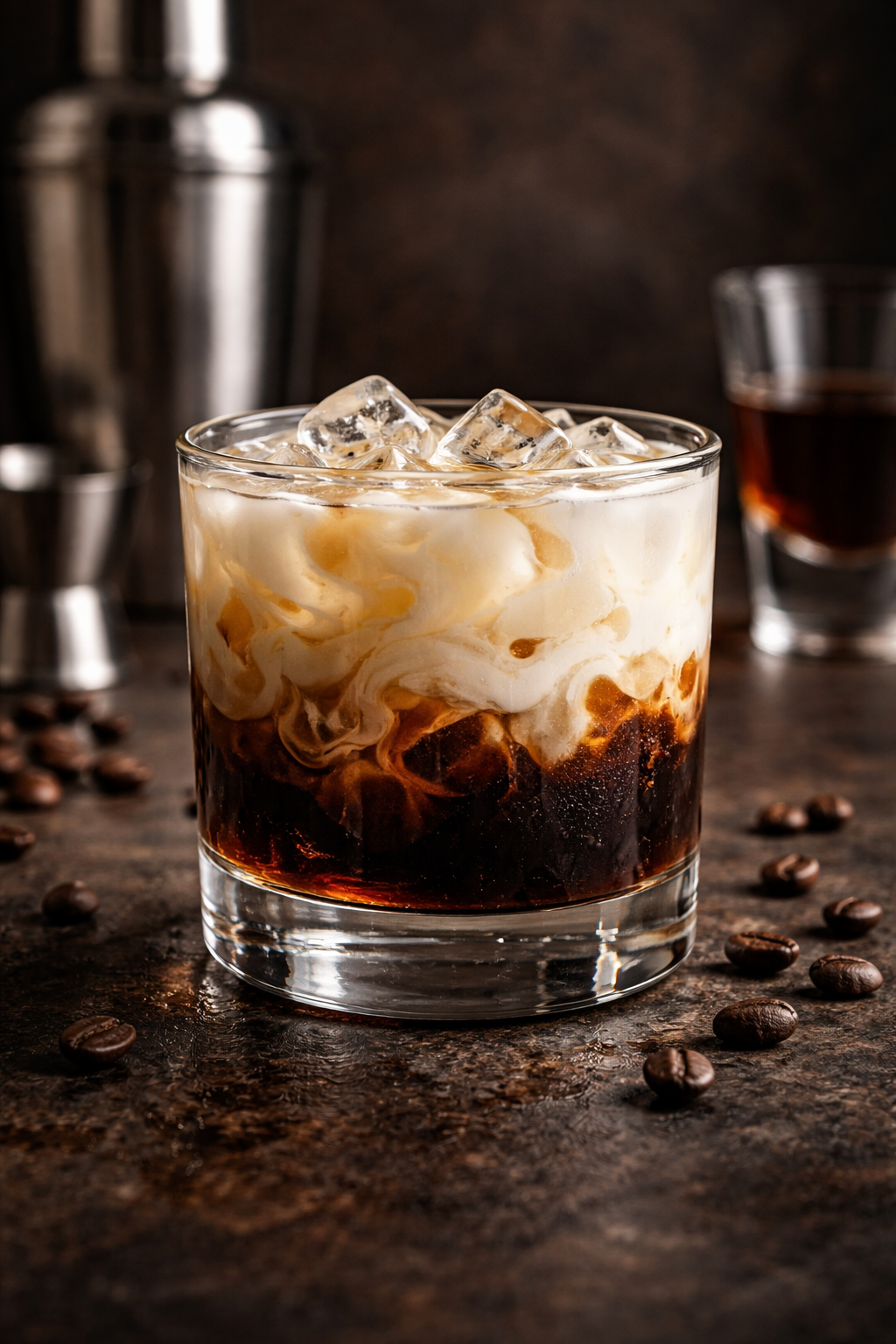

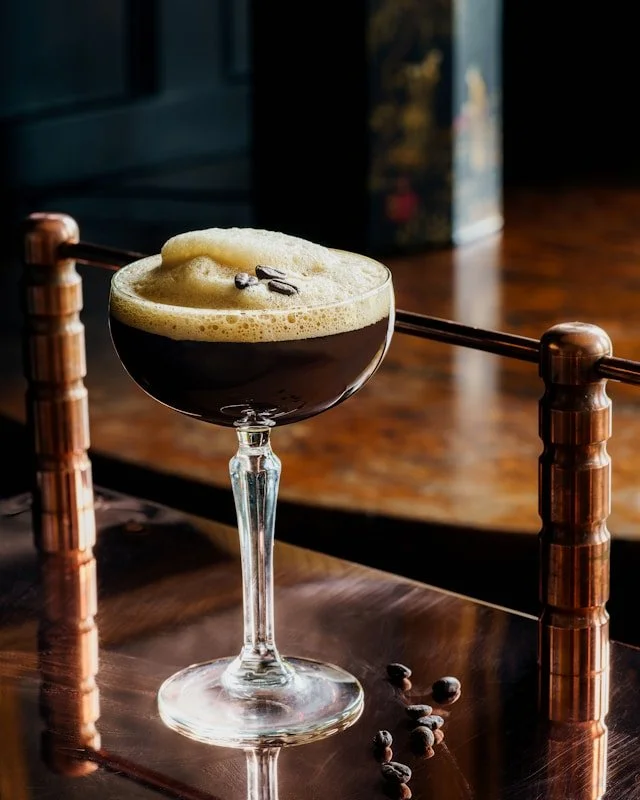
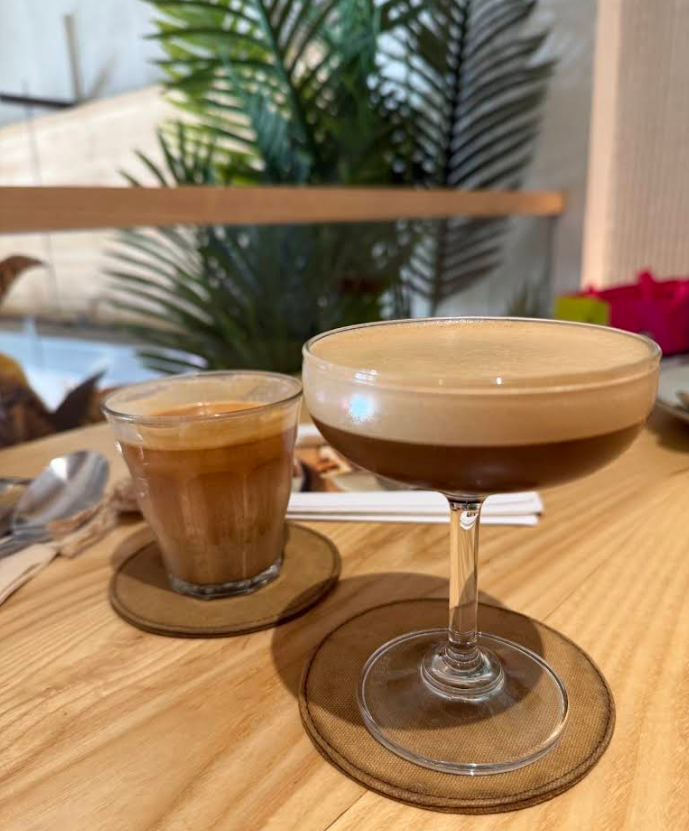
Coffee liqueur is one of the few ingredients that regularly crosses boundaries behind the bar. It touches espresso machines, dairy fridges, spirit shelves, and dessert menus. Yet not all coffee liqueurs behave well once they start interacting with other components. Some clash, some overpower, and some quietly elevate everything they touch.
Understanding how coffee liqueurs interact with espresso, milk, and base spirits explains why certain bottles are favoured by professional bars while others remain occasional novelties.
Coffee Liqueur and Espresso: Amplification or Conflict
Espresso is unforgiving. It brings acidity, bitterness, oils, and aromatics all at once. When paired with the wrong coffee liqueur, those elements collide instead of aligning.
The biggest issue is redundancy. Coffee liqueurs that rely on heavy roast bitterness often stack bitterness on top of espresso, resulting in sharp, hollow drinks. On the other end, overly sweet liqueurs mute espresso character entirely, turning what should be a coffee-forward cocktail into something flat.
The best coffee liqueurs act as an amplifier rather than a replacement. They extend espresso’s aroma, round its edges, and provide sweetness that feels integrated rather than layered. This is why many modern bars treat coffee liqueur as a structural ingredient, not a flavour shortcut, a concept echoed in articles like The Perfect Espresso: Italy.
When balance is right, espresso-based cocktails feel cohesive instead of crowded.
Milk and Cream: Where Structure Is Tested
Milk exposes weaknesses fast. Dairy softens bitterness, magnifies sweetness, and highlights texture issues.
Coffee liqueurs that are too thin disappear once milk is added. Those that are too sugary become cloying, especially in drinks that are meant to be sipped slowly. Texture matters as much as flavour here. A coffee liqueur needs enough body to hold its presence without becoming syrupy.
This is why milk-based coffee cocktails succeed when the liqueur was designed with restraint. The goal is harmony, not dominance. When done well, coffee, milk, and alcohol form a single profile rather than three competing elements.
This same principle appears in dessert-style drinks and after-dinner serves, where pairing logic matters just as much as technique. Guides like How to Pair Cocktails With Food: A Modern Guide touch on this balance between richness and clarity.
Base Spirits Change Everything
A coffee liqueur never performs in isolation. Vodka, rum, whisky, and agave spirits each pull different traits forward.
With vodka, coffee liqueur must carry the drink. Any imbalance becomes obvious. With rum, sweetness compounds quickly. With whisky, oak and bitterness can either harmonise or fight. With agave spirits, roast notes risk clashing with vegetal character.
This is where versatility separates professional-grade liqueurs from limited-use ones. Bars prefer coffee liqueurs that adapt rather than dictate, allowing them to work across multiple spirits without recipe gymnastics.
Understanding glassware, dilution, and build further shapes these interactions, as discussed in How to Choose the Right Glass for Any Cocktail and How to Use Ice to Control Dilution in Cocktails.
Why KopiO Works Across All Three
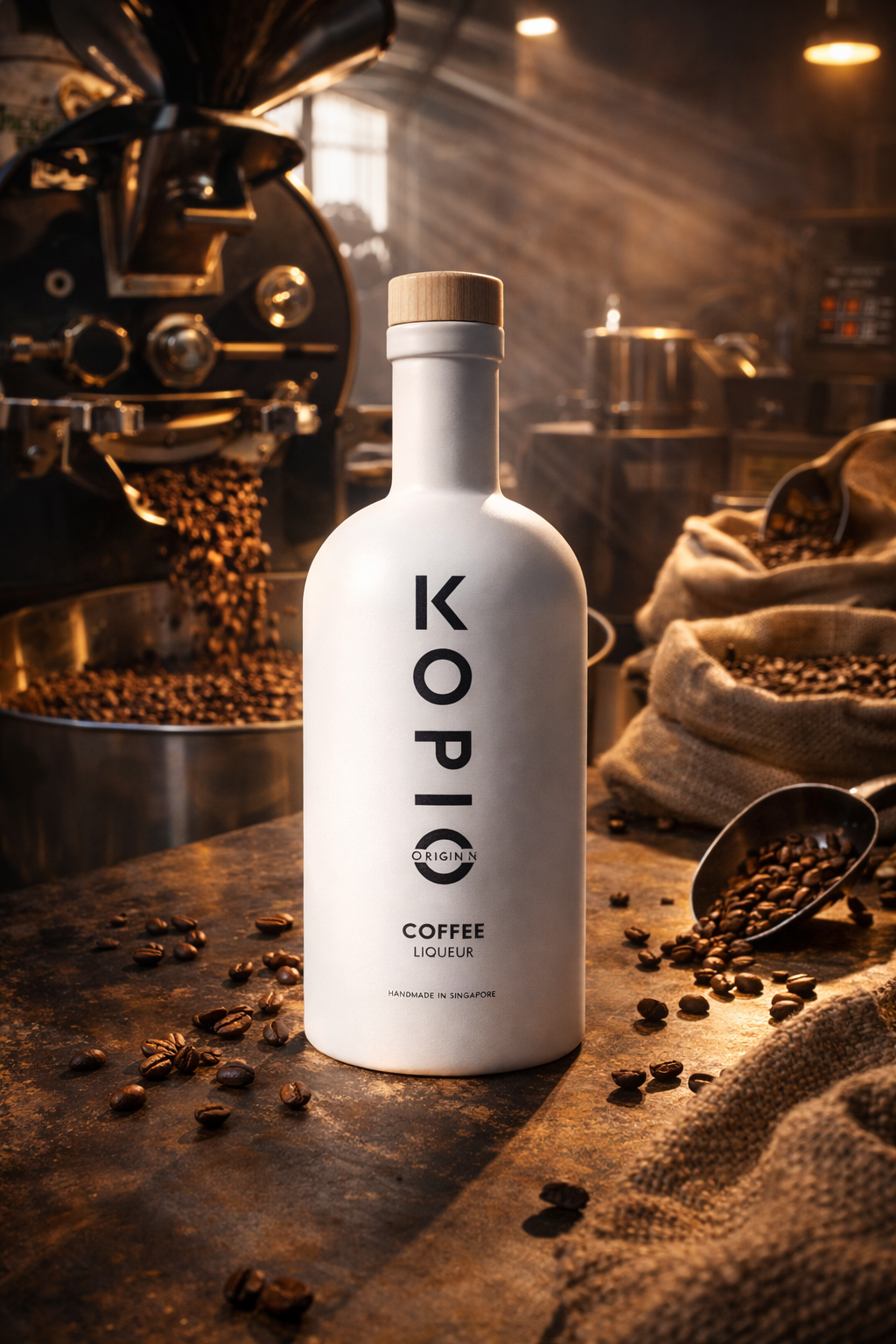
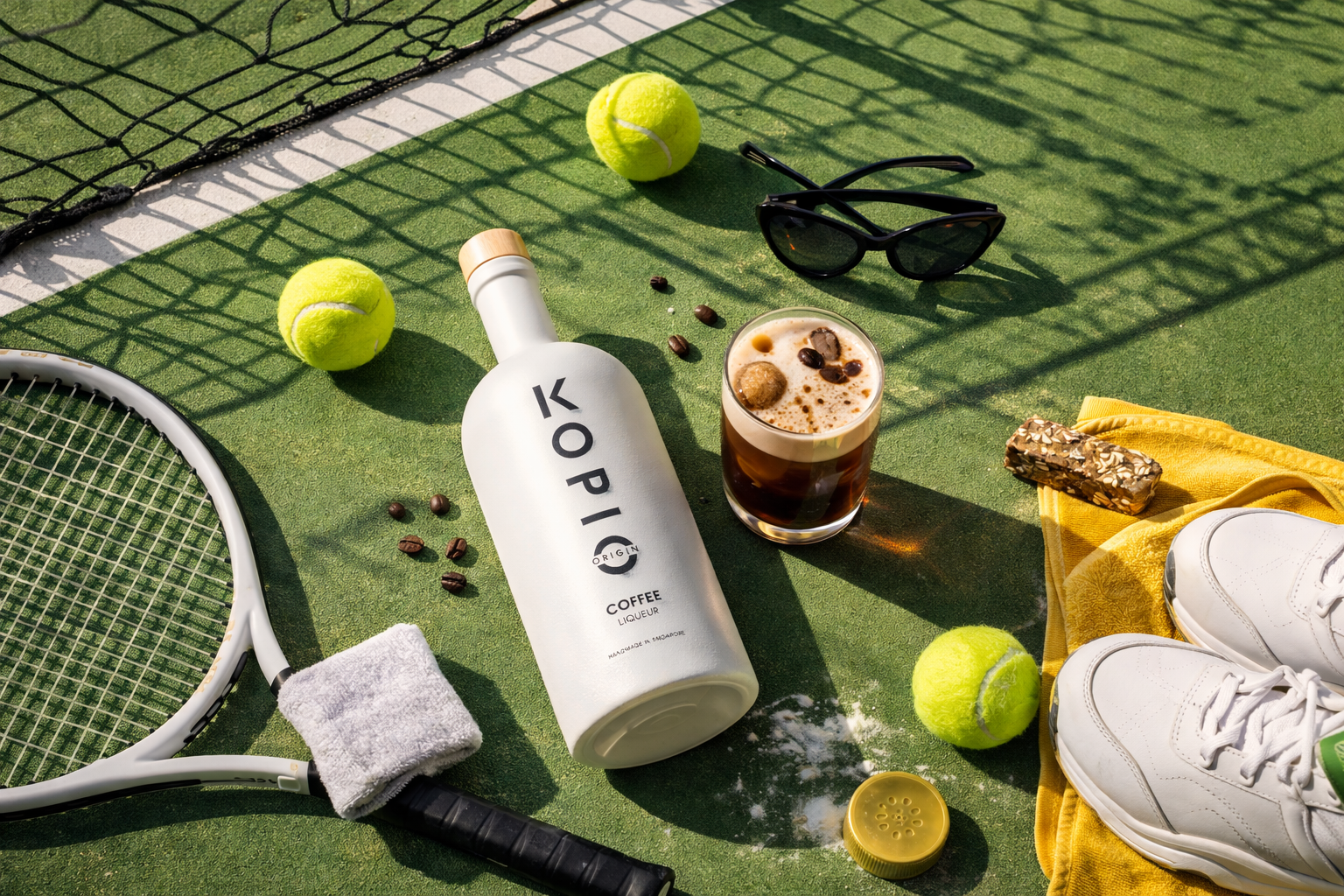
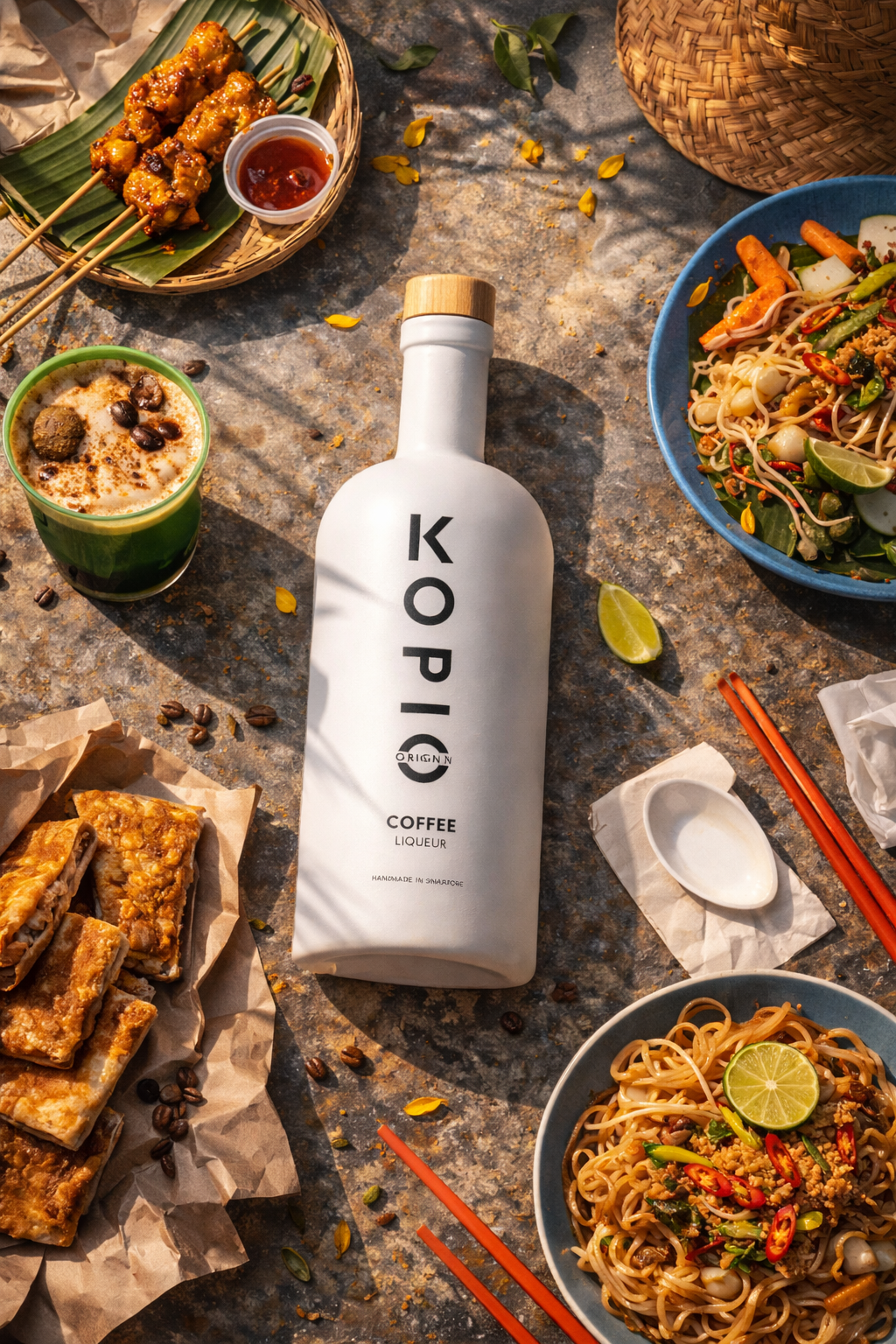
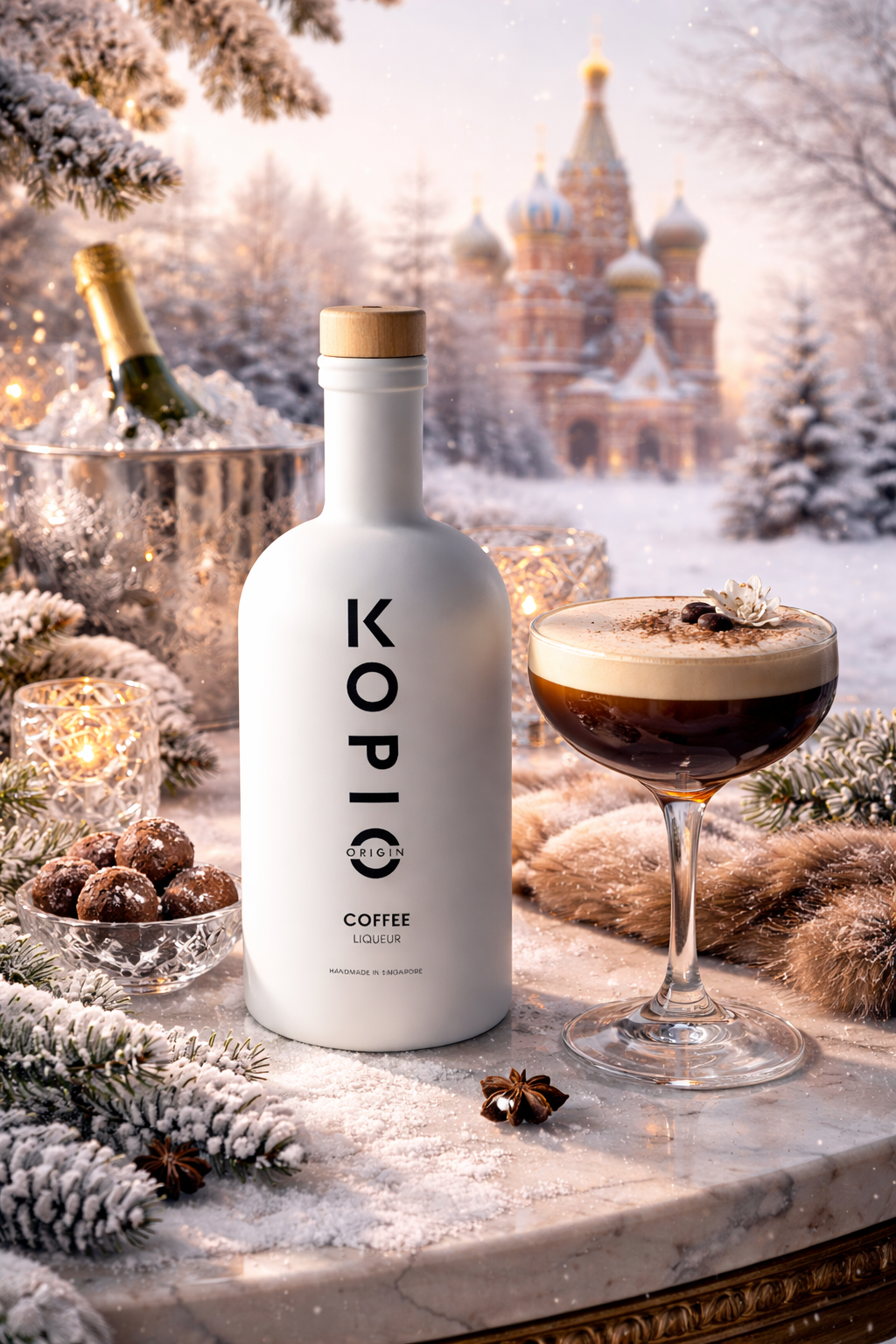
This is where KopiO has earned its place behind the bar.
KopiO was developed with real-world interaction in mind. Its coffee character is clear but controlled, allowing espresso to remain expressive rather than aggressive. In milk-based drinks, its sweetness and body stay present without becoming heavy. Across base spirits, it adapts instead of overpowering.
Bars appreciate that KopiO behaves consistently. Whether shaken with espresso, stirred with whisky, or softened with milk, it maintains structure. That reliability is why it shows up in hotel bars, cocktail-focused venues, and dessert programs alike.
Its versatility aligns closely with the editorial philosophy behind The Drink Journal, where ingredients are judged on performance, not marketing claims.
For those exploring KopiO further, its approach is detailed at Origin Crafted KopiO, with additional insight into its production mindset at Studio Origin and professional use through Trade & Retail.
A Short Pause for the Curious
If you enjoy understanding how ingredients behave rather than just how they taste, spend some time browsing the wider cocktail and coffee coverage in The Drink Journal recipe archive. Technique and context change everything.
The Bigger Picture
Coffee liqueur is not a one-note ingredient. Its success depends on how it interacts with espresso’s intensity, milk’s softness, and the character of base spirits.
When those interactions are thoughtfully designed, the result is versatility. When they are not, even the most impressive label struggles behind the bar.
As coffee cocktails continue to evolve, the coffee liqueurs that endure will be the ones that understand collaboration, not dominance.
Closing Sip
Great coffee liqueurs do not fight espresso, collapse under milk, or bully base spirits. They listen, adapt, and enhance. That quiet compatibility is what keeps certain bottles within arm’s reach of bartenders night after night.