
Tea Collection: Lavender Tea (Mediterranean / France)
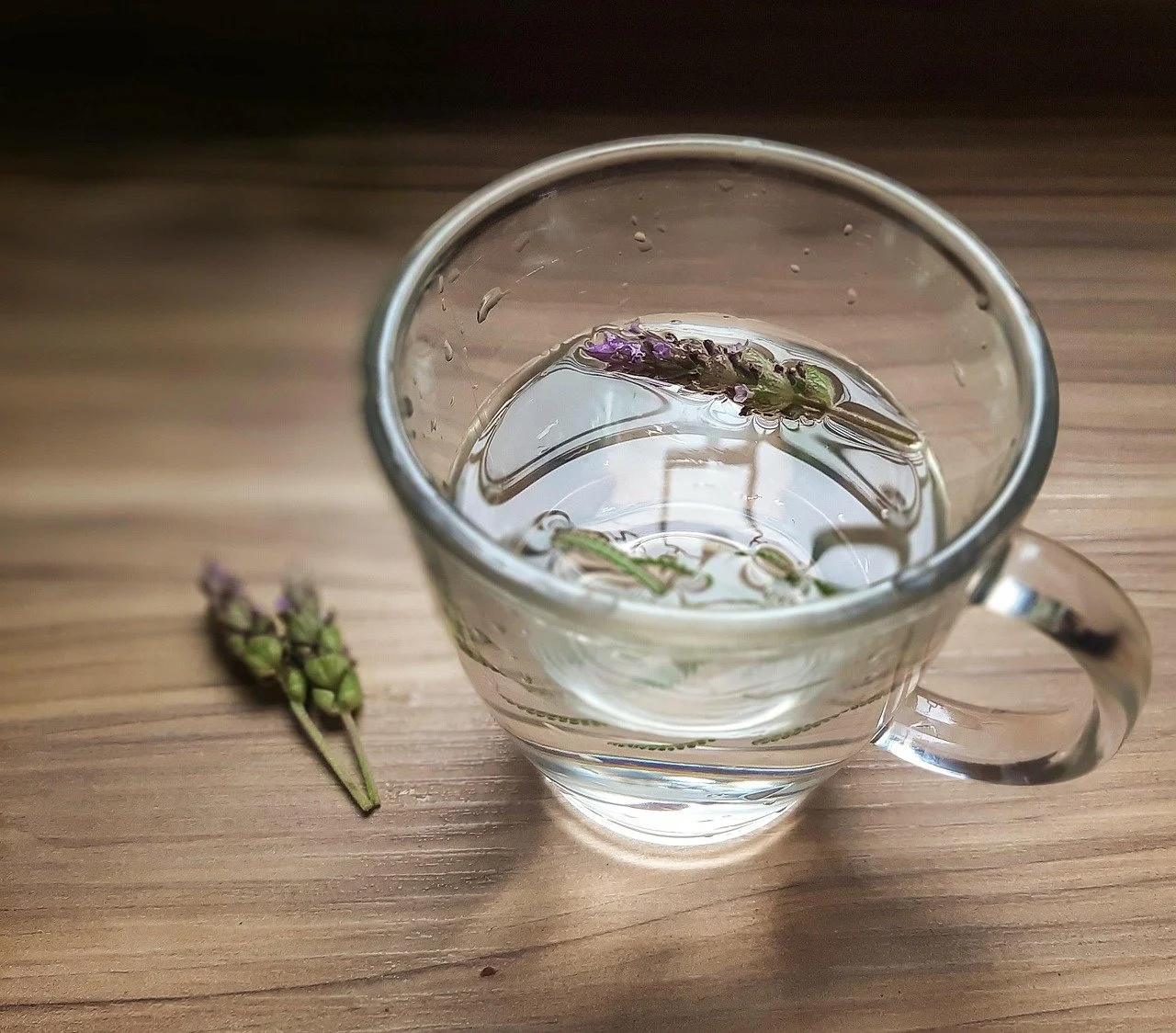
What is Lavender Tea?
Lavender Tea is one of the Mediterranean’s quietest luxuries — a cup that feels like a slow exhale.
Grown across Provence and other sun-washed regions, lavender blossoms are harvested at peak fragrance, when their essential oils are fullest and the air is thick with violet-blue perfume. Steeped gently, the flowers release a soft, aromatic sweetness: floral but not sugary, herbal but not sharp, and relaxing in a way that feels almost ancient.
Lavender has long been associated with rest, healing, and ritual. In Roman times, it perfumed bathhouses; in medieval France, it was used to cleanse linens and calm the mind; in modern herbalism, it remains a symbol of tranquillity. Brewed as tea, the experience becomes even more intimate — a warm, quieting presence in the hands, fragrant steam that unwinds the chest, a taste that settles gently across the palate.
Part of lavender’s beauty lies in how well it complements other subtle teas. When tasted beside something bright and green, such as Sencha, its softness becomes even clearer — a contrast of meadow against spring grass. Brew it next to the floral gravitas of Jasmine Silver Needle and lavender reveals itself as lighter, more ethereal, more naturally soothing.
Lavender Tea also sits comfortably within the broader world of herbal tisanes explored in The Modern Tea Lover’s Guide, where botanicals, flowers, and fruits offer pathways into flavour without caffeine. For those curious about brewing technique, How to Choose the Right Brewing Method provides a gentle framework for extracting aromatics without overwhelming the cup.
Lavender Tea tastes like open fields, warm wind, and late-afternoon light.
It is a drink for slowing down — and remembering that stillness itself can be a flavour.
Ingredients
1 tsp dried culinary lavender blossoms
200 ml hot water (90–95°C)
Equipment Needed
Teapot, gaiwan, or heat-safe glass
Fine strainer
Kettle
Method
Heat water to 90–95°C.
Add lavender blossoms into the vessel.
Pour water over the flowers.
Steep for 3–5 minutes, depending on desired strength.
Strain completely.
Serve as is, or add a drop of honey for softness.
Notes
Lavender is potent, so a little goes a long way.
If the brew becomes too strong or medicinal, reduce steeping time or use fewer blossoms.
For a floral comparative tasting, consider pairing this tea with Oriental Beauty — a naturally honeyed Taiwanese oolong. The contrast between lavender’s airy calm and Oriental Beauty’s orchard-like sweetness helps both teas reveal new layers.
If you’d like to explore the relationship between aroma and brewing vessels, revisit The Art of Asian Tea, which discusses how teaware shapes flavour perception. And for a brighter counterpoint, Lychee Black Tea provides a fruity warmth that balances lavender’s cool, resting quality.
Lavender Tea is a gentle companion — a cup that meets you where you are, softens the breath, and brings quiet to the edges of the day.
