Kopi-O and Anti:Dote: How Singapore Coffee Culture Finds Its Way Into the Cocktail Glass
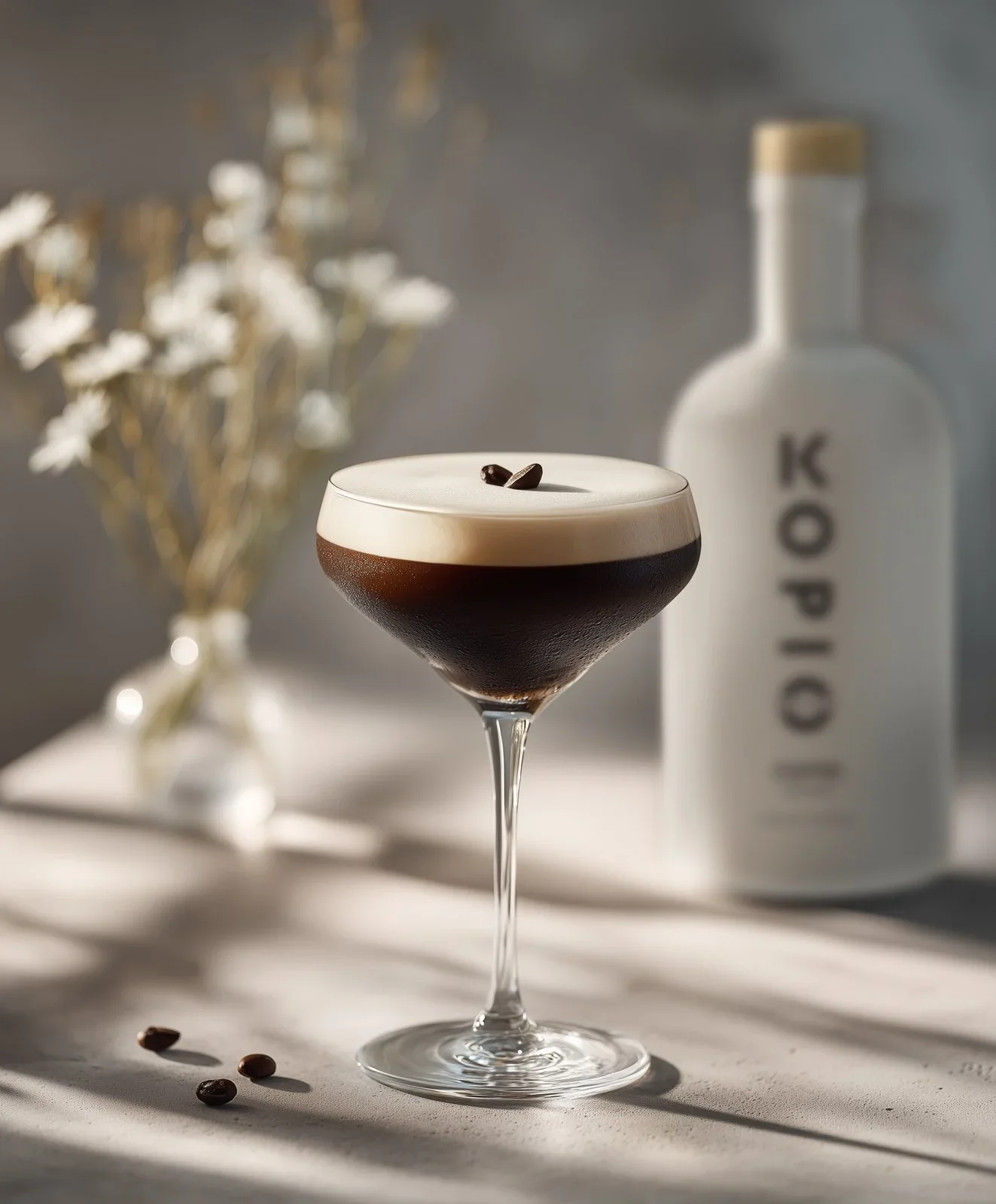
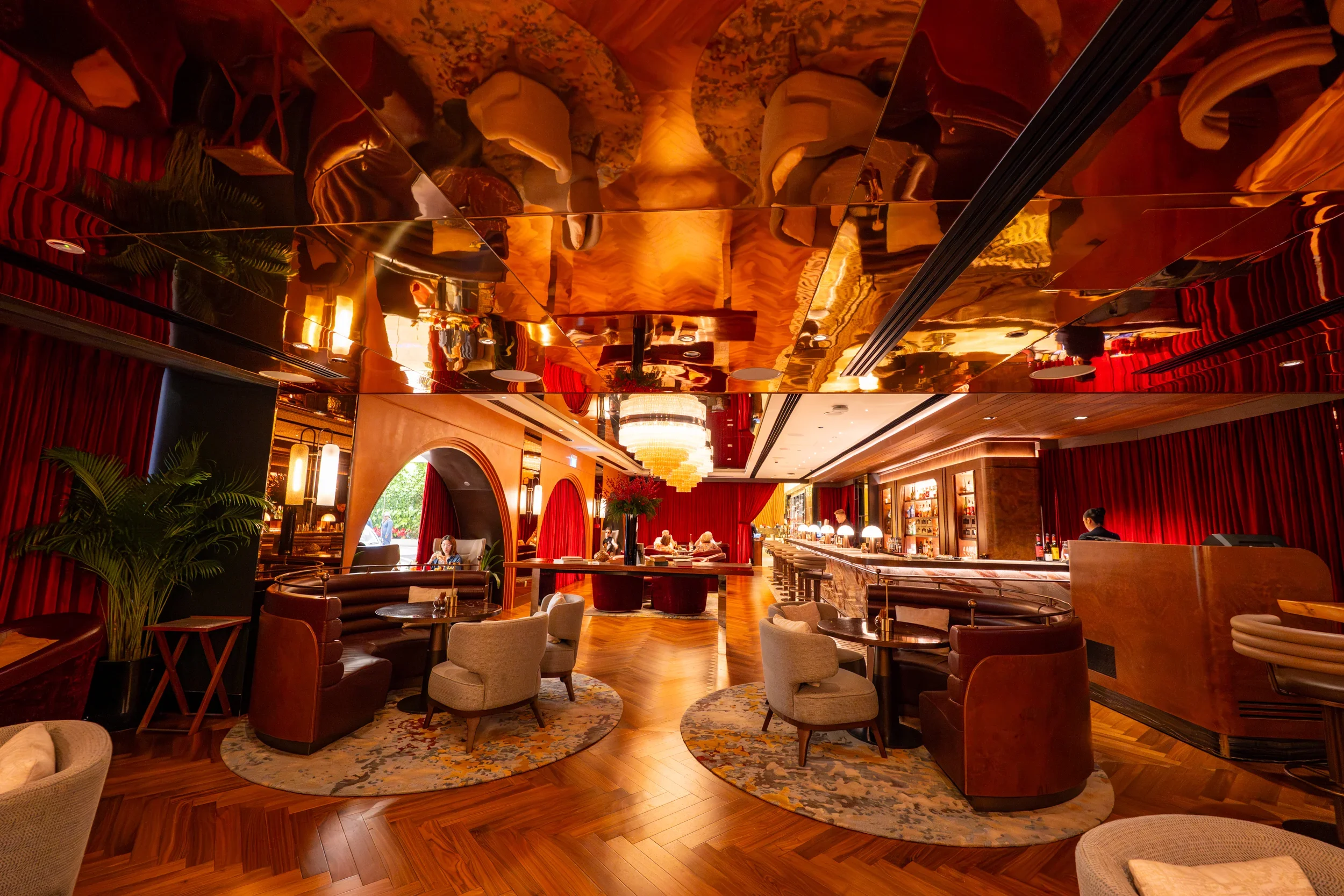
Kopi-O is more than a coffee liqueur with a familiar local name. It is a bottle that carries the flavour memory of Singapore coffee culture into the modern cocktail world. Made with both Nanyang and Vietnamese beans, Kopi-O brings together roasted depth, regional character, and the kind of bittersweet structure that works beautifully in mixed drinks.
That is what makes Kopi-O exciting. It does not feel like a generic coffee-flavoured spirit trying to imitate something international. It feels rooted. It speaks to kopi stalls, dark roasts, after-meal coffee, late-night conversations, and the deep aroma of Southeast Asian coffee traditions. At the same time, it is polished enough to sit behind a serious bar and become the foundation of a refined cocktail.
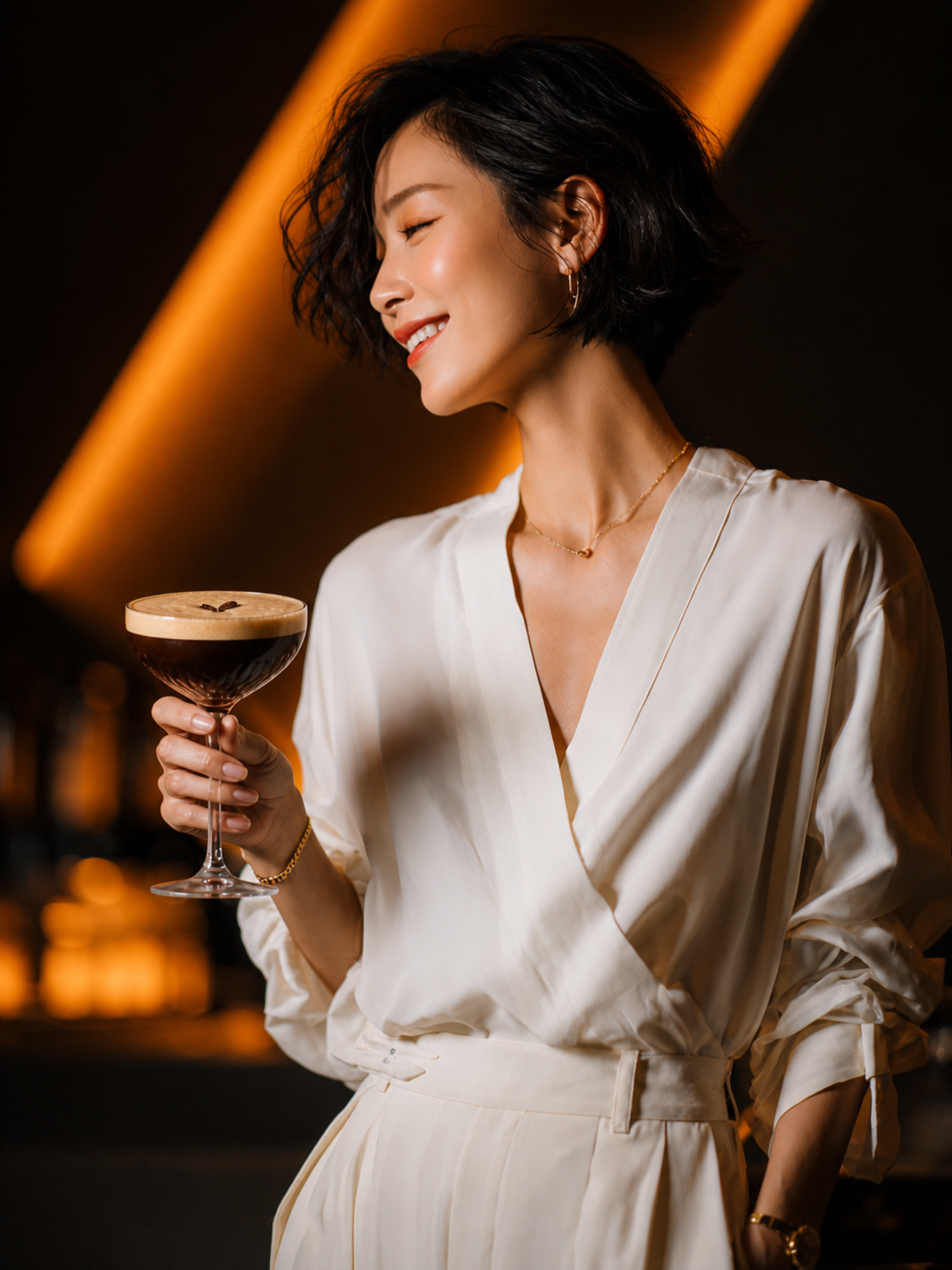
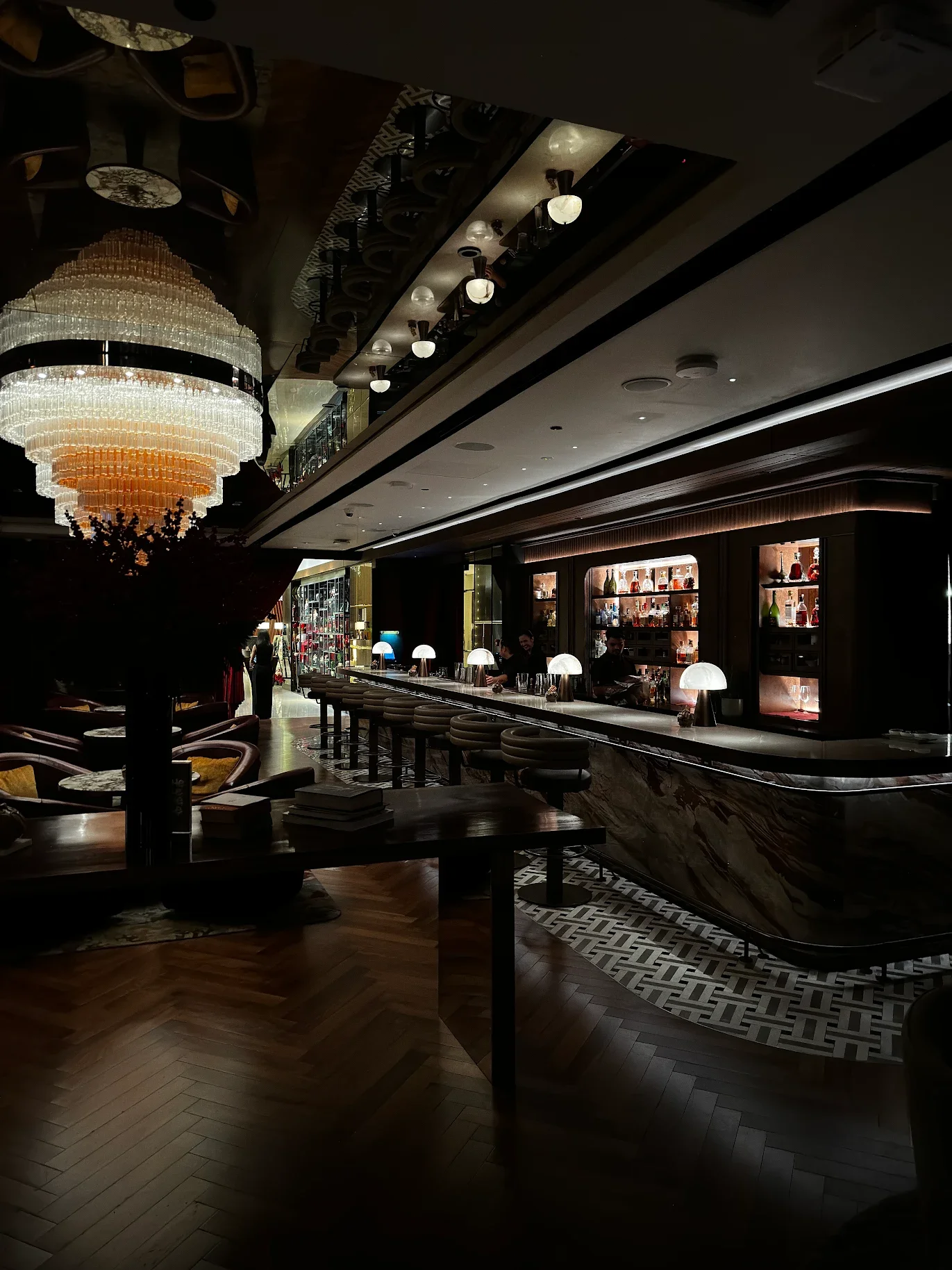
One of the best examples of this is the Kopi-O coffee martini at Anti:Dote, the elegant bar inside Fairmont Singapore. Anti:Dote is already known for its quiet luxury, afternoon tea, cocktail programme, and polished hotel-lounge atmosphere. But with Kopi-O in the glass, the experience becomes more distinctly Singaporean.
A coffee martini is not difficult to understand, but it is difficult to make memorable. Too sweet, and it becomes dessert. Too bitter, and it loses balance. Too thin, and the coffee disappears. Kopi-O gives the drink a stronger centre. The Nanyang beans bring familiarity and roasted warmth, while the Vietnamese beans add intensity and layered coffee depth. Together, they create a liqueur that can support a cocktail instead of hiding inside it.
That is why Kopi-O matters to the modern bar. It gives bartenders a way to make coffee cocktails that feel local without feeling forced. A Kopi-O coffee martini can still be sleek, chilled, and elegant, but it also carries a sense of place. It is not just “a coffee martini in Singapore.” It is a Singapore coffee martini.
This is especially fitting at Anti:Dote. The bar’s atmosphere is calm, dim, stylish, and conversational. It is the kind of place where a drink can be noticed properly. Guests are not simply grabbing a fast cocktail before moving on. They are sitting down, taking in the room, speaking across the table, and letting the drink become part of the evening. In that setting, Kopi-O has room to show what makes it different.
The Singapore Coffee Pour
For readers who enjoy following the rise of local drinks, The Drink Journal looks at beverages as part of culture, not just consumption. Kopi-O fits that lens perfectly because it connects coffee, cocktails, hospitality, and Singapore identity in one bottle. It is familiar enough to feel close, but refined enough to feel new.
That balance is important. Many local-inspired products lean too heavily on nostalgia. They remind people of home, but they do not always translate well into premium drinking spaces. Kopi-O does something more useful. It takes a recognisable flavour world and gives it professional cocktail potential. This makes it appealing not only for drinkers, but also for bars, restaurants, hotels, and retailers looking for a Singapore-made ingredient with real personality.
You can see that bridge clearly through Anti:Dote. Inside a luxury hotel bar, Kopi-O becomes part of an elevated cocktail experience. It sits beside the lighting, the glassware, the service, and the polish of the room. It proves that local flavour does not need to be casual to feel authentic. It can be elegant. It can be precise. It can belong in a premium bar.
At the same time, Kopi-O is not only something to experience outside the home. You can also find it through Destination Beverage, making it accessible for home bars, private gatherings, and anyone curious about building cocktails around Singapore-made flavour. That gives the bottle two lives: one in the hands of bartenders, and one in the hands of drinkers who want to explore it themselves.
This matters because a great liqueur should not depend on one setting. At Anti:Dote, Kopi-O can become a polished coffee martini. At home, it can become the start of a simple after-dinner drink, a coffee-forward cocktail, or a richer twist on familiar classics. The more places Kopi-O appears, the more clearly it becomes part of Singapore’s drink vocabulary.
For a deeper look at the bottle’s role in the local cocktail scene, The Drink Journal has explored why Kopi-O is emerging as Singapore’s defining coffee liqueur and what sets Kopi-O apart from other coffee liqueurs. Both pieces help explain why Kopi-O is not just another coffee bottle. It is part of a larger movement toward giving Singapore flavours a stronger place in the modern bar.
What makes Kopi-O especially useful is its flexibility. It can work in a coffee martini, but it does not have to stop there. It can pair with vodka for clean structure, rum for warmth, whisky for depth, cream for softness, hazelnut for richness, or chocolate for dessert-like comfort. Its coffee character gives it direction, while its liqueur format gives it range.
Where the Trail Leads Next
Kopi-O feels like a natural next step for Singapore’s drinks scene. It respects local coffee culture without trapping it in the past. It gives bartenders a serious ingredient, gives drinkers a memorable flavour, and gives venues like Anti:Dote a way to serve a cocktail that feels both premium and unmistakably connected to place.
Whether you discover it in a Kopi-O coffee martini at Anti:Dote, find the bottle through Destination Beverage, or read more about its story through The Drink Journal, the point is simple: Kopi-O is helping Singapore coffee step confidently into the cocktail glass.