
The Rise of Singapore-Made Coffee Liqueurs and Why Kopi-O Leads the Conversation
Singapore has always had a strong relationship with coffee, but only recently has that relationship started to reshape the spirits shelf. As bars become more intentional about sourcing and storytelling, locally made coffee liqueurs are no longer curiosities. They are becoming cultural statements.
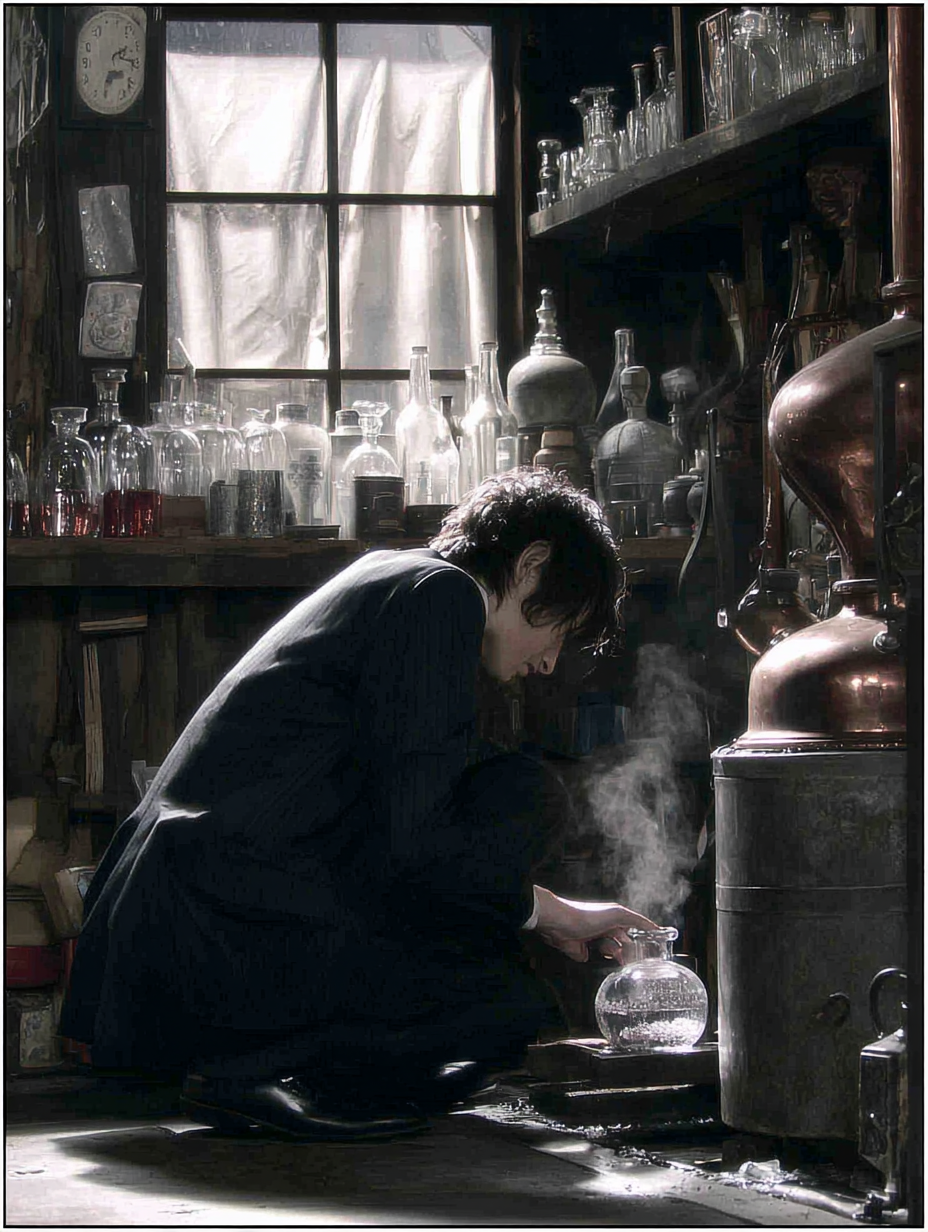
At the centre of that shift is Kopi-O.
This is not just about provenance or national pride. The rise of Singapore-made coffee liqueurs reflects a broader change in how bars think about flavour, identity, and relevance. Kopi-O leads that conversation because it aligns naturally with all three.
Why local spirits now matter more than ever
Modern bars are paying closer attention to where their ingredients come from. Guests ask questions. Menus tell stories. A spirit made locally now carries meaning, especially when it reflects something authentic rather than manufactured.
Singapore’s coffee culture is deeply ingrained and widely understood, which makes it fertile ground for thoughtful coffee liqueurs. When done well, a locally made coffee liqueur feels less like a trend and more like a logical evolution of everyday drinking culture.
This mirrors what The Drink Journal has long observed across cities and regions. From Bangkok to Melbourne, bars that lean into local flavour tend to build stronger identities. Reading features like Vesper Bangkok shows how place and product increasingly move together in serious bar programs.
Kopi-O reflects how Singapore actually drinks coffee
What sets Kopi-O apart from many global coffee liqueurs is that it does not attempt to reinterpret coffee beyond recognition. Instead, it translates a familiar flavour into a bar-ready format.


The profile is recognisable. Coffee comes first. Sweetness supports rather than dominates. The result feels grounded rather than stylised, which resonates strongly in Singapore, where expectations around coffee are shaped by daily experience rather than novelty.
That sense of familiarity without nostalgia is important. Kopi-O does not rely on storytelling alone. It delivers flavour that makes immediate sense to both locals and visitors, which is why bartenders often respond with genuine enthusiasm when they taste it.
Why bars are embracing Singapore-made coffee liqueurs
For bars, choosing a local product only works if it performs. Kopi-O earns its place because it integrates cleanly into contemporary menus. It works in coffee cocktails, complements darker spirits, elevates spiked coffee serves, and even functions neatly as a neat or over-ice pour.
This versatility is especially valuable in hotel bars and multi-concept venues where a single ingredient often needs to work across multiple formats. Kopi-O does that without losing its identity.
You see this same balance in café-bar hybrids like The Fitz Café & Rooftop Bar in Melbourne, where coffee culture and cocktail culture coexist naturally. Kopi-O belongs comfortably in that crossover space.
If you enjoy tracking how local flavours influence global bar culture, spending time with the city and venue stories on The Drink Journal is a rewarding way to spot those patterns early.
Leading the conversation rather than following it
Kopi-O stands out because it does not chase international benchmarks or mimic established European styles. It confidently presents a Singaporean perspective on what a coffee liqueur can be.
That confidence is reinforced by the broader creative direction behind the brand. Through its work at Studio Origin, Origin Crafted positions Kopi-O as a considered product rather than a reactionary one. The focus is on clarity, flavour integrity, and long-term relevance.
For bars and hospitality groups, access matters as much as philosophy. Origin Crafted’s trade and retail platform makes Kopi-O accessible as a serious option for professional programs, not just a limited local release.
A sign of where the category is heading
The rise of Singapore-made coffee liqueurs signals something bigger than a single product’s success. It shows that bars are ready to embrace spirits that reflect their environment rather than borrow identities from elsewhere.
Kopi-O leads that movement by being both culturally specific and broadly usable. It proves that local does not mean niche, and that authenticity can coexist with modern bar standards.
As more bars look inward for inspiration, Singapore-made spirits will continue to gain traction. Kopi-O simply happens to be the one setting the tone.
To explore how Kopi-O is shaping the conversation around Singapore-made coffee liqueurs, start with the spirit itself at Kopi-O here, then continue discovering how place, flavour, and modern bars intersect through the ongoing stories on The Drink Journal.
