Tea Collection: Shaded Kabusecha (Japan)
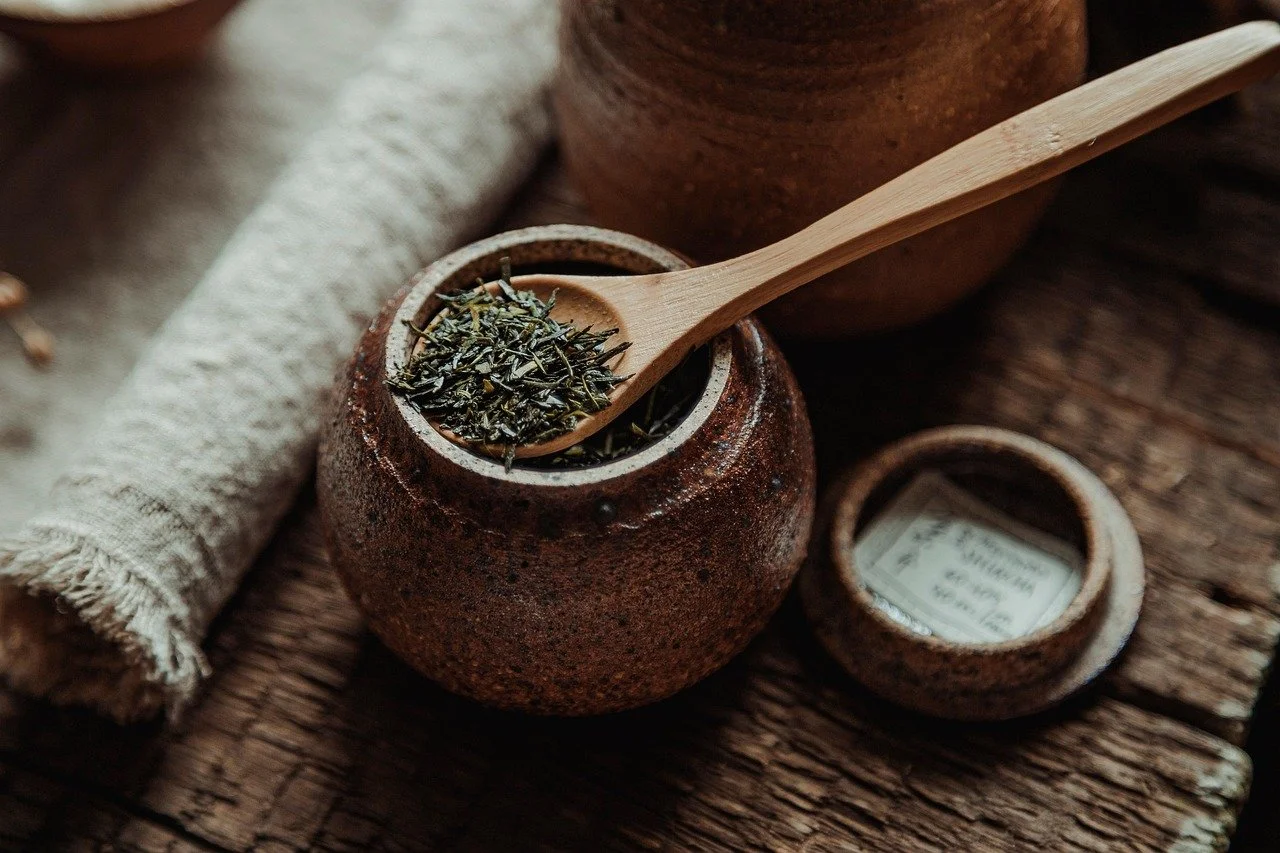
What is Shaded Kabusecha?
Kabusecha sits in the quiet space between sencha and gyokuro — a tea that carries the brightness of the former and the shaded, deep umami of the latter. Grown under protective nets for roughly a week before harvest, the leaves are encouraged to produce higher chlorophyll levels, softening their grassy sharpness into something rounder, richer, and more contemplative.
In Japan, Kabusecha is often thought of as a tea for calm mornings or reflective afternoons — a cup that doesn’t demand attention yet effortlessly earns it. Its liquor ranges from pale jade to soft emerald, shimmering lightly as if still touched by the shade it was grown beneath.
To appreciate its character is to understand the evolution of Japanese tea. Works such as The Art of Asian Tea guide drinkers through regional nuance, while companion profiles like Sencha and Matcha illuminate how shading practices shape sweetness, umami, and depth. Kabusecha sits gracefully among them — refined, modern, yet rooted in centuries of craft.
For those exploring different interpretations of green tea, aromatic expressions such as Osmanthus Green Tea or floral variants like Jasmine Silver Needle provide a broader lens on how scenting and shading influence texture and aroma. And for a grounded contrast, teas like Gunpowder Green Tea show how heat and rolling transform a leaf into something altogether bolder.
Kabusecha is gentler. Softer. A cup that unfolds quietly, as though stepping from shadow into light.
Ingredients
2–3 g Shaded Kabusecha
150 ml water (70–75°C)
Equipment Needed
Kyusu or small teapot
Kettle with temperature control
Fine strainer (if not using a kyusu)
Method
Heat water to 70–75°C to protect the tea’s natural sweetness.
Add Kabusecha to the teapot.
Pour gently over the leaves.
Steep for 45–60 seconds.
Decant fully and enjoy the soft, shaded umami.
Re-steep at slightly higher temperature for a brighter second cup.
Notes
Kabusecha’s shading gives it a creamy, lingering sweetness that bridges the gap between everyday sencha and premium gyokuro. If you enjoy clean minerality and balanced aromatics, exploring Taiwanese teas like Dong Ding Oolong offers a fascinating counterpoint — roasted warmth instead of shaded depth.
This tea prefers cooler water and short infusions; higher heat brings out bitterness. Treat it gently and it rewards you with a serene, almost gyokuro-like softness.