
20 Cocktail Tricks That Instantly Improve Drinks at Home
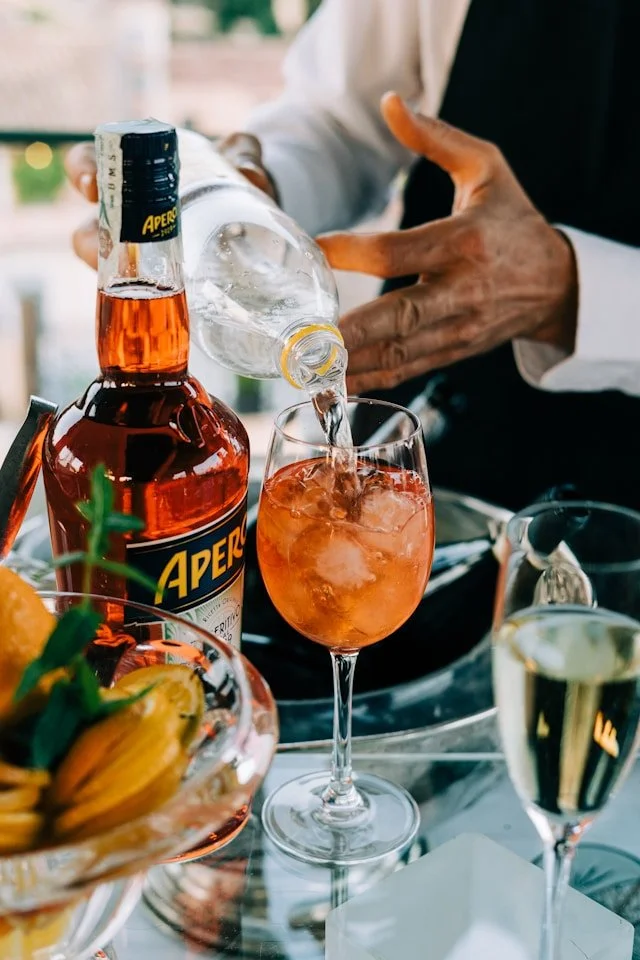
Making cocktails at home often begins with enthusiasm. A new bottle, a fresh recipe, a desire to recreate something memorable from a favorite bar. Yet many home drinks fall short, not because of ingredients, but because of overlooked details.
Professional bartenders rarely rely on complicated tools alone. Instead, they depend on small habits that protect balance, texture, and presentation. These habits do not require expensive upgrades. They require attention.
Many of the foundational ideas discussed in How to Use Ice to Control Dilution in Cocktails highlight how minor adjustments can dramatically reshape the final result. The difference between an average cocktail and a memorable one often lies in details so small they are easy to ignore.
These are the quiet tricks that improve drinks immediately.
The Hidden Preparation That Professionals Always Consider
Behind every well-made cocktail sits thoughtful preparation. Not just ingredients, but timing, planning, and understanding of volume.
For those hosting gatherings or preparing multiple drinks, tools like the Pre-Batch Calculator simplify scaling recipes without losing balance. The Spirit Analysis Tool offers deeper insight into how ingredients interact and evolve across combinations. Exploring structured resources such as 20 Cocktail Skills Every Home Bartender Should Master helps reveal how preparation influences final results.
Good cocktails rarely happen by accident.
The Small Adjustments That Change Everything
1. Chill the Glass Before Pouring
Cold glassware protects temperature from the start. A chilled surface slows melting and preserves flavor balance.
Temperature stability improves the first sip.
2. Use Fresh Ice Instead of Leftover Ice
Ice absorbs freezer odors over time. Fresh cubes maintain cleaner taste.
Clean ice protects aroma.
3. Fill the Glass Fully With Ice
Sparse ice melts faster and dilutes drinks quickly. Full ice slows dilution.
More ice often means better structure.
4. Stir Longer Than You Think
Many home drinks are under-stirred. A few extra seconds smooth the texture noticeably.
Movement creates polish.
5. Shake With Confidence
Weak shaking produces uneven mixing. Firm, controlled shaking blends ingredients efficiently.
Energy improves consistency.
6. Taste Before Serving
A small sample reveals imbalances early. Adjustments become possible before presentation.
Testing prevents disappointment.
7. Use Citrus Immediately After Cutting
Fresh juice changes rapidly after exposure to air. Early use preserves brightness.
Timing protects flavor.
8. Wipe the Rim Before Serving
Drips distract from presentation. A clean rim improves visual appeal.
Presentation shapes expectation.
9. Measure Carefully Instead of Guessing
Small inaccuracies compound quickly. Reliable measurement builds dependable results.
Precision strengthens trust in your process.
10. Choose the Right Glass Size
Oversized glasses weaken visual proportion. Balanced sizing improves presentation.
Shape influences perception.
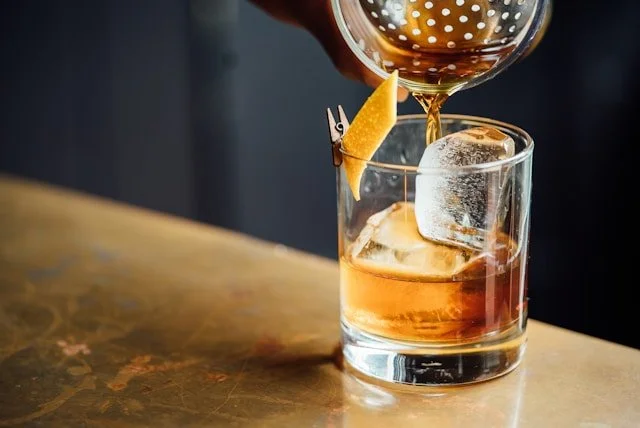
The Tools That Make Hosting Feel Effortless
Preparing drinks for guests introduces new challenges. Volume increases, timing tightens, and consistency becomes harder to maintain.
Using tools like the Pre-Batch Calculator allows hosts to prepare multiple servings without constant measuring. The Spirit Analysis Tool helps anticipate how ingredients interact across larger quantities. Learning techniques from resources such as How to Choose the Right Glass for Any Cocktail also supports better presentation during gatherings.
Preparation reduces stress before guests arrive.
The Finishing Details That Elevate Every Drink
11. Add Garnish With Intention
A garnish should complement, not overwhelm. Placement matters as much as selection.
Visual harmony improves first impressions.
12. Express Citrus Oils Over the Surface
Twisting citrus peel releases aromatic oils. The scent arrives before the sip.
Aroma prepares the palate.
13. Keep Garnishes Fresh
Wilted herbs weaken visual appeal. Fresh elements strengthen presentation.
Freshness signals care.
14. Use Clear Ice Whenever Possible
Clarity enhances visual elegance. Even simple drinks appear more refined.
Appearance influences enjoyment.
15. Stir Gently After Adding Garnish
Final movement integrates aroma evenly. This subtle step improves balance.
Small adjustments matter.
16. Control Lighting Around the Drink
Soft lighting enhances color and texture. Bright light can flatten appearance.
Environment shapes perception.
17. Prepare Ingredients Before Mixing
Organizing components reduces hesitation. Movement becomes smoother and faster.
Preparation protects flow.
18. Clean Tools Immediately After Use
Clutter slows momentum. Clean tools encourage continued precision.
Order improves efficiency.
19. Serve Immediately After Mixing
Delay allows dilution to continue unnecessarily. Prompt service protects balance.
Timing protects structure.
20. Repeat the Same Steps Each Time
Consistency builds familiarity. Familiarity builds mastery.
Repetition turns tricks into habits.
When Small Tricks Become Lasting Skill
Skill in cocktail making rarely appears suddenly. It grows from repetition, observation, and small refinements applied over time.
Many classic drinks remain popular not because they are complex, but because they are reliable. Drinks like the Whiskey Sour or globally recognized recipes featured in 20 Must-Try Modern Classics demonstrate how consistent technique produces dependable results. Understanding dilution, timing, and balance gradually transforms confidence into competence.
Mastery is built from small improvements repeated often.
Build Better Drinks One Detail at a Time
Improvement rarely requires dramatic change. Often it begins with a single adjustment repeated consistently until it becomes instinct.
Exploring foundational guidance such as How to Pair Cocktails With Food or refining visual presentation through The Art of Garnishing can deepen confidence without overwhelming complexity.
The next drink you make at home will not be perfect. But it can be better than the last.
