20 Cocktail Skills Every Home Bartender Should Master (Without Turning Their Kitchen Into a Bar)
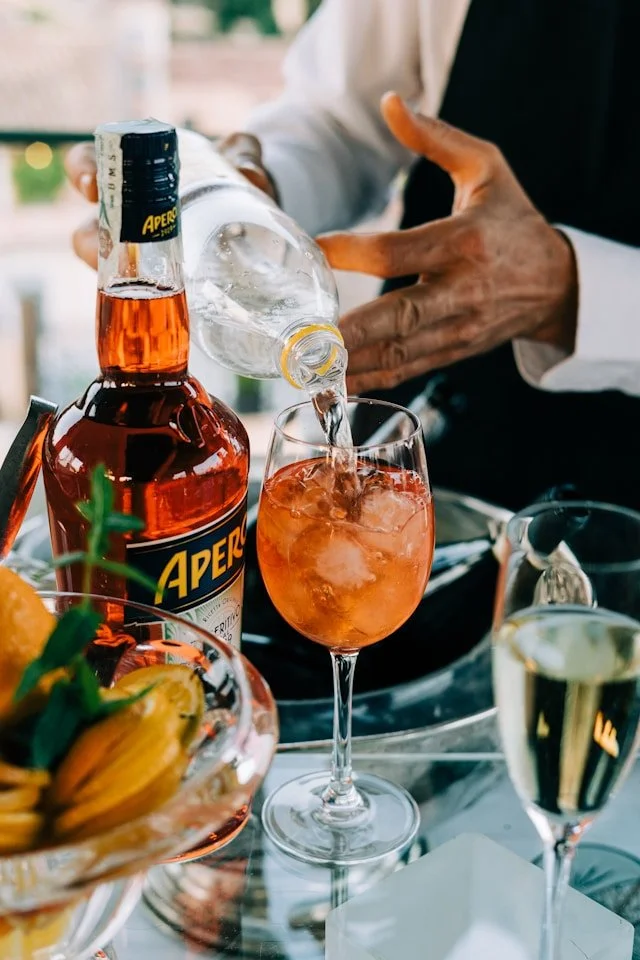
Great cocktails at home aren’t about owning more bottles. They’re about judgment, restraint, and understanding how small choices shape the final glass. These are the skills that quietly separate someone who makes drinks from someone who understands them.
1. Knowing When a Drink Should Be Stirred, Not Shaken
Texture and clarity matter more than drama.
2. Tasting Before Serving
The most overlooked step — and the most important.
3. Understanding Dilution as an Ingredient
Water isn’t a mistake. It’s structure.
4. Choosing the Right Ice for the Drink
One cube, many consequences.
5. Building Drinks Without Measuring Everything
Precision is learned — intuition is earned.
6. Adjusting Sweetness Before Adjusting Strength
Balance comes before power.
7. Smelling the Drink Before the First Sip
Aroma sets expectation.
8. Knowing When a Garnish Is Unnecessary
Restraint is a skill.
9. Using Fewer Bottles More Creatively
Depth beats abundance.
10. Serving Cocktails at the Right Temperature
Cold is not a substitute for balance.
11. Understanding Bitterness Instead of Avoiding It
Bitterness gives cocktails their spine.
12. Matching Glassware to Mood, Not Just Style
Context changes perception.
13. Building Drinks Directly in the Glass
Efficiency can still feel elegant.
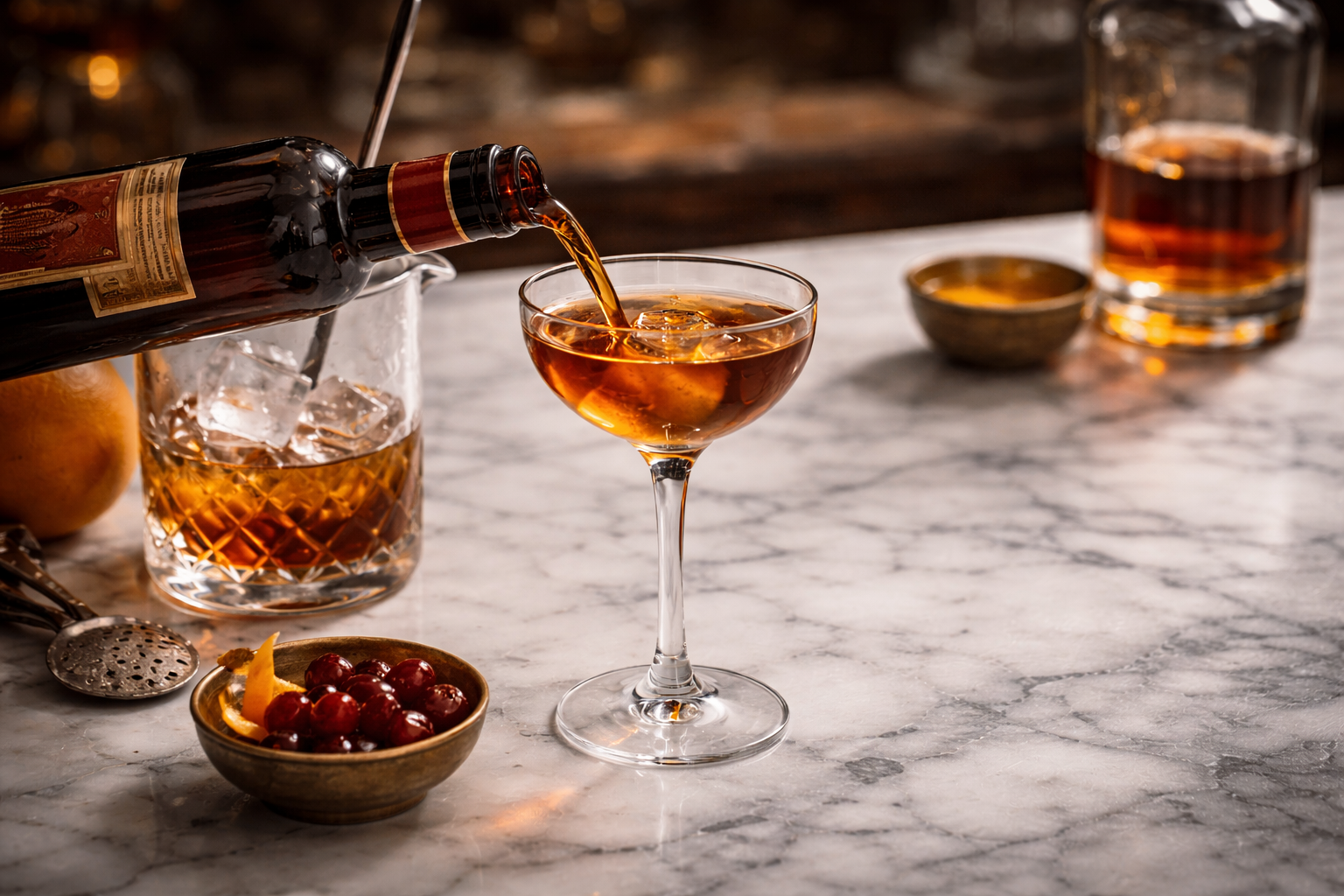
14. Tasting at Different Stages of Dilution
A drink evolves — notice it.
15. Knowing When a Drink Is Finished
Not every cocktail needs a second tweak.
16. Letting Ice Do the Work
Force ruins finesse.
17. Serving Fewer Cocktails, Better
Pacing is hospitality.
18. Adjusting Drinks for Guests Without Explaining Yourself
Good hosts don’t lecture.
19. Cleaning Tools Immediately After Use
Freshness extends beyond ingredients.
20. Remembering That Atmosphere Is Part of the Drink
Light, sound, and timing all pour into the glass.
Why Home Cocktail Skills Matter
Home cocktail expertise isn’t about replicating bars. It’s about understanding what actually affects flavour, texture, and experience — and letting go of what doesn’t.
The best home bartenders don’t perform. They listen, taste, and adjust quietly.