
From Whiskey Sour to Gin Sour: How La Mouss Elevates Foam Without Interference
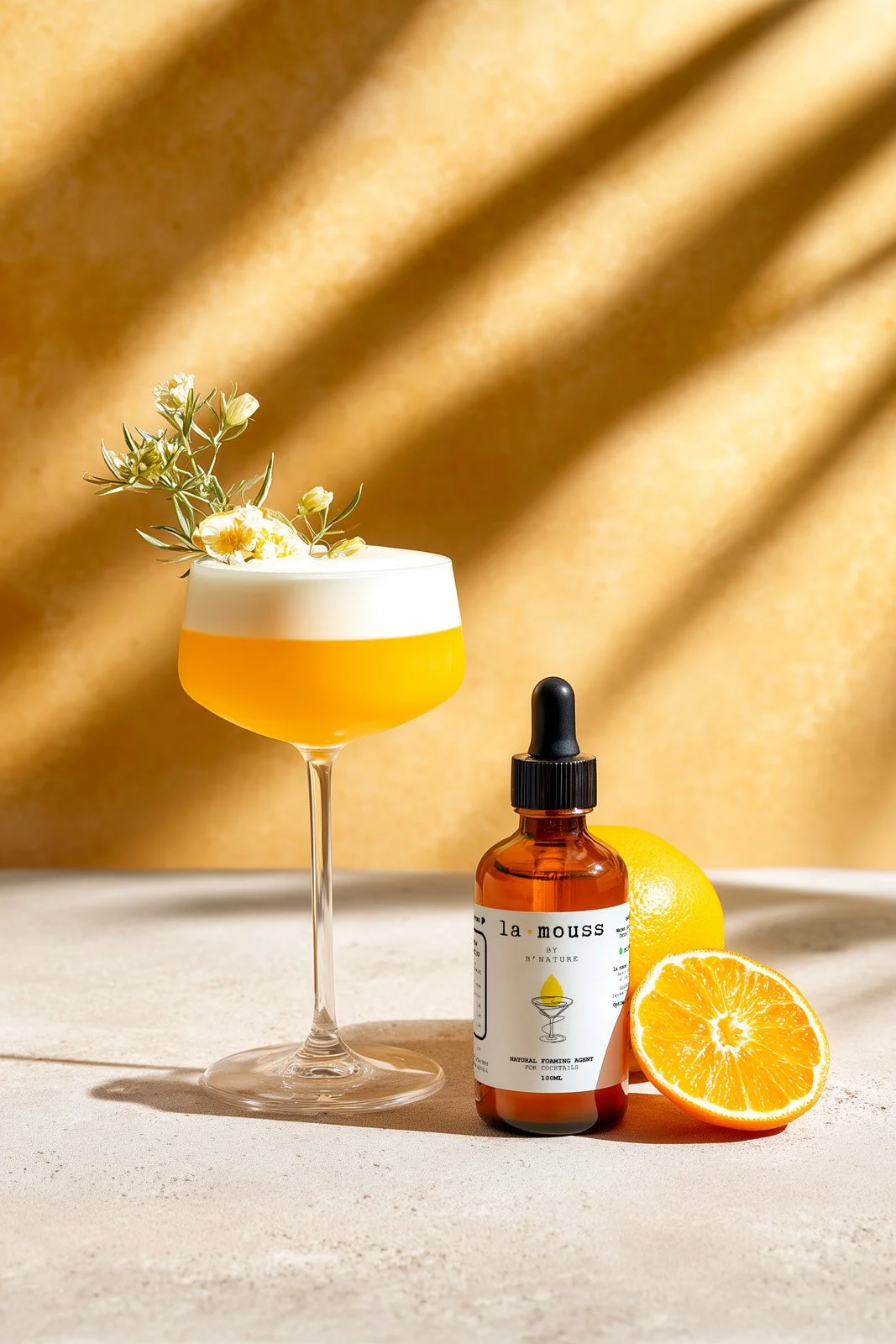
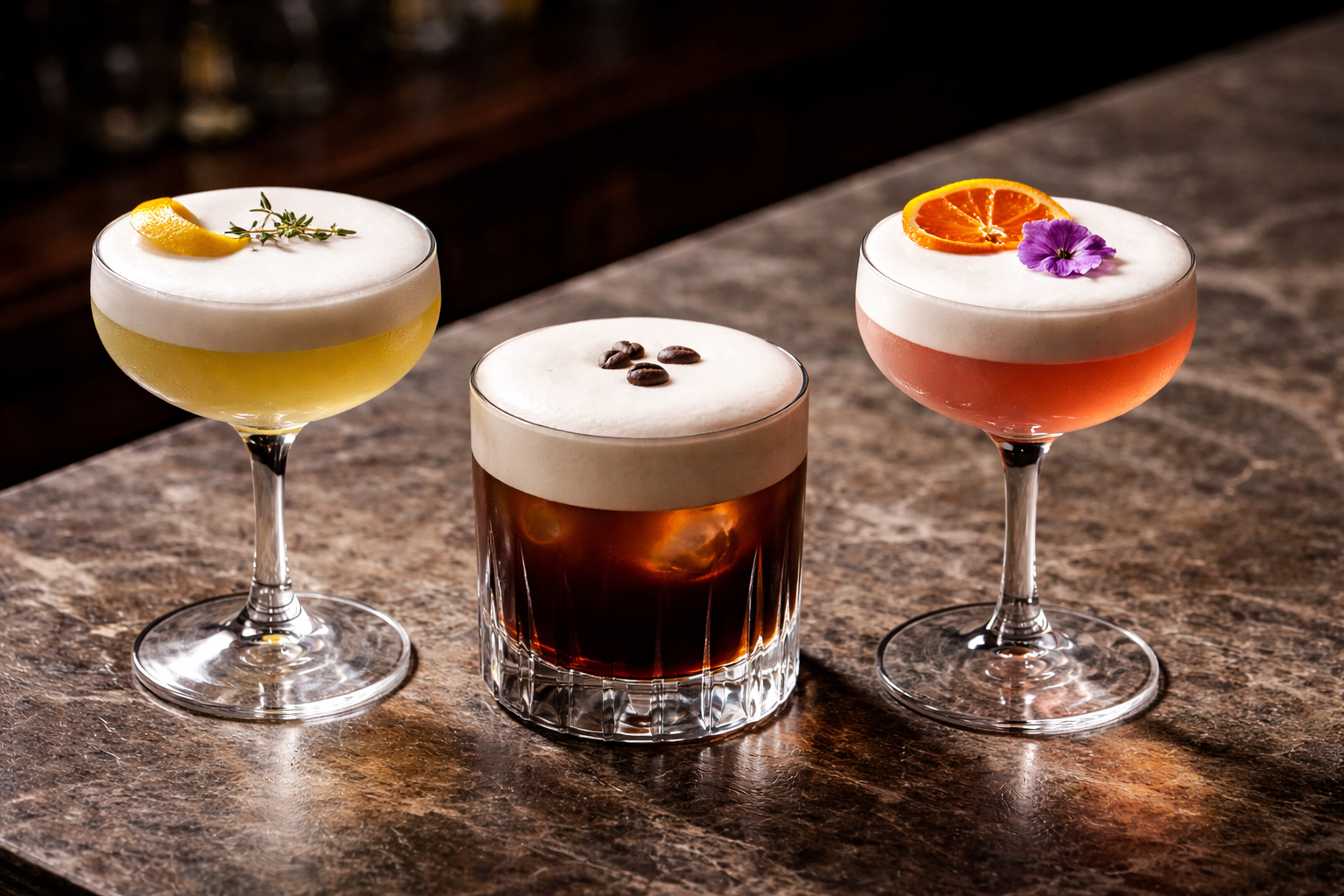
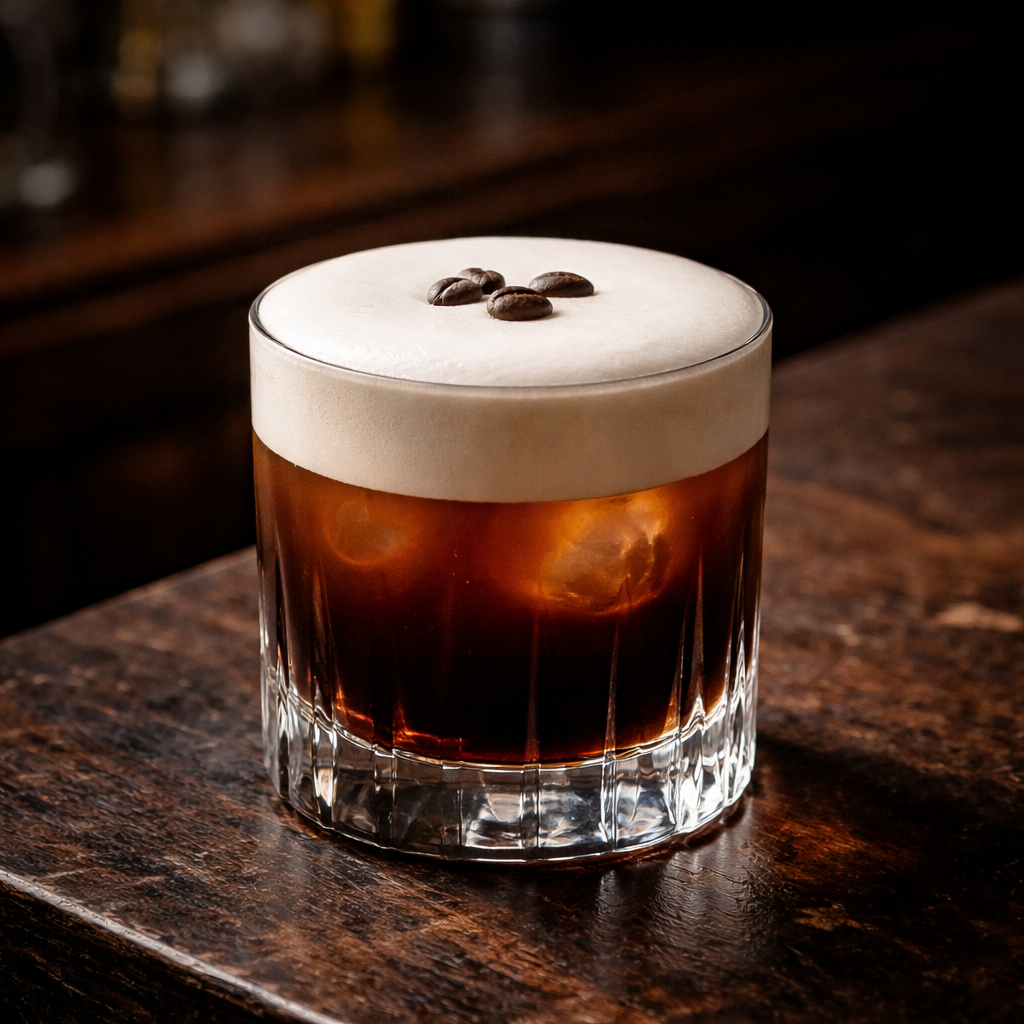
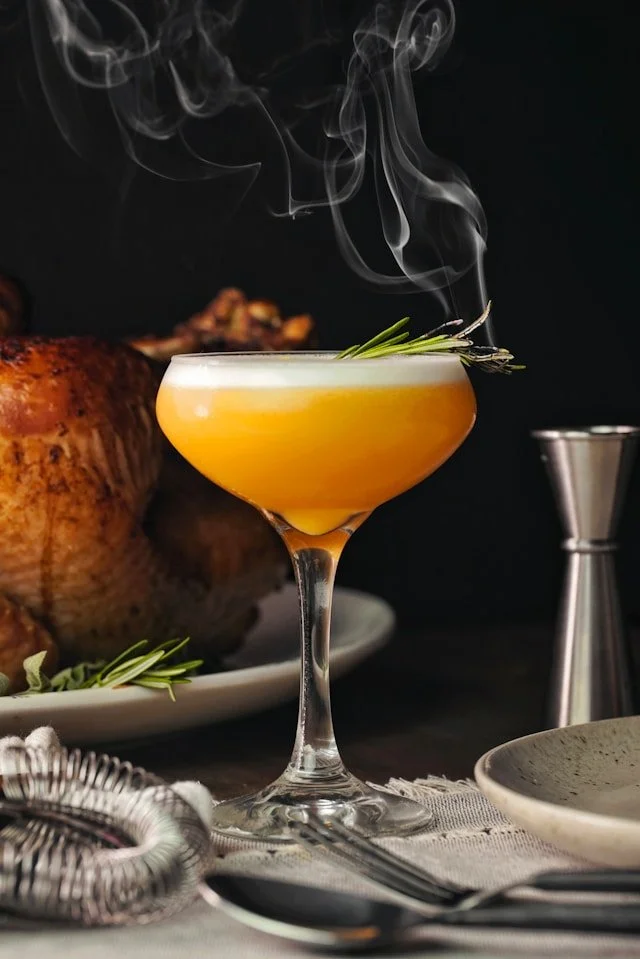
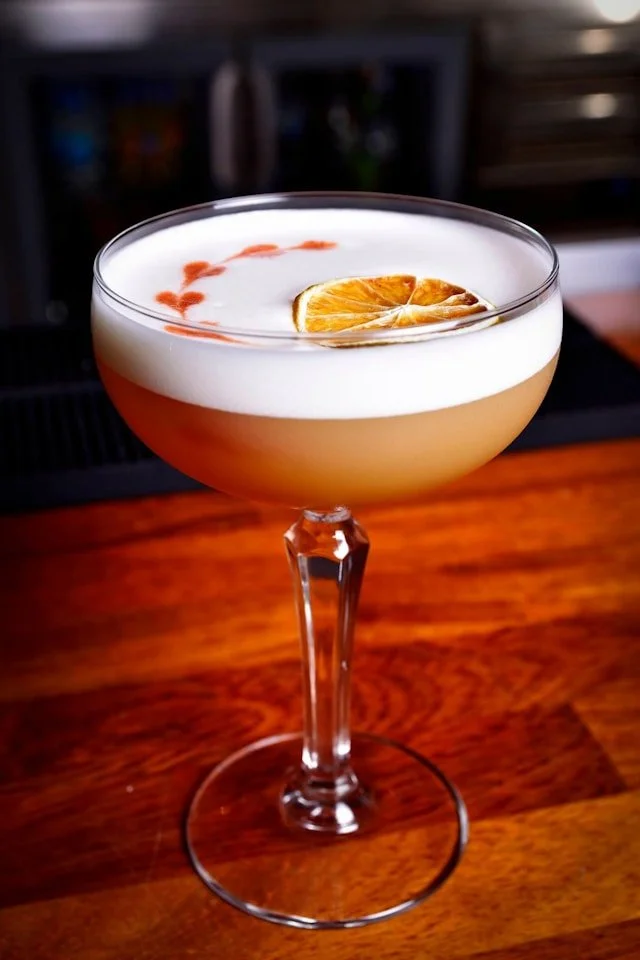
Classic sours are often discussed as if they are all the same drink in different clothing. In practice, the distance between a Whiskey Sour and a Gin Sour is wide. One leans on warmth and structure, the other on brightness and aroma. What they share is a reliance on foam to shape the first impression. When that foam interferes with flavour, both drinks suffer. This is where modern bars are increasingly turning to solutions like La Mouss.
At The Drink Journal, we look closely at how small technical choices influence flavour clarity. Foam is one of the most underestimated of those choices.
The Role Foam Plays Across Different Sours
Foam is not just visual. It affects how aroma is delivered, how citrus is perceived, and how the first sip lands on the palate. In a Whiskey Sour, foam softens the entry and frames the spirit’s richness. In a Gin Sour, it acts as a carrier for botanicals and citrus oils.
Egg whites have traditionally been used to achieve this texture, but they do not behave the same way across different base spirits. Their protein structure can mute aromatics, blur citrus definition, and add a subtle savoury note that feels out of place in lighter, more fragrant drinks.
As bars began serving a wider range of sour variations, this limitation became more apparent.
Whiskey Sour: Letting Structure Shine
The Whiskey Sour is often the benchmark for foam performance. It is forgiving, yet revealing. Too much interference, and the whiskey loses its edge. Too little structure, and the drink feels thin.
We explore this balance extensively in our Whiskey Sour cocktail archive, where technique plays a central role in the drink’s success. When La Mouss is used in place of egg whites, the foam remains stable while staying neutral. The whiskey’s character remains intact, and the citrus feels brighter rather than rounded off.
The result is a drink that tastes cleaner without losing its familiar weight.
Gin Sour: Preserving Aromatics
If the Whiskey Sour tests structure, the Gin Sour tests restraint. Gin’s appeal lies in its aromatics. Botanicals, citrus peel, and floral notes all need space to breathe.
Egg whites can crowd that space. Their subtle flavour and density tend to soften aroma, which can make a Gin Sour feel flatter than intended. La Mouss avoids this problem by providing foam without flavour. Botanicals lift cleanly from the glass, and citrus remains sharp and expressive.
For bars that take gin seriously, this difference is not subtle.
Foam as a Supporting Actor
The best foam knows its role. It supports the drink without stepping into the spotlight. When foam becomes flavour, it stops doing its job.
Consistency Across Sour Variations
Another advantage of La Mouss is consistency. Egg whites vary depending on freshness, handling, and even supplier. In contrast, La Mouss performs the same way in a Whiskey Sour as it does in a Gin Sour.
For bars serving multiple sour-style cocktails, this consistency becomes part of their identity. Guests may not articulate it, but they notice when drinks feel reliably well made.
Consistency behind the bar often starts with controlling variables. Ice is one of the most discussed examples, and we have previously examined this in our guide on using ice to control dilution in cocktails. Foam choice belongs in that same conversation.
Shelf Stability Supports Better Service
La Mouss is shelf-stable and does not require refrigeration. This simplifies prep, reduces waste, and removes a common point of failure during service. Bartenders can focus on building drinks rather than managing perishable ingredients.
A calmer workflow leads to better execution, especially during peak hours when sour cocktails are often ordered in quick succession.
Presentation Without Compromise
Clean, stable foam opens up more freedom in presentation. Glassware choice, garnish placement, and visual balance become easier to control when foam holds its shape and texture.
We often touch on this relationship between structure and presentation in our feature on choosing the right glass for any cocktail. Foam that behaves predictably makes every other decision more intentional.
Designed for Real Bar Conditions
La Mouss was developed with professional bars in mind. It integrates seamlessly into existing sour recipes and requires minimal training. Cleanup is faster, stations stay cleaner, and the risk of flavour interference is removed.
Bartenders curious about its application can explore how to use La Mouss, alongside deeper insight into why La Mouss was developed and where to find La Mouss. A broader overview is available via the La Mouss official website.
Final Pour: One Foam, Many Sours
From Whiskey Sour to Gin Sour, foam should adapt to the drink, not reshape it. When foam remains neutral, stable, and consistent, it allows each sour to express its own character.
La Mouss does not change what these drinks are meant to be. It simply removes interference. What remains is clearer flavour, smoother texture, and a workflow that respects both the drink and the bartender.
That is why we continue to see modern bars rethink foam choices, and why it remains a conversation worth following at The Drink Journal.
