What Separates a Good Coffee Liqueur From a Truly Great One
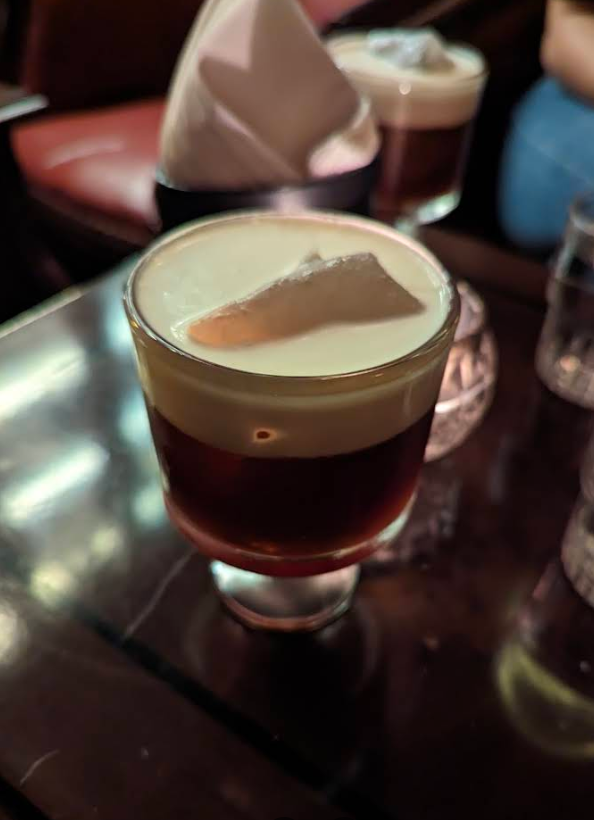
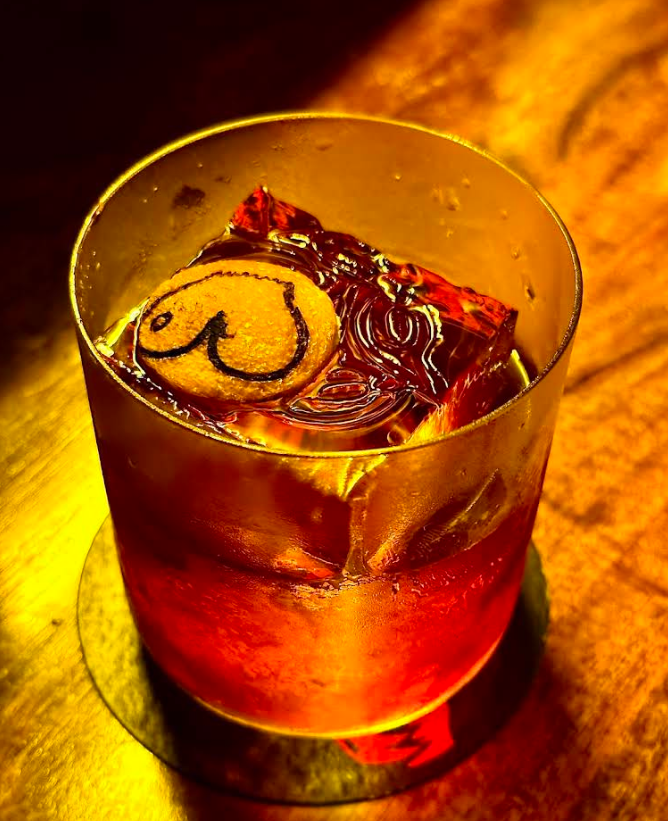
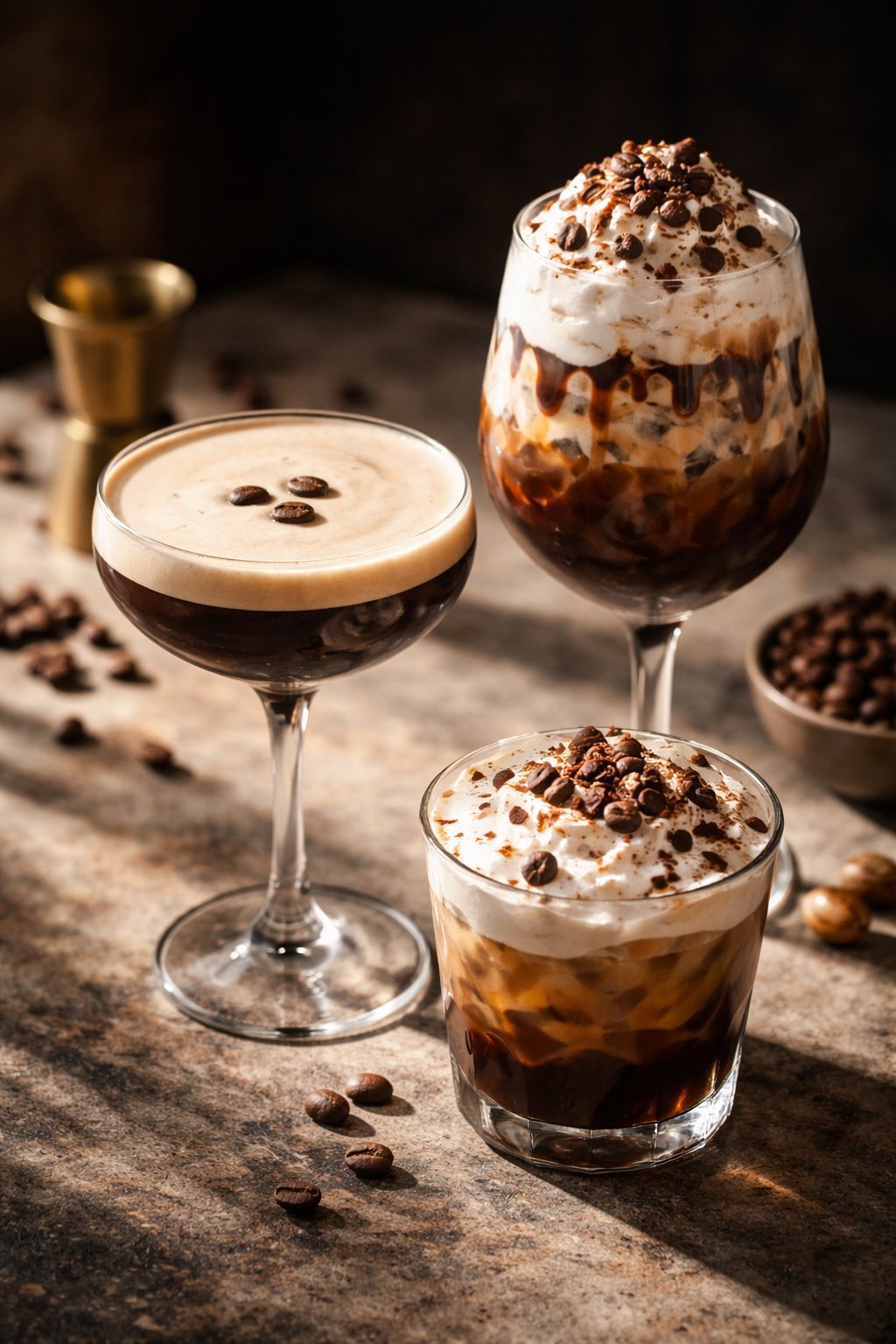
Coffee liqueur has reached a point where simply being sweet and coffee-flavoured is no longer enough. As bars refine their menus and coffee culture continues to mature, expectations around coffee liqueur have risen quietly but significantly. A good coffee liqueur can blend into a drink. A truly great one shapes the entire experience.
After tasting and observing how coffee liqueurs perform across cocktails, coffee drinks, and desserts, a few consistent differences emerge. These distinctions are not about alcohol strength or brand recognition. They are about how coffee is treated as an ingredient.
Coffee as the Foundation, Not a Flavouring
The most obvious difference between good and great coffee liqueurs is how clearly coffee presents itself. In many bottles, coffee appears as a flavour note layered on top of sugar and alcohol. This can work well in dessert-style drinks, but it limits versatility.
Great coffee liqueurs treat coffee as the foundation. From aroma to finish, coffee remains present without becoming harsh or overwhelming. This allows the liqueur to function across different formats without losing identity.
Balance Over Sweetness
Sweetness is often used to make coffee liqueur approachable, but excess sugar can quickly mask complexity. In cocktails, overly sweet liqueurs restrict pairing options. In coffee-based drinks, they flatten nuance.
The best-performing liqueurs strike balance instead. Sweetness frames the coffee rather than defining it. This balance is what allows them to integrate cleanly into both classic and modern builds.
Bars that focus on balance over impact, such as Vender Bar in Taichung, tend to gravitate toward ingredients that support structure rather than dominate it.
Texture as a Silent Differentiator
Texture is one of the most overlooked aspects of coffee liqueur, yet it plays a decisive role in drinkability. Syrupy liqueurs can feel indulgent but heavy. Thin liqueurs may disappear too quickly, especially when paired with dairy or ice.
Great coffee liqueurs offer a rounded mouthfeel that gives body without weight. This makes them more adaptable across shaken cocktails, stirred drinks, and desserts. Texture becomes especially important in modern menus where dilution is minimal and ingredients are expected to carry themselves.
You can see how texture and pacing influence drink design in venues like Featherstone Bistro in Bangkok, where drinks are built to linger rather than rush the palate.
Performance Across Formats
A good coffee liqueur may excel in one application. A great one performs consistently across many.
In cocktails, it should integrate without flattening other ingredients. In coffee-based drinks, it should reinforce rather than compete with brewed coffee. In desserts, it should enhance flavour without overwhelming sweetness or cream.
Exploring classic and modern builds through The Drink Journal’s recipe archive highlights just how differently coffee liqueurs behave once mixed.
Where Kopi-O Fits Into This Conversation
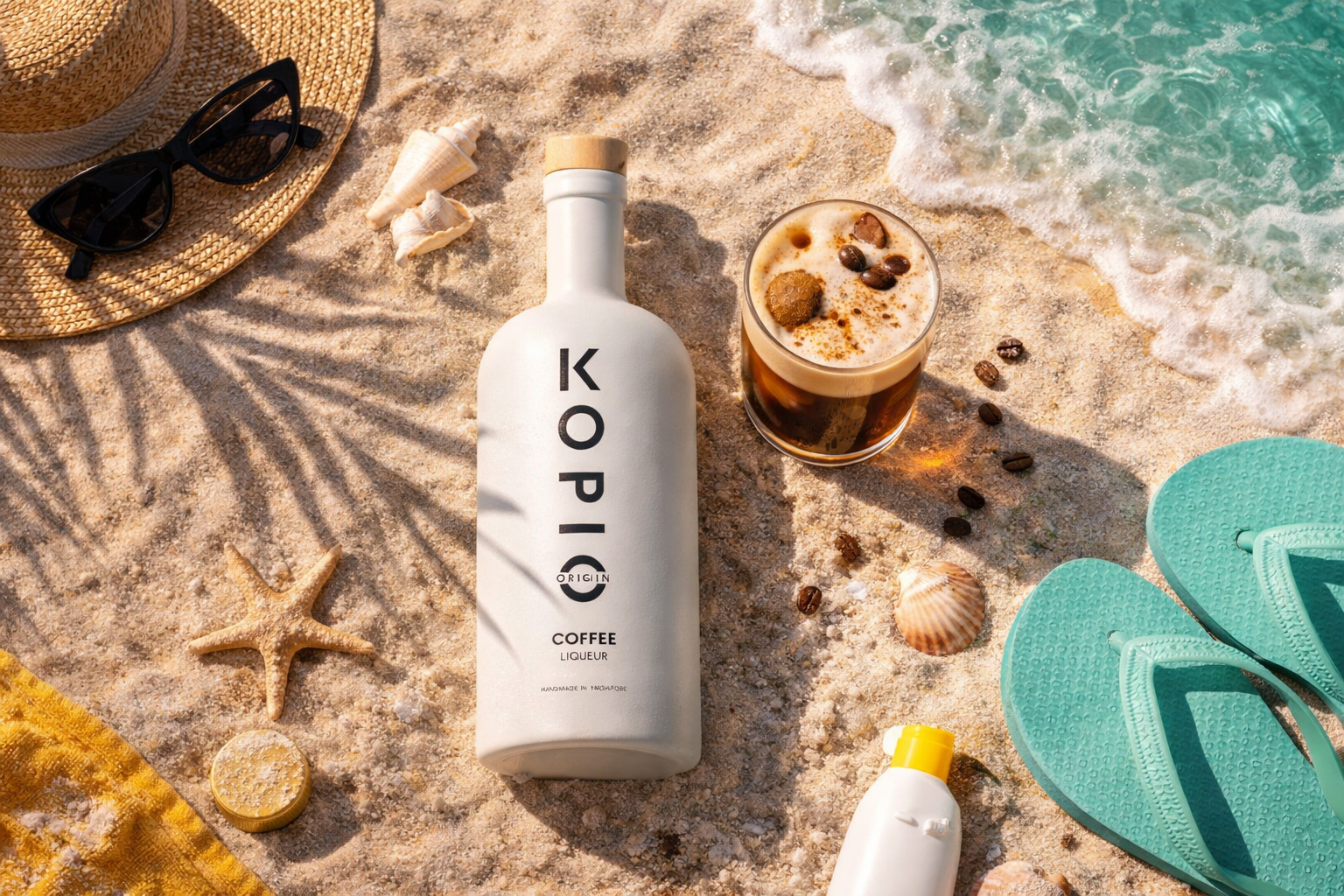
Kopi-O exemplifies many of the qualities that separate good from great. While its alcohol level is comparable to others in the category, its coffee presence is more persistent and its texture noticeably smoother. Coffee does not cut sharply through the drink. Instead, it settles and remains the mainstay from first sip to finish.
This makes Kopi-O particularly effective across cocktails, coffee drinks, and desserts. Bartenders can rely on it without constantly adjusting ratios or compensating for sweetness or bitterness.
Kopi-O’s approach aligns well with how modern bars think about ingredients. It prioritises clarity, balance, and adaptability over novelty.
You can explore Kopi-O directly via Origin Crafted’s Kopi-O page, learn more about the thinking behind its creation at Studio Origin, or view availability for bars and partners through Origin Crafted Trade & Retail.
Why Standards Are Rising
As drinkers become more familiar with coffee itself, expectations around coffee liqueur naturally rise. The category is no longer judged solely on sweetness or strength, but on how respectfully and thoughtfully coffee is handled.
At The Drink Journal, we continue to examine how ingredients evolve alongside drinking culture. As coffee liqueur becomes a more integral part of modern menus, the difference between good and truly great becomes clearer with every pour.