How to Brew Tea That Tastes Balanced Instead of Bitter
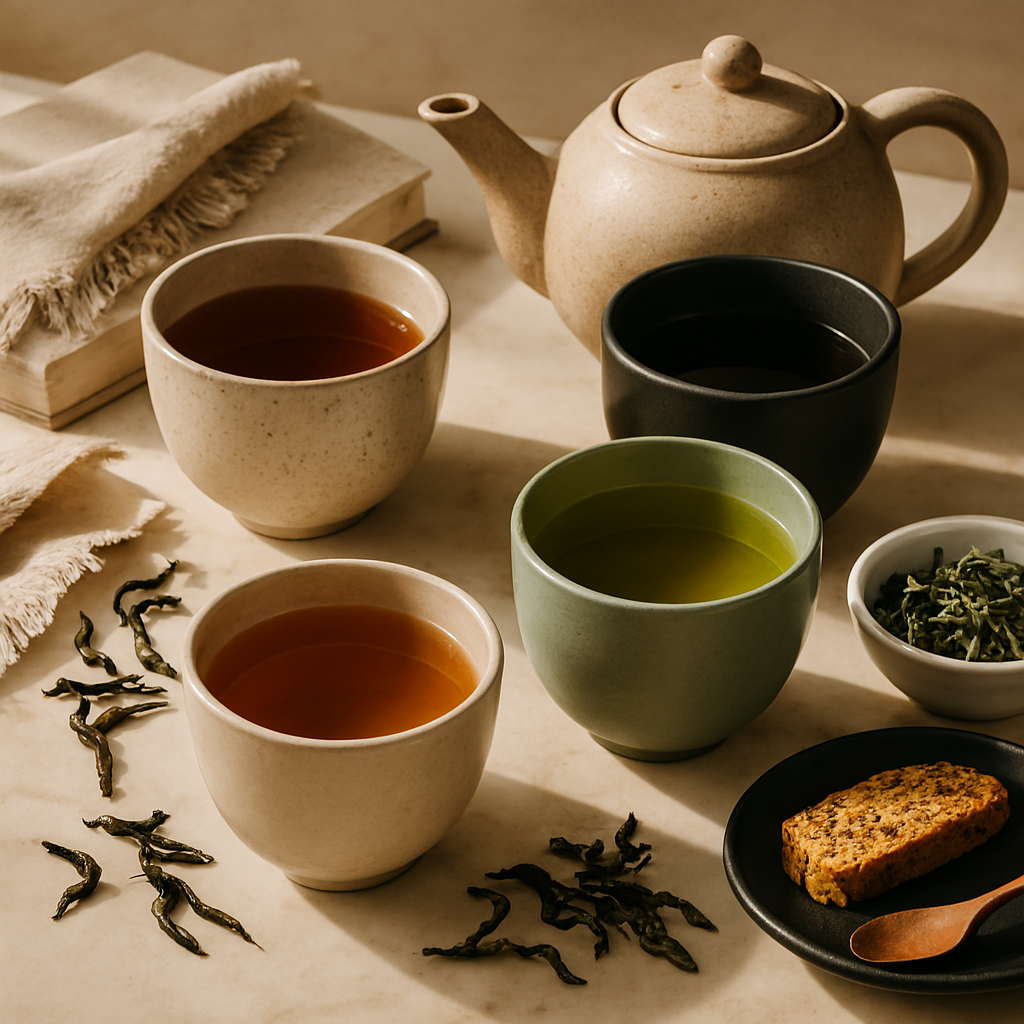
Bitter tea is rarely a leaf problem. It is almost always a handling problem.
Most bitterness comes from small missteps that compound quietly: water that is too hot, leaves left too long, or a brewing rhythm that treats every tea the same. Balance in tea is not about removing bitterness entirely. It is about keeping it in proportion so sweetness, aroma, and texture have space to show up.
This guide focuses on brewing tea that feels composed and complete, using simple corrections rather than new tools. When tea is handled with care, bitterness becomes structure, not punishment.
Start by Naming the Bitterness
Before fixing anything, pause and describe what you are tasting.
Bitter tea usually shows up in one of three ways. The first is sharp bitterness that hits immediately and dominates the sip. The second is drying bitterness that lingers unpleasantly on the tongue. The third is flat bitterness that dulls aroma and sweetness at the same time.
Each points to a different adjustment. If you lump them together, you will overcorrect. Balanced tea comes from listening before reacting.
If you want a framework for understanding how bitterness fits into different tea styles, The Modern Tea Lover’s Guide: Floral, Fruity, Smoky and Fermented Teas Explained helps contextualise bitterness as a flavour component rather than a flaw.
Water Temperature Is the Quiet Deal-Breaker
Temperature is the fastest way to ruin good tea.
Water that is too hot pulls out harsh compounds before sweetness and aroma have time to emerge. This is especially true for green and lightly oxidised teas, which are often brewed like black tea out of habit.
If your tea tastes bitter despite good leaves, temperature is the first thing to correct. How to Adjust Water Temperature for Different Teas breaks down how different styles respond to heat and why small changes make such a big difference.
When bitterness disappears the moment you lower temperature, you have found the root cause.
Brewing Time Matters More Than Leaf Quantity
Most people try to fix bitter tea by using less leaf.
Often, the better fix is less time.
Oversteeping extracts tannins aggressively, especially once the leaves have fully opened. A shorter brew with the same amount of leaf usually produces more aroma, better texture, and less bitterness than a longer brew with fewer leaves.
This is why teas designed for multiple short infusions feel so forgiving. Leaves like Tie Guan Yin (Iron Goddess of Mercy) reward brief, repeated brews that build balance gradually rather than overwhelming the cup all at once.
If bitterness creeps in late, stop earlier next time instead of changing everything else.
Match Technique to Tea Style
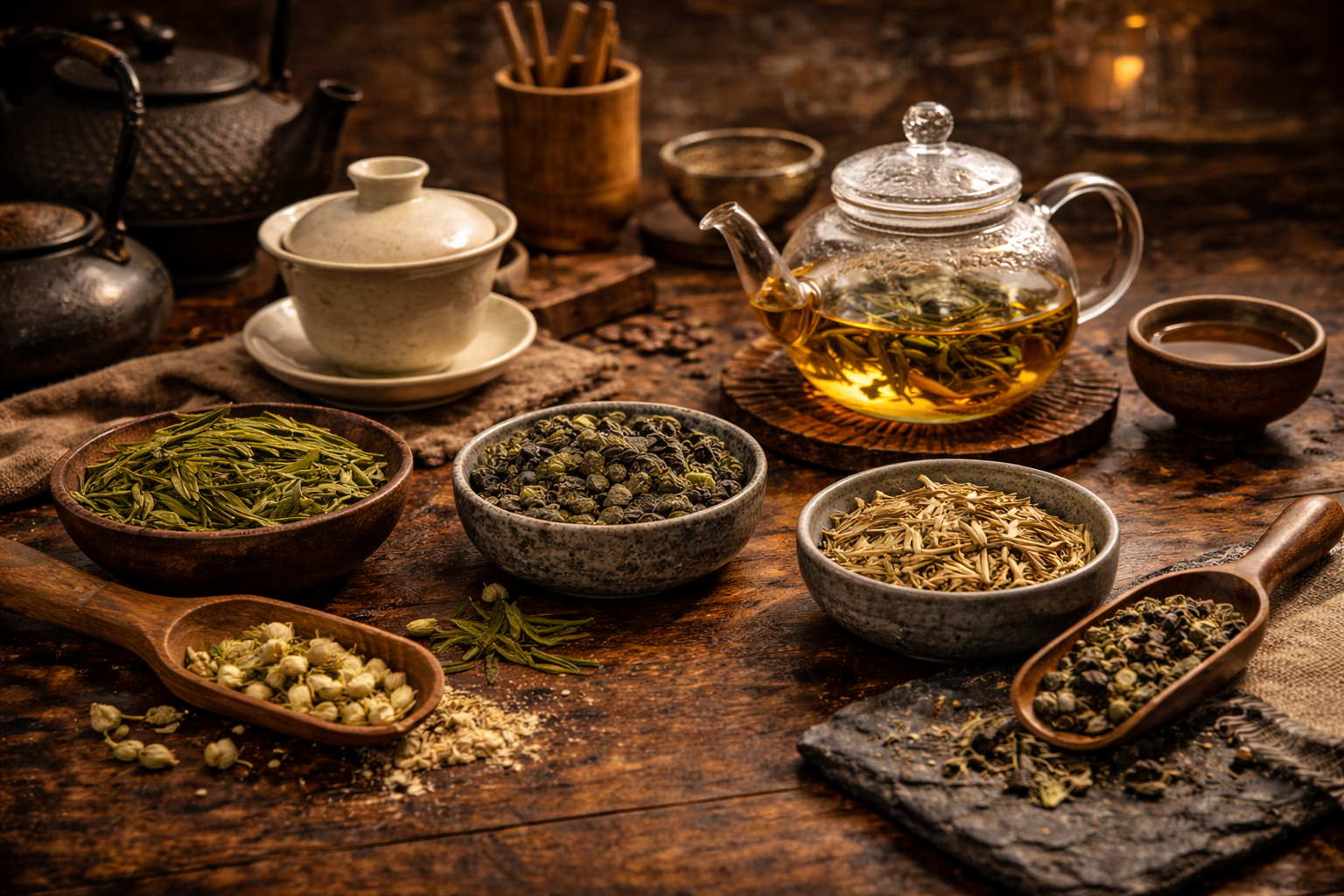
Not all teas want the same treatment.
Green teas tend to punish impatience. Black teas are more tolerant but still lose elegance when rushed. Herbal infusions behave differently again, often becoming bitter only when boiled too hard for too long.
A tea like Sencha thrives on restraint. Cooler water and shorter infusions reveal sweetness and umami that disappear under aggressive brewing.
By contrast, Assam can handle more heat but still turns coarse if left unattended. Balance comes from respecting what the leaf is built to give.
If one tea keeps disappointing you, it is often because you are brewing it like a different tea entirely.
Rethink “Strong” Versus “Balanced”
Many people associate bitterness with strength.
In tea, strength does not mean harshness. It means presence. A balanced cup can be full and expressive without scraping your palate.
Herbal teas are a good reminder of this. Chamomile, for example, becomes bitter when pushed too hard, yet feels rich and calming when brewed gently. Strength comes from proportion, not force.
When you chase balance instead of intensity, bitterness often resolves itself.
Build Small Habits That Prevent Bitterness Altogether
The easiest way to avoid bitter tea is not to fix it later, but to prevent it early.
Simple habits make a huge difference: preheating vessels so temperature stays stable, decanting fully so leaves stop extracting, and timing infusions instead of guessing.
If you want a collection of these quiet, high-impact adjustments, 10 Tea Practices That Quietly Transform How Tea Tastes (and Why Most People Miss Them) complements this guide perfectly. These are not rituals for show. They are habits that protect balance.
A Simple “Balanced Tea” Reset
If your tea keeps turning bitter, try this once:
Lower your water temperature slightly.
Shorten your brew by 20 to 30 seconds.
Use the same amount of leaf.
Taste again.
Balanced tea usually appears the moment bitterness stops leading the conversation.
Tea does not need to be controlled aggressively. It needs to be listened to.