How to Brew Tea for Different Times of the Day
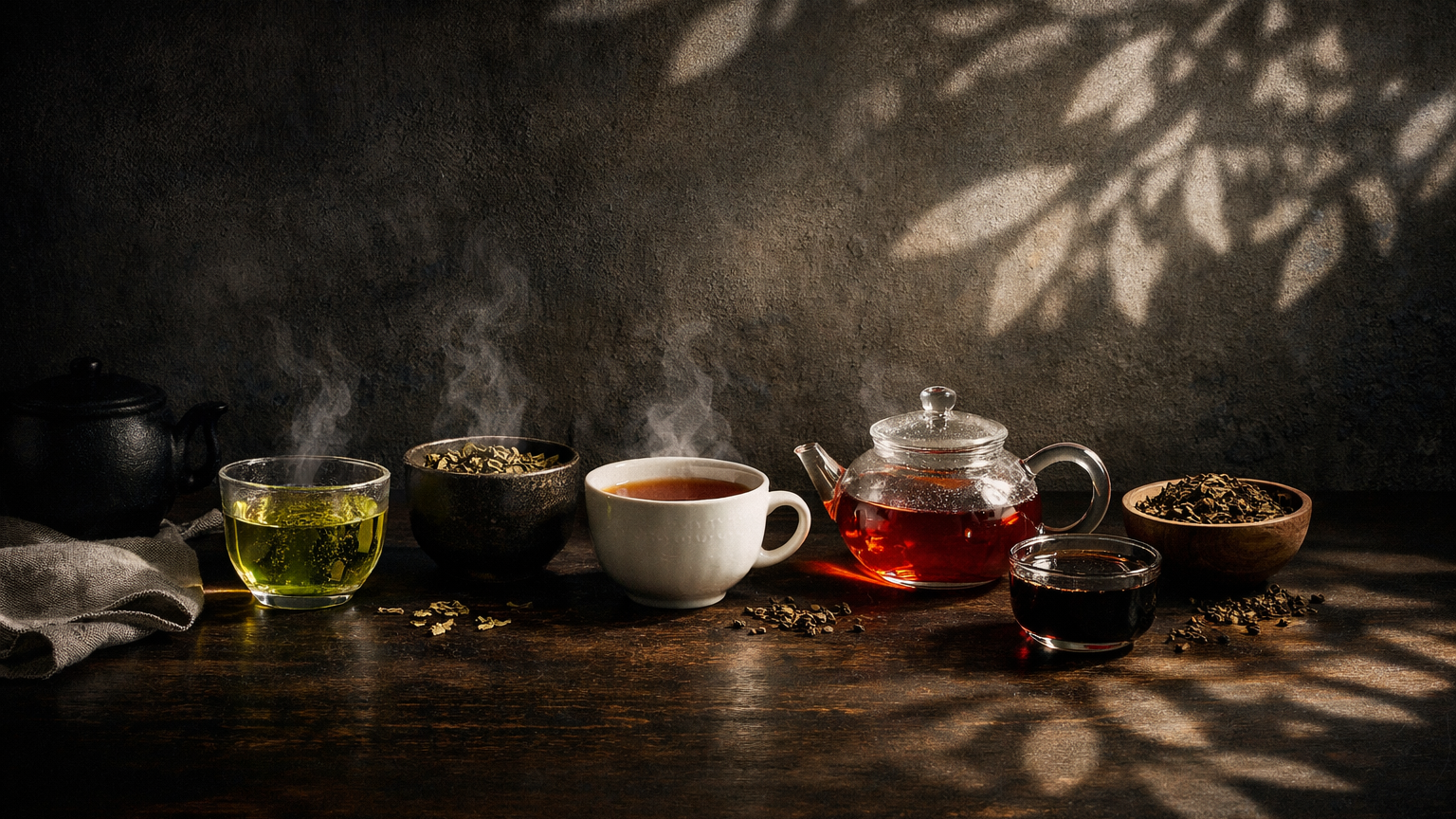
Tea is not a single drink. It is a rhythm.
The same leaf that feels perfect in the morning can feel overwhelming at night. A brew that sharpens focus at midday might feel flat or restless in the evening. Brewing tea well is not only about temperature and timing — it is about when you drink it.
This guide looks at how to brew tea in a way that suits the natural flow of the day, so each cup supports your energy, focus, and calm rather than working against it.
Morning Tea: Gentle Lift Without Shock
Morning tea should wake you up without rushing you.
This is not the time for aggressive bitterness or heavy tannins. Teas that offer clarity, light sweetness, and a clean finish tend to work best early in the day.
Green teas and lightly oxidised oolongs are ideal here. A tea like Sencha brings freshness and structure when brewed gently, especially with slightly cooler water and shorter infusions. The goal is alertness without edge.
If you want to understand why some teas feel brighter and more energising than others, The Art of Asian Tea: 12 Traditional Tea Styles Every Drinker Should Know offers helpful cultural and stylistic context.
In the morning, restraint creates clarity.
Late Morning to Early Afternoon: Focus and Balance
As the day settles in, tea can become more structured.
This is a good window for teas with a little more body and complexity, but still balanced enough to avoid heaviness. Oolongs and softer black teas often shine here.
A refined choice like Oriental Beauty (Bai Hao Oolong) delivers sweetness, aroma, and depth without tipping into bitterness when brewed with care. Keep water temperature moderate and avoid long steeps so the cup stays expressive rather than dense.
If your tea tastes harsh during this part of the day, it is often a timing issue rather than a leaf issue. How to Adjust Water Temperature for Different Teas is especially useful here, because midday bitterness usually comes from water that is simply too hot.
Mid-Afternoon: Comfort Without Fatigue
Mid-afternoon tea should support you, not push you.
This is where many people overcorrect, reaching for stronger tea when what they actually need is warmth and steadiness. Teas with rounded flavour and low sharpness work best.
A smooth black tea like Assam can be brewed slightly lighter at this time, using shorter infusions to keep the cup comforting rather than heavy. The result is presence without post-tea sluggishness.
This is also a good time to pay attention to brewing habits. Small changes in timing and leaf handling have an outsized effect here. 10 Tea Practices That Quietly Transform How Tea Tastes (and Why Most People Miss Them) offers practical ways to keep afternoon tea balanced and enjoyable.
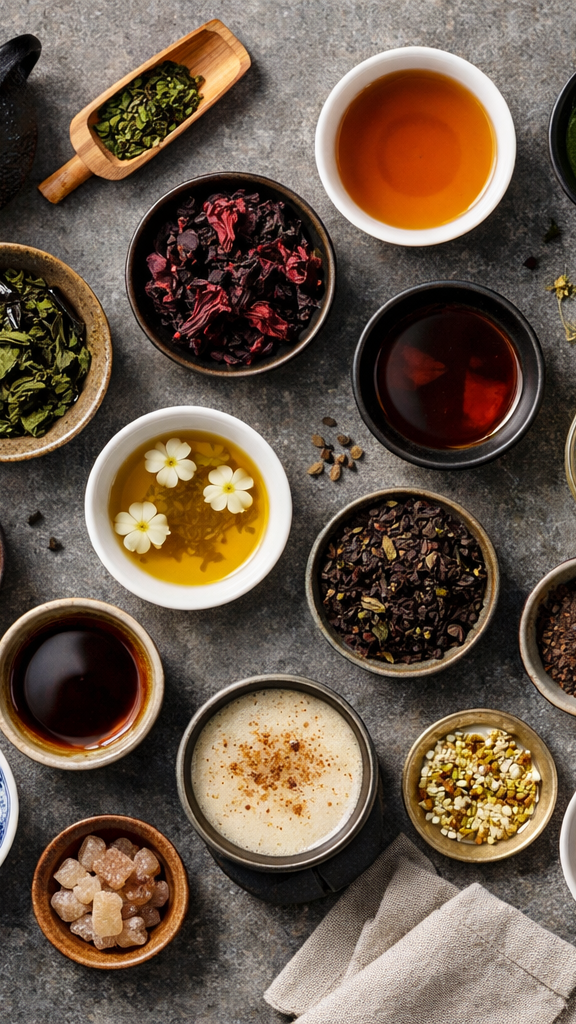
Evening Tea: Calm, Soft, and Unhurried
Evening tea is about unwinding.
This is not the moment for stimulation or complexity. Herbal and naturally caffeine-free teas allow you to keep the ritual without disrupting rest.
A gentle infusion like Chamomile is ideal when brewed softly, with warm but not boiling water and a relaxed steep. The goal is comfort, not intensity.
Bitterness in the evening is especially unwelcome. If your night-time tea feels sharp or drying, shorten the brew and lower the temperature. Calm tea should feel like a settling breath.
Let Time of Day Guide Technique, Not Just Tea Choice
One of the most overlooked aspects of tea brewing is that technique should change with the hour, not just the leaf.
Morning brews benefit from lighter extraction. Afternoon brews reward balance and control. Evening brews respond best to gentleness and patience.
If you want a broader framework for aligning tea with intention, 20 Tea Rituals and Skills Every Thoughtful Tea Drinker Should Experience places time, attention, and rhythm at the centre of good tea.
Tea is not static. It moves with you.
A Simple Daily Tea Rhythm
If you want a practical reset, try this:
Morning: lighter tea, cooler water, shorter steep.
Afternoon: balanced tea, controlled heat, attentive timing.
Evening: gentle tea, warm water, unhurried infusion.
When tea matches the moment, it tastes better without trying harder.