Coffee Classics: Espresso Romano (Italy)
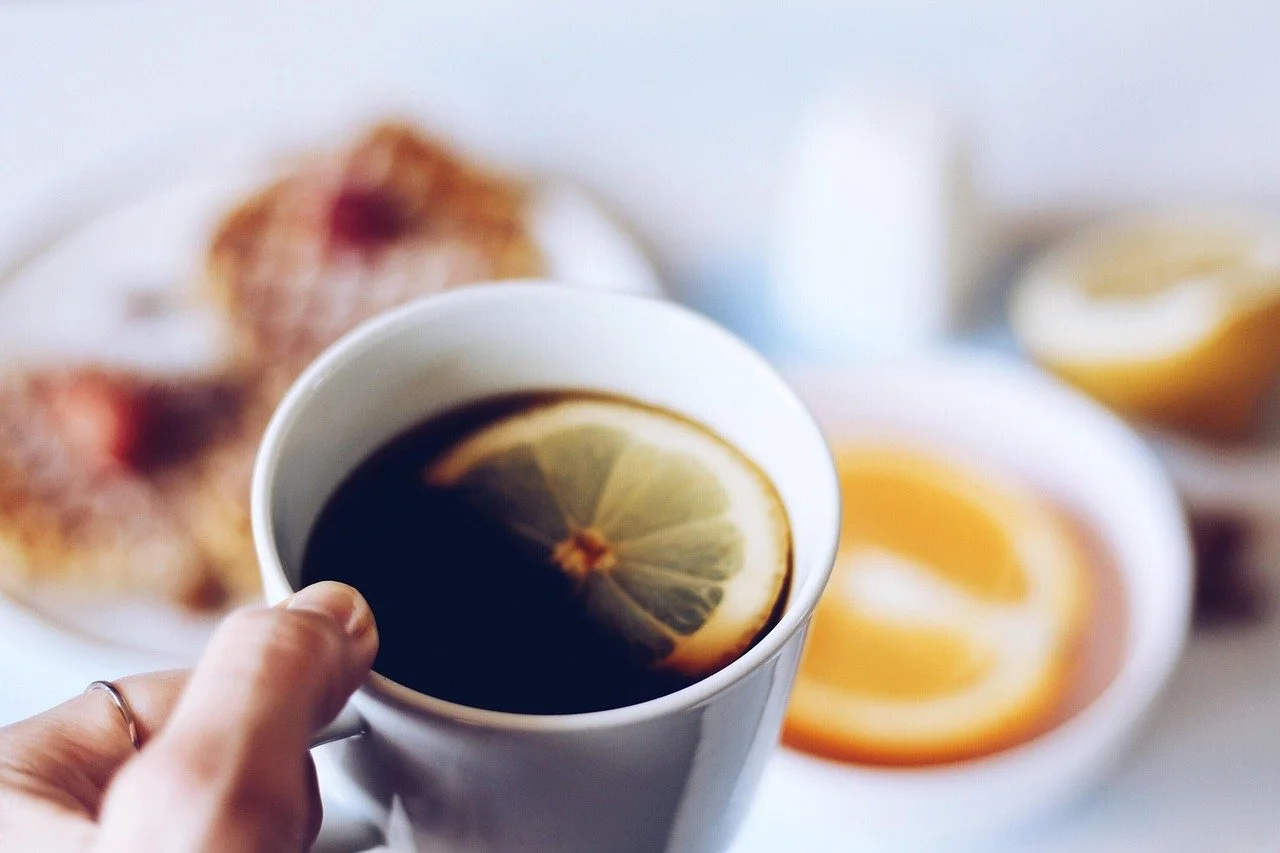
Espresso Romano is one of Italy’s most intriguing and misunderstood preparations. At first glance, it appears simple: a shot of espresso served with a thin slice of lemon. Yet this pairing transforms the experience in subtle ways. The lemon brightens the espresso’s aroma, sharpens the edges of its bitterness, and adds a fleeting citrus lift that lingers on the palate. In cafés across Italy, it is served quietly, without ceremony, a small gesture that elevates the cup without rewriting its identity.
The drink reflects the Italian instinct for refinement through restraint. Nothing is added to the espresso itself. The lemon is a companion rather than an ingredient. Some swirl the peel along the rim of the cup to release aromatic oils. Others hold the lemon to the sip but never let it fall in. Each approach creates its own balance. This emphasis on sensory nuance mirrors the thoughtful brewing approaches described in The Perfect Espresso, a guide that captures the fine line between sharpness and clarity in Italian espresso culture.
The essence of Espresso Romano lies in its contrast. The espresso is bold and concentrated. The lemon is fresh and clean. Together, they create a cup that feels sharper, more alert, and more aromatic. It is the kind of drink you might settle into quietly at a bar counter, where stainless steel surfaces reflect soft morning light and the crema settles into a rich tawny layer. For coffee lovers drawn to bold flavours with bright edges, this drink offers a refreshing shift from the heavier, milk-based classics found elsewhere.
In a global landscape where espresso has taken countless forms, Espresso Romano stands out for its simplicity. No syrups. No milk. No layering. Just a pairing that reshapes the experience with one clean stroke. For those curious about how coffee culture evolves across continents, guides like 20 Must-Try Classic Coffee Beverages From Around the World place this Italian tradition alongside others that began with equally small gestures.
Bright citrus.
Dark crema.
A single sip that wakes the senses.
Ingredients
For one serving:
1 shot freshly pulled espresso (25 to 30 ml)
1 thin slice of lemon or small strip of lemon peel
Optional:
A tiny pinch of sugar
A few drops of lemon oil if peel is unavailable
Equipment Needed
Essential
Espresso machine
Produces the pressure and temperature needed for proper crema and flavour concentration.Espresso cup (demitasse)
Retains heat and frames the aroma.
Optional Enhancements
Sharp paring knife
For creating a slim strip of lemon peel without bitter pith.Small citrus zester
Adds fine aromatic oils to the cup rim.Scale and timer
Ensures consistency when dialing in espresso shots.
Method
1. Prepare the Lemon
Cut a thin slice of lemon or peel a narrow strip, avoiding thick white pith.
The aromatic oils are concentrated in the outer rind.
2. Pull the Espresso Shot
Grind fresh coffee to a fine espresso texture.
Aim for a 25 to 30 ml extraction over 25 to 30 seconds.
A smooth, tawny crema indicates a well-balanced shot.
3. Apply the Lemon
Rub the lemon peel gently along the rim of the cup to release aromatic oils.
This step enhances the espresso’s brightness without altering its flavour directly.
4. Serve with Lemon on the Side
Place the lemon slice or peel beside the cup, not inside it.
Guests may choose whether to lightly press the lemon before sipping or simply enjoy the aroma.
5. Optional Adjustments
A pinch of sugar can be added for balance, though many prefer the drink without sweetness.
Avoid letting lemon juice fall directly into the espresso unless a sharper citrus note is desired.
Notes
The lemon enhances aroma more than flavour, lifting the espresso’s natural acidity.
Using a high-quality, fresh lemon makes a significant difference in the aromatic profile.
For insights into how brewing equipment affects flavour, explore How to Choose the Right Brewing Method.
For broader context on the role of espresso in Italian culture, revisit The Perfect Espresso.
Espresso Romano works best with medium to dark roasts with clear citrus or floral top notes.