Cocktail Archive: Cuba Libre (Cuba)
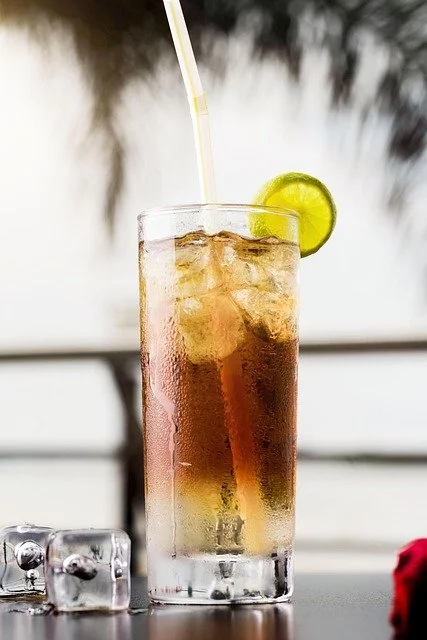
The Cuba Libre is simple, direct, and quietly symbolic. Served tall and cold, it opens with familiar sweetness before lime cuts through and rum anchors the finish. It is not a drink that asks for attention. Instead, it settles naturally into the hand, easy to return to and easy to understand.
There is a sense of movement to the Cuba Libre. It feels social, unfussy, and open-ended. When made well, it is balanced rather than sweet, steady rather than dull. Its strength lies in how little it tries to be anything else.
Origin & Cultural Context
The Cuba Libre emerged in Cuba around the turn of the 20th century, its name translating to “Free Cuba.” Built from rum, cola, and lime, it reflected both availability and sentiment, becoming associated with celebration and everyday independence rather than formal drinking.
Unlike cocktails shaped in hotel bars or literary salons, the Cuba Libre grew out of ordinary moments. In that sense, it shares more with enduring social drinks than with composed classics. Its role in drinking culture is closer to that of the Americano than the Manhattan. Both are designed for conversation and repetition rather than contemplation.
What Defines the Cuba Libre
The Cuba Libre is defined by balance through familiarity. Cola provides sweetness and lift, lime brings clarity, and rum gives the drink its backbone. Compared to the sharp precision of the Daiquiri, the Cuba Libre is softer and more relaxed, built to be sipped without focus.
It also occupies a different space from spirit-forward drinks like the Old Fashioned. Where those drinks slow the evening, the Cuba Libre keeps it moving.
Ingredients
White or lightly aged rum
Cola
Fresh lime juice
Equipment Needed
Highball glass
Bar spoon
Method
Fill a highball glass with ice
Add rum and fresh lime juice
Top with cola
Stir gently to combine and serve
Notes & Variations
Fresh lime is essential. Without it, the drink becomes a rum and cola rather than a Cuba Libre. The lime should brighten, not dominate. Rum choice shapes character more than strength, with lighter styles keeping the drink open and easy.
Because of its simplicity, proportion matters. Too much cola flattens the drink, while too much lime pulls it out of balance. The Cuba Libre works best when nothing tries to lead.
Presentation should remain minimal. The art of garnishing explains why excess decoration distracts from drinks built on familiarity and ease.
When to Drink It
The Cuba Libre suits warm evenings, casual gatherings, and moments where the drink should support the setting rather than define it. It works as a session drink, something to return to without thought.
Understanding pacing improves the experience. The ultimate guide to bar etiquette explores why drinks like the Cuba Libre benefit from rhythm, timing, and relaxed service. When food is involved, its sweetness and acidity make it flexible, a balance explored further in how to pair cocktails with food.
The Cuba Libre endures because it stays honest. Familiar, balanced, and quietly social, it delivers refreshment without pretense and meaning without effort.