How to Tell If a Café Is Actually Good Before Sitting Down

Some cafés reveal themselves before you ever touch the door handle. Others photograph beautifully but feel hollow once you sit down. Learning to tell the difference is not about chasing trends or judging appearances. It is about noticing quiet, repeatable signals that consistently appear in genuinely good cafés around the world.
This guide is built on observation rather than expertise. You do not need to understand extraction theory or roast curves. You simply need to slow down and pay attention to what is already happening in front of you, the same way we approach cafés and drinking culture across The Drink Journal.
Start With the Energy Outside
Before you look at the menu or signage, pause outside for a moment.
Notice the rhythm around the café. Are people lingering comfortably or hovering impatiently? Does the space feel calm or frantic? Strong cafés tend to create a steady orbit around themselves. Even when busy, the energy feels composed rather than chaotic.
This is something you can sense immediately outside places like Hopetoun Tea Rooms in Melbourne, where crowds gather but the atmosphere remains controlled and intentional.
(Linked venue: https://www.thedrinkjournal.com/journal/hopetoun-tea-rooms-melbourne)
Look Through the Window, Not at the Branding
Branding tells you very little about what actually happens inside a café.
Instead, look through the window. Watch the bar. Observe how the baristas move. Are their actions deliberate or rushed? Do they clean naturally between tasks? Are cups handled carefully?
At cafés like Onest in Milan, movement behind the bar feels restrained and purposeful, not performative. That quiet confidence usually reflects a deeper respect for the coffee itself.
(Linked venue: https://www.thedrinkjournal.com/journal/onest-milans-neighbourhood-nest-for-coffee-purists-slow-mornings-amp-honest-food)
Read the Menu for Restraint
A long menu is rarely a sign of quality.
Good cafés often offer fewer drinks, executed well. A focused espresso list, a house batch brew, and perhaps one seasonal option usually signal clarity rather than limitation.
If you want to understand how cafés communicate quality through what they choose to offer, our guide on how to read a coffee menu like a local anywhere in the world explains how restraint often reveals confidence.
(Linked guide: https://www.thedrinkjournal.com/journal/how-to-read-a-coffee-menu-like-a-local-anywhere-in-the-world)
Listen to the Sound of the Room
Sound is one of the most overlooked indicators of a good café.
Notice the volume. Music should support the space, not dominate it. Espresso machines should sound controlled rather than aggressive. Conversations should happen without raised voices.
Cafés that manage sound well usually understand hospitality beyond just selling drinks. The experience feels settled, not overstimulated.
Watch How Orders Are Taken
You do not need to interact with staff to learn from them. Just observe one or two orders being taken.
Are questions answered patiently? Does the barista guide choices rather than rush them? Is there confidence without performance? These small moments often reflect how seriously a café takes its craft.
This relationship between service and quality is explored further in a beginner’s guide to understanding specialty coffee from beans to brewing, where technique and hospitality are treated as inseparable.
(Linked guide: https://www.thedrinkjournal.com/journal/a-beginners-guide-to-understanding-specialty-coffee-from-beans-to-brewing)
Notice What People Are Actually Drinking
Instead of focusing on décor or latte art, look at what is on the tables.
Do you see people confidently drinking black coffee? Is there variety rather than a single oversized sweet drink everywhere? Are people lingering with empty cups?
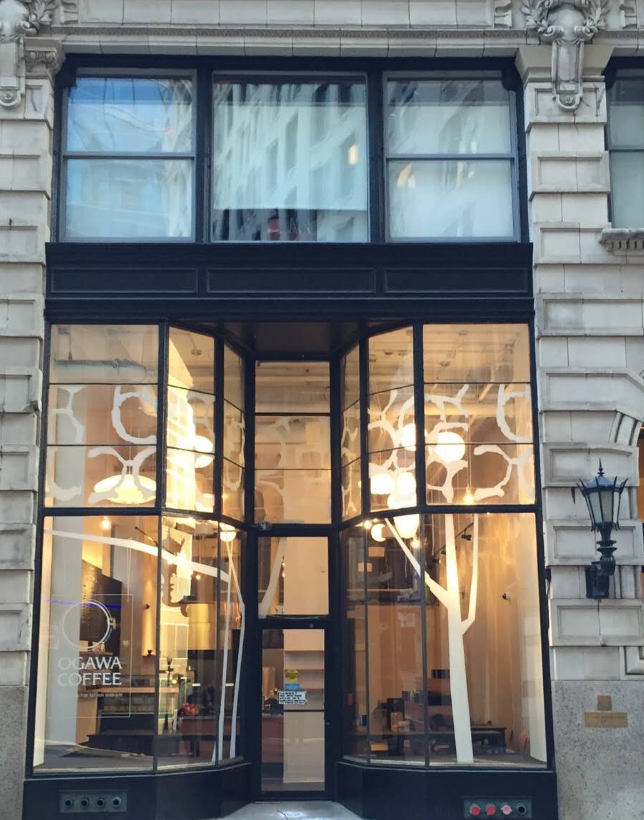
At places like Ogawa Coffee in Kyoto, simplicity encourages trust. When customers are comfortable ordering plainly, it usually means the café has earned that confidence.
(Linked venue: https://www.thedrinkjournal.com/journal/ogawa-coffee-kyoto-craft-in-the-heart-of-boston)
Trust the First Thirty Seconds Inside
The moment you step inside, your body registers more than your mind.
Is the space intuitive? Do you know where to stand, order, and sit without being told? Are you acknowledged without being rushed?
Great cafés are legible spaces. You understand how to exist in them almost immediately. This sense of ease is something we explore more deeply in 20 coffee rituals, habits and moments every coffee lover should experience at least once.
(Linked guide: https://www.thedrinkjournal.com/journal/20-coffee-rituals-habits-amp-moments-every-coffee-lover-should-experience-at-least-once)
When in Doubt, Order Simply
If you decide to sit down and still feel uncertain, order something simple.
A black coffee, a flat white, or a house brew leaves no place to hide. Simplicity exposes balance, texture, and care more clearly than any complicated signature drink.
If you want a broader reference point for these staples, 20 must try classic coffee beverages from around the world provides useful context.
(Linked guide: https://www.thedrinkjournal.com/journal/20-must-try-classic-coffee-beverages-from-around-the-world)
The Quiet Truth
Great cafés rarely announce themselves loudly. They show their quality through calm movement, thoughtful space, and drinks that do not need explanation.
Once you learn to read these signs, choosing where to sit becomes less about reviews and more about trust. That trust is what turns a quick stop into a place you return to.