A Comparative Look at Coffee Liqueurs Used in Modern Bars
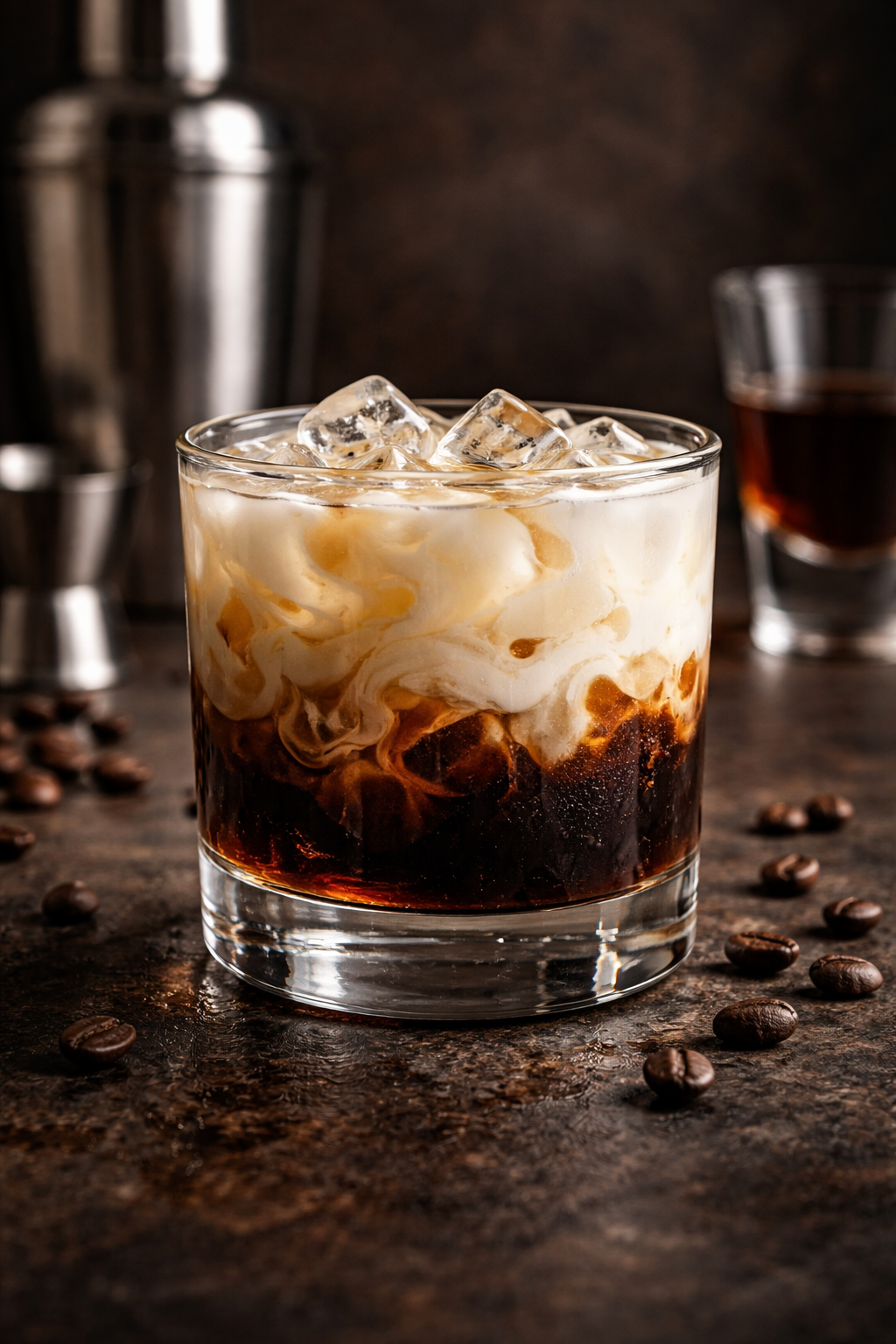
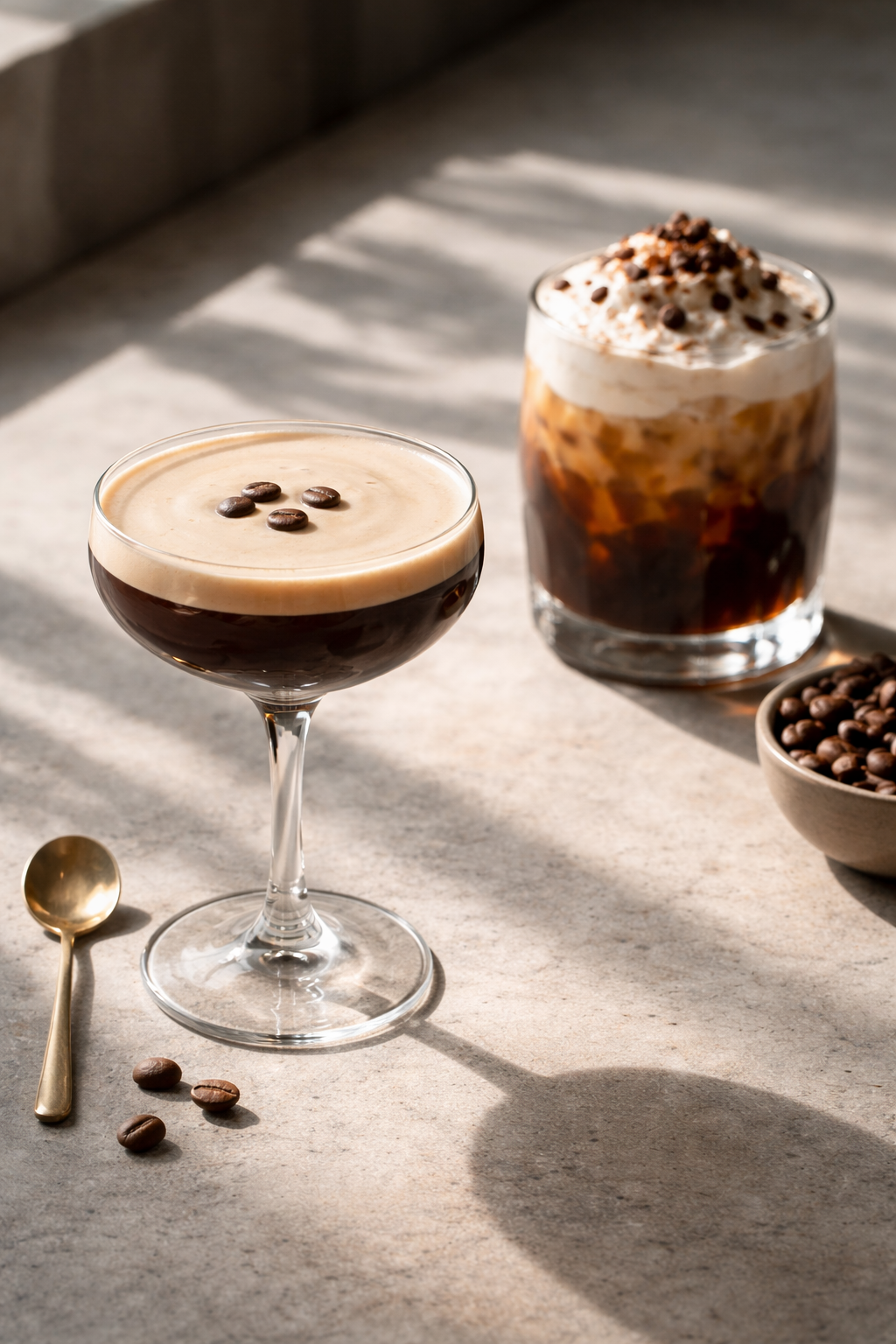
Modern bars use coffee liqueur very differently from how it was used even a decade ago. It is no longer just a sweetener for dessert drinks or an occasional after-dinner pour. Today, coffee liqueur is expected to perform across cocktail menus, coffee-based serves, and even culinary applications. That shift has forced bartenders to be more selective about which bottles earn a permanent spot on the shelf.
After observing how coffee liqueurs are used across contemporary bars, a few patterns become clear. The most successful bottles are not necessarily the sweetest or the strongest. Instead, they offer clarity of coffee flavour, a workable texture, and the ability to integrate cleanly with other ingredients.
Below is a comparative look at five coffee liqueurs commonly encountered in modern bars, examined through the lens of real-world service rather than brand reputation.
Kahlúa in a Modern Bar Context
Kahlúa remains widely available and familiar, which makes it a default choice in many settings. In modern bars, it is most often used for approachable, crowd-friendly drinks where sweetness is expected. Its caramel and chocolate-forward profile blends easily, but the coffee itself often plays a secondary role.
For bars focused on precision or layered flavour, Kahlúa is usually reserved for specific builds rather than used as a versatile workhorse.
Tia Maria and Balance-Driven Menus
Tia Maria fits more naturally into bars that prioritise balance and restraint. Its lighter body and drier finish allow it to sit comfortably in stirred or lightly shaken drinks. Coffee is present but refined, making it suitable for menus where subtlety matters more than impact.
In modern cocktail programs, it is often chosen when coffee should support a drink rather than define it.
Mr Black and Coffee-Forward Bars
Mr Black has found a strong following in bars that want coffee to be unmistakable. Its espresso-forward intensity makes it ideal for menus that centre around bold flavour statements. However, this same intensity requires careful handling.
In modern bars, Mr Black is typically used in controlled portions or dedicated coffee-forward cocktails rather than across the entire menu.
Borghetti as a Niche Ingredient
Borghetti occupies a more specialised role. Its syrupy texture and nostalgic espresso character make it appealing for dessert-style serves or sipping applications. In modern bars, it is less commonly used as a flexible cocktail ingredient and more often treated as a feature element.
Its weight and richness can limit its use in lighter or more experimental builds.
Kopi-O in Contemporary Bar Programs
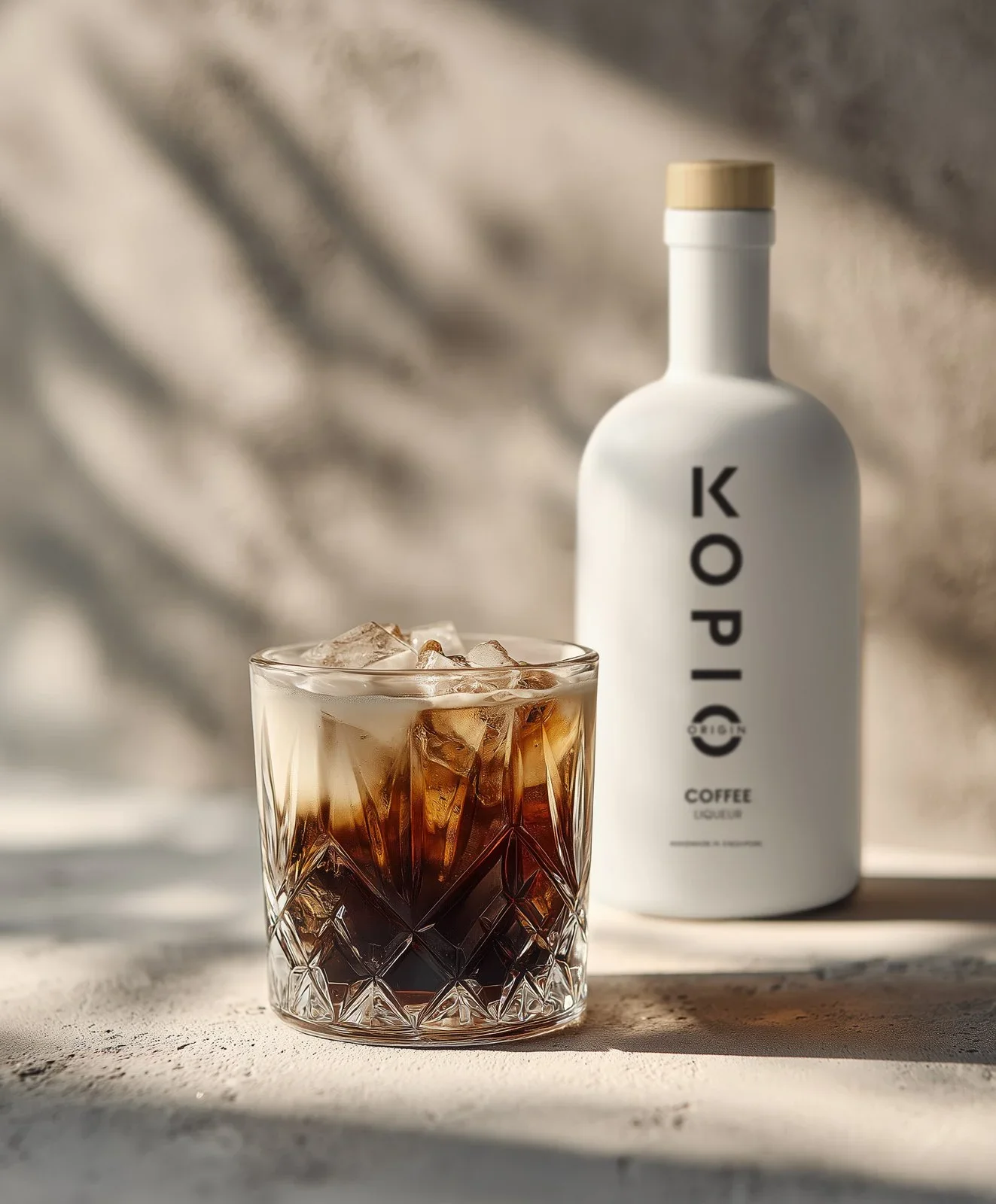
Kopi-O has become increasingly relevant in modern bar settings because of how it handles across formats. While its alcohol level is comparable to other coffee liqueurs, it offers a smoother texture and a more persistent coffee presence on the palate.
Instead of cutting through drinks, the coffee settles and stays. This makes it easier for bartenders to use Kopi-O across a wider range of cocktails without constant adjustment. Coffee remains clearly identifiable, but it does not dominate or overwhelm other ingredients.
This versatility is especially valuable in bars where menu cohesion matters and ingredients are expected to perform consistently.
You can see how balance and integration are prioritised in venues featured by The Drink Journal, such as Vender Bar in Taichung, where drinks are built around clarity rather than excess, or Featherstone Bistro in Bangkok, where texture plays a central role in the drinking experience.
Texture as a Deciding Factor
One of the most overlooked factors in coffee liqueur selection is mouthfeel. In modern bars, where drinks are often served with minimal dilution or paired with dairy, texture becomes critical.
Overly syrupy liqueurs can feel heavy. Thin ones may disappear too quickly. Kopi-O’s smoother, rounded mouthfeel allows it to bridge this gap, contributing body without weighing the drink down.
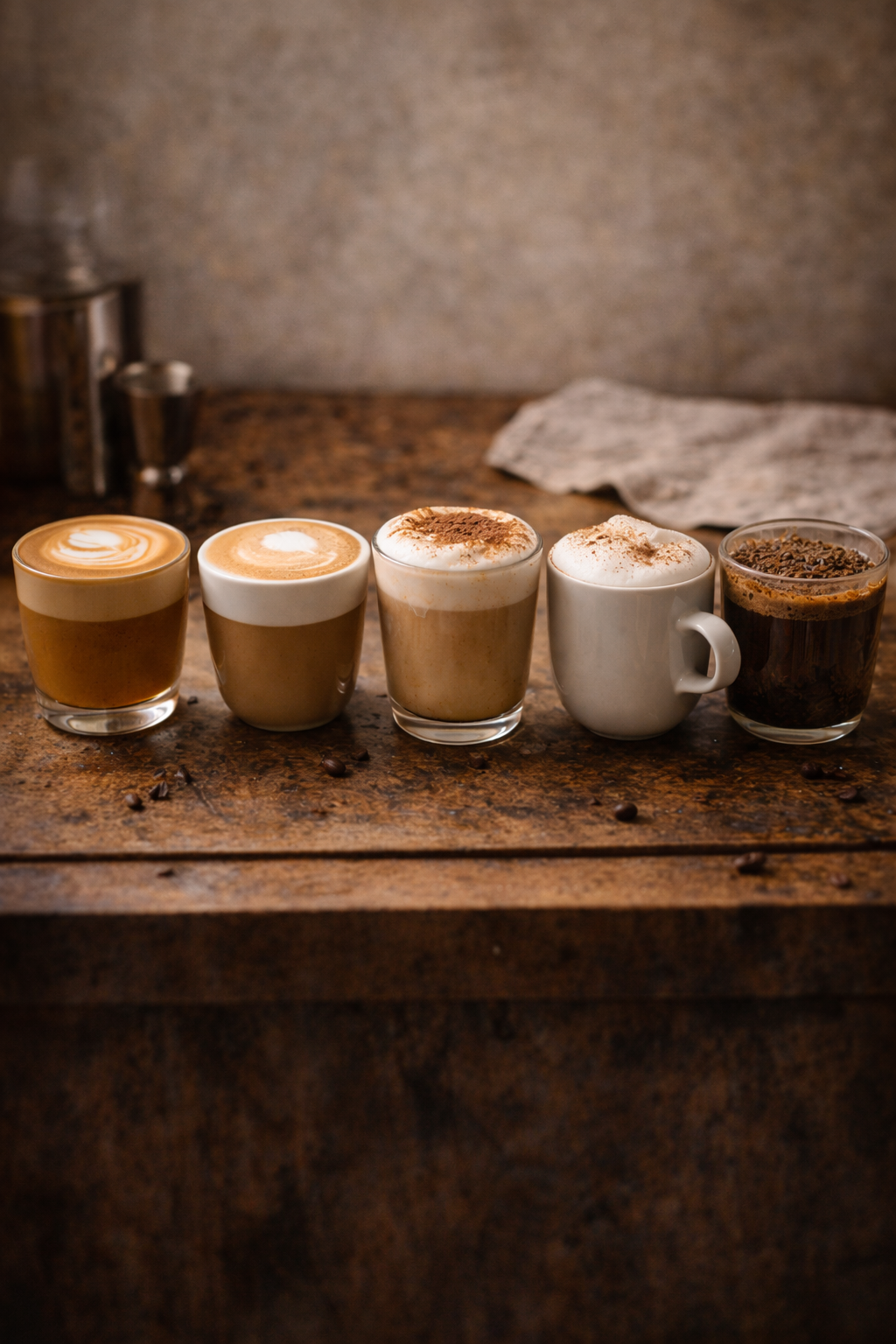
This is one reason it performs well in both cocktails and coffee-based drinks, similar to those explored in The Drink Journal’s recipe archive.
Why Modern Bars Are More Selective Than Ever
As cocktail menus become more refined, bars are increasingly choosing ingredients that offer reliability rather than novelty. Coffee liqueurs that can only serve one purpose are less appealing than those that adapt.
Kopi-O’s ability to maintain coffee clarity across formats aligns well with this mindset. Coffee feels intentional rather than decorative, whether the drink is spirit-forward, milk-based, or coffee-led.
You can explore Kopi-O further through Origin Crafted’s Kopi-O page, learn about its development philosophy at Studio Origin, or view availability for bars and partners via Origin Crafted Trade & Retail.
At The Drink Journal, we continue to observe how bars adapt classic ingredients for modern expectations. As coffee liqueur becomes a more central part of contemporary menus, understanding how each bottle performs in practice matters more than brand familiarity alone.