The Science of Stability: What Separates La Mouss from Traditional Foaming Methods
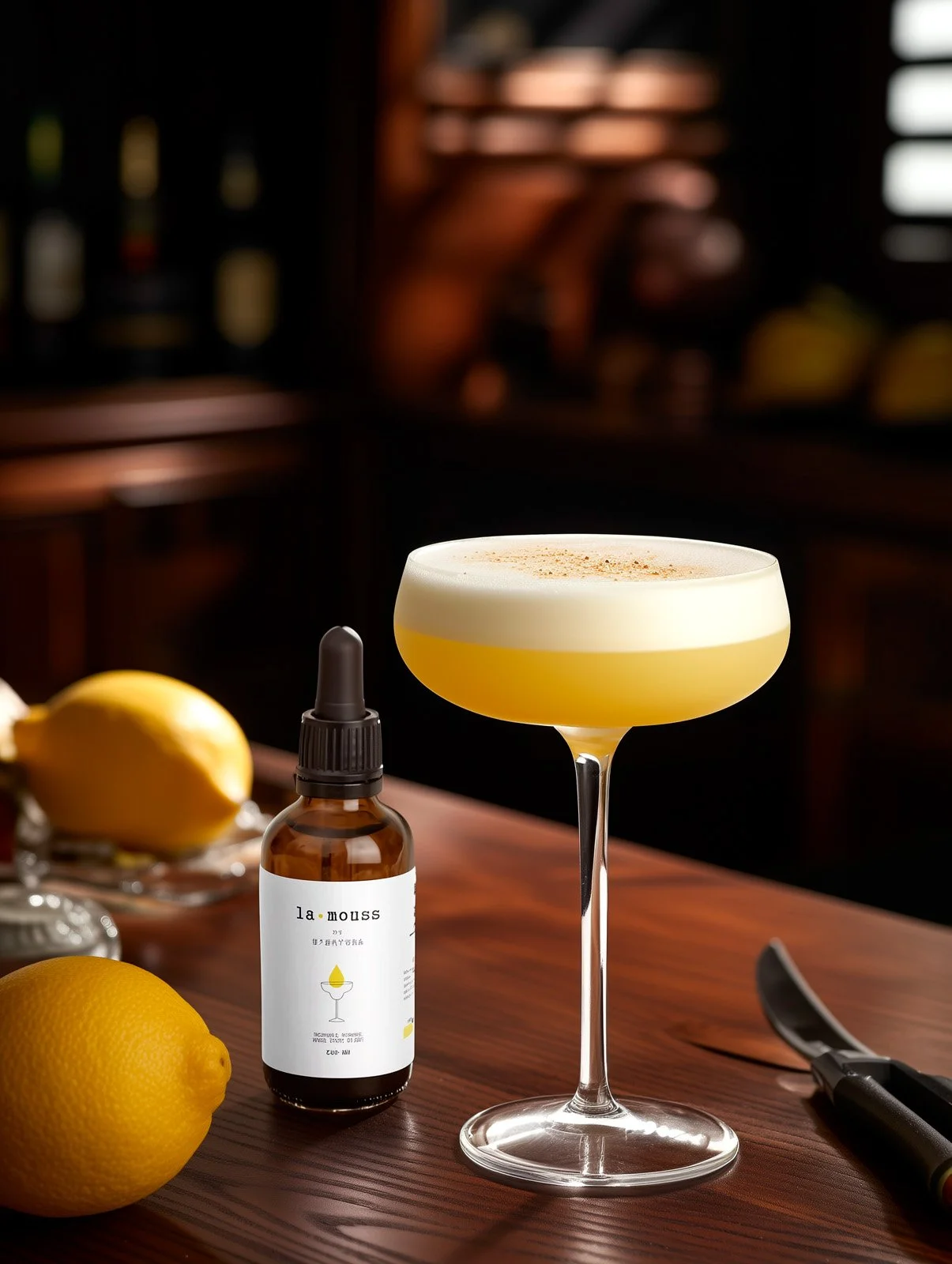
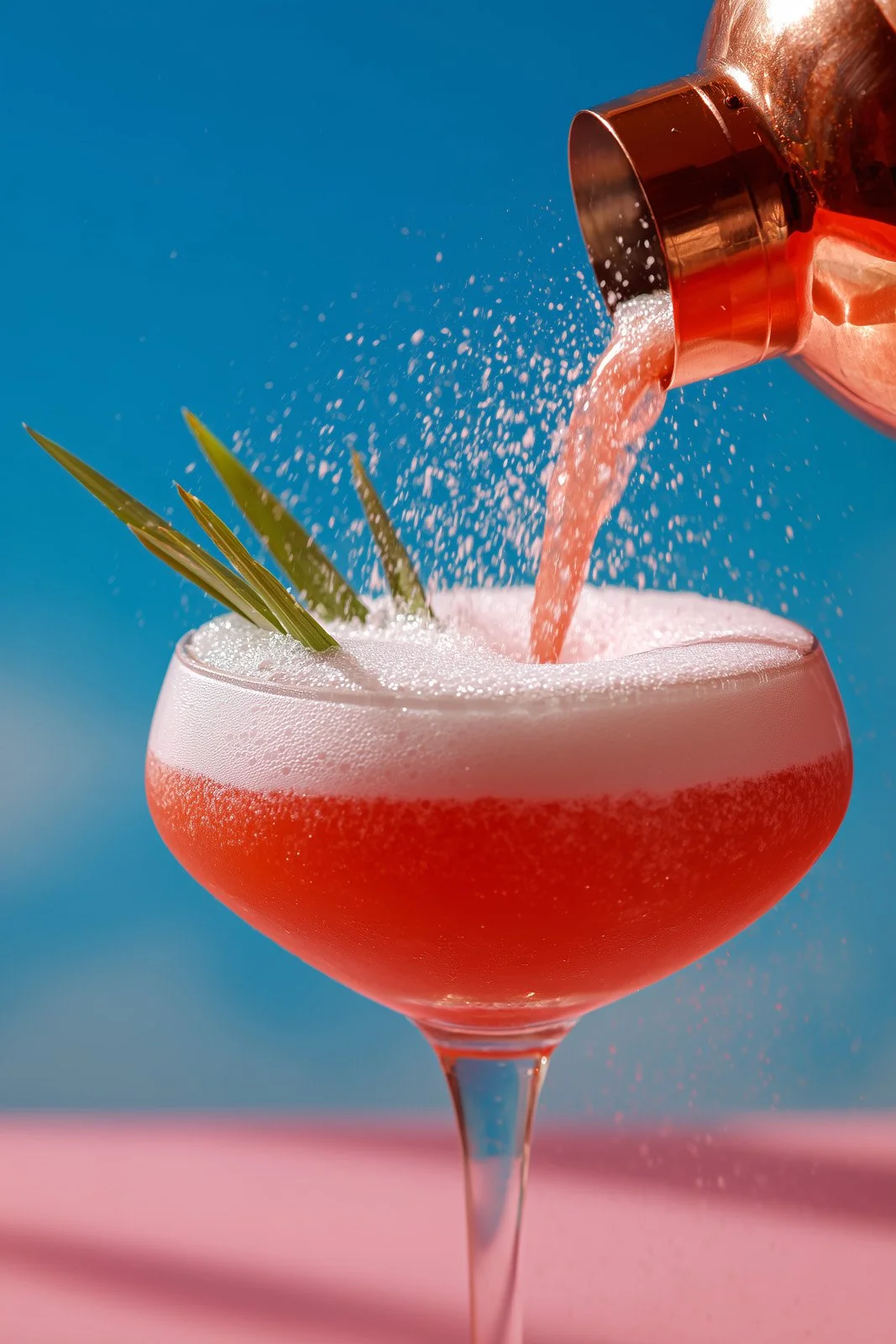
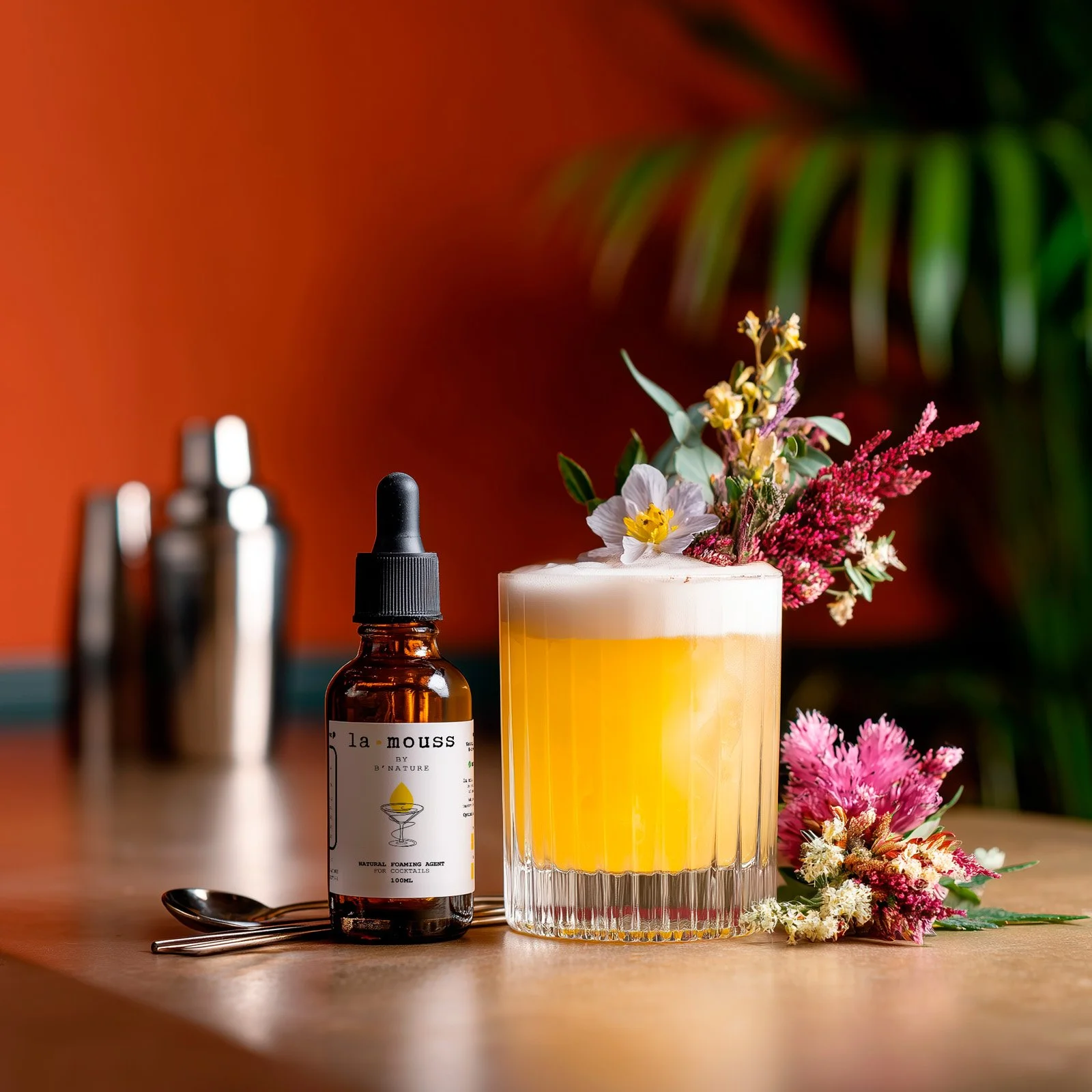
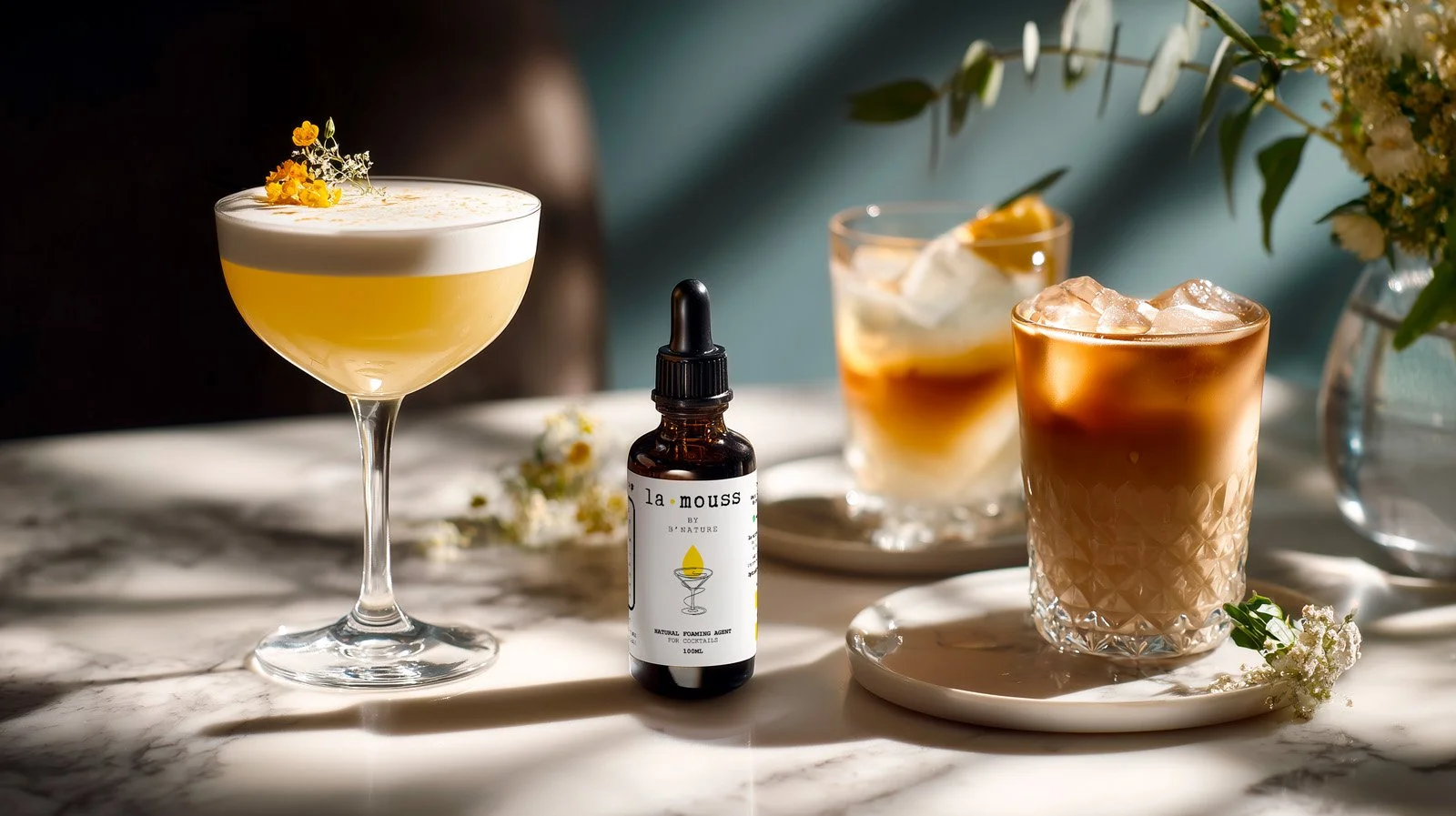
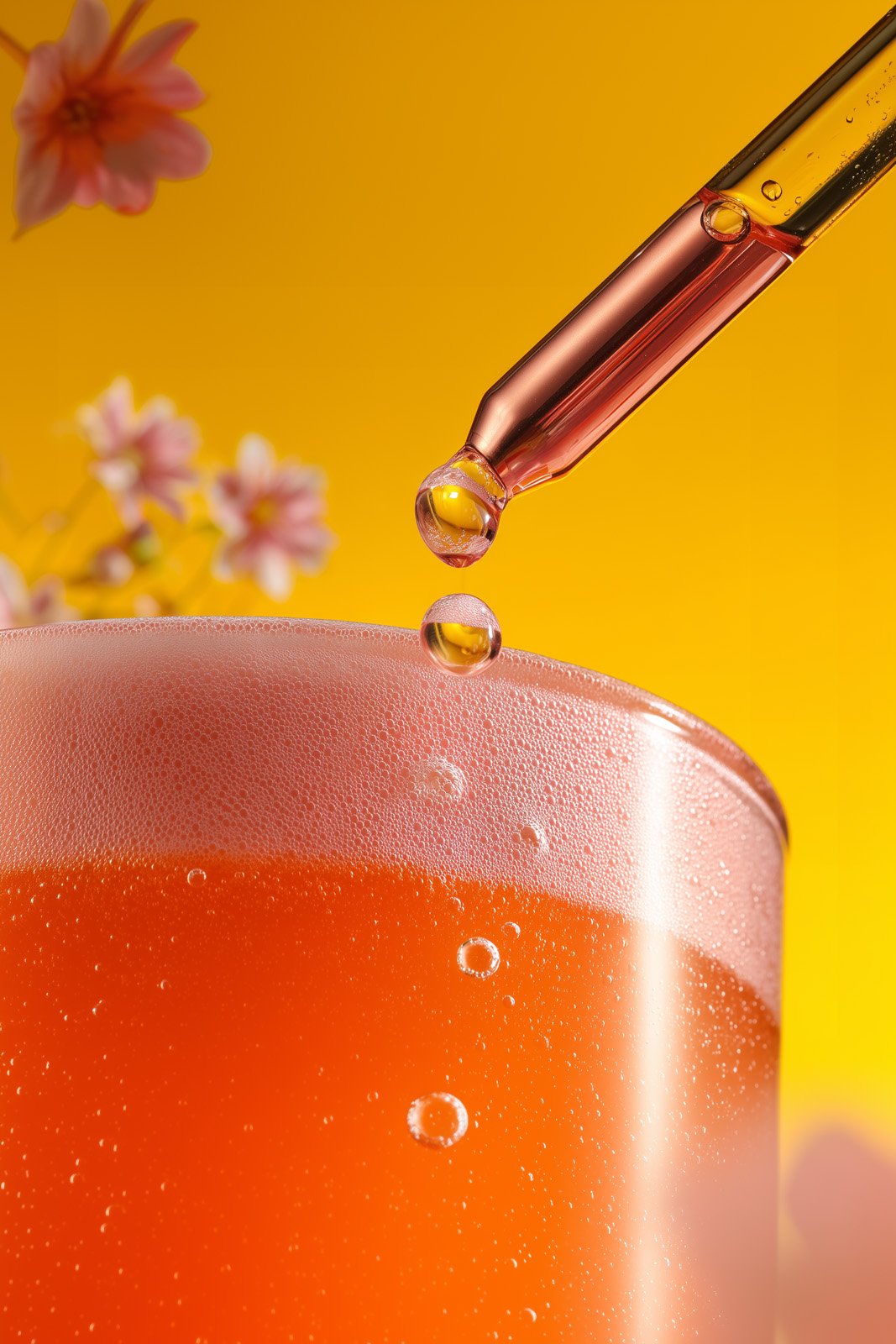
Foam has long been part of cocktail tradition, but only recently has it been examined through a scientific lens. As bars become more precise and service expectations rise, the industry is paying closer attention to why foam behaves the way it does, not just how to create it. Stability, once an afterthought, has become a defining marker of quality.
La Mouss sits squarely at this intersection of science and service. Its performance is not accidental or purely technique-driven. It is the result of deliberate formulation designed to solve the weaknesses inherent in traditional foaming methods.
At The Drink Journal, we view cocktail ingredients as systems. When one element fails, the entire structure suffers. Foam stability is a clear example of this principle in action.
Why Traditional Foaming Methods Break Down
Egg whites dominate classic cocktail foam for historical reasons rather than scientific ones. They work, but imperfectly. Egg proteins denature under agitation, trapping air and creating foam, yet that foam is highly sensitive to temperature, dilution, and time.
As a result, egg white foam is inherently unstable. It can appear dense immediately after shaking but begin collapsing minutes later. Variations in egg freshness, size, and storage conditions further amplify inconsistency, forcing bartenders to rely on intuition rather than repeatable results.
In cocktails like the Whiskey Sour, this instability directly affects balance. As foam breaks down, acidity becomes sharper, aroma dissipates faster, and the drink loses cohesion.
Stability as a Function of Design
La Mouss approaches foam from a fundamentally different angle. Instead of relying on naturally variable proteins, it uses a controlled formulation designed specifically for beverage applications. The goal is not just foam creation, but foam retention.
This design prioritises uniform bubble structure and resistance to collapse. The result is foam that maintains its density and height longer, even as the drink warms or sits during service. From a scientific perspective, this consistency is critical. A stable foam layer acts as a barrier, moderating oxygen exposure and regulating aroma release.
In cocktails where structure and longevity matter, such as the Singapore Sling, this stability helps preserve both presentation and flavour balance from first sip to last.
Neutrality and Sensory Accuracy
Another scientific limitation of egg whites lies in sensory interference. Egg proteins carry subtle aromas and flavours that can mask delicate botanicals or citrus oils. While often overlooked, this interference becomes noticeable in aroma-forward cocktails.
La Mouss is engineered to be neutral. It introduces no flavour compounds and no residual odour. From a sensory standpoint, this allows the cocktail’s intended aromatic profile to remain intact.
This neutrality is especially important when foam interacts with garnish. Our discussion of the art of garnishing illustrates how scent, texture, and visual cues converge. Stable, neutral foam supports that convergence instead of distorting it.
The Role of Shelf Stability in Performance
Shelf stability may seem like a logistical benefit, but it also has scientific implications. Ingredients that require refrigeration or careful handling introduce temperature-related variability into the foaming process.
La Mouss eliminates this variable entirely. Its shelf-stable formulation ensures consistent performance regardless of storage conditions. That consistency translates directly into predictable foam behaviour during shaking and pouring.
When combined with controlled dilution, stable foam becomes part of a broader system of balance. Our guide on using ice to control dilution in cocktails demonstrates how precision in one element reinforces stability in another.
The Science-First Shift
Modern cocktails are no longer built on tradition alone. They are built on understanding how ingredients behave under real-world conditions.
Designed for Repeatability, Not Adaptation
Traditional foaming methods require constant adjustment. Bartenders compensate for egg freshness, temperature, and technique differences. La Mouss removes the need for this adaptation.
Its formulation is designed to behave the same way every time. From a scientific and operational standpoint, this repeatability is invaluable. It allows bartenders to focus on structure, balance, and creativity rather than troubleshooting foam.
The thinking behind this approach is outlined clearly on the Why La Mouss page, which frames stability and neutrality as foundational design goals rather than secondary benefits.
For practical application, the How to Use La Mouss guide shows how easily it integrates into existing cocktail builds without altering established ratios or techniques.
Science That Serves the Drink
The difference between La Mouss and traditional foaming methods is not philosophical, but scientific. One relies on variable biological material. The other relies on controlled design.
You can explore the product further on the La Mouss official site and check availability through Find La Mouss for professional and home use.
The Drink Journal Conclusion
Foam stability is no longer a matter of preference. It is a measurable component of cocktail quality. By addressing foam through formulation rather than tradition, La Mouss demonstrates how science-driven design can quietly elevate the entire drinking experience.
As cocktail culture continues to mature, stability is no longer optional. It is the standard by which modern foam is judged.