How Kopi-O Fits Seamlessly Into Contemporary Coffee Cocktails
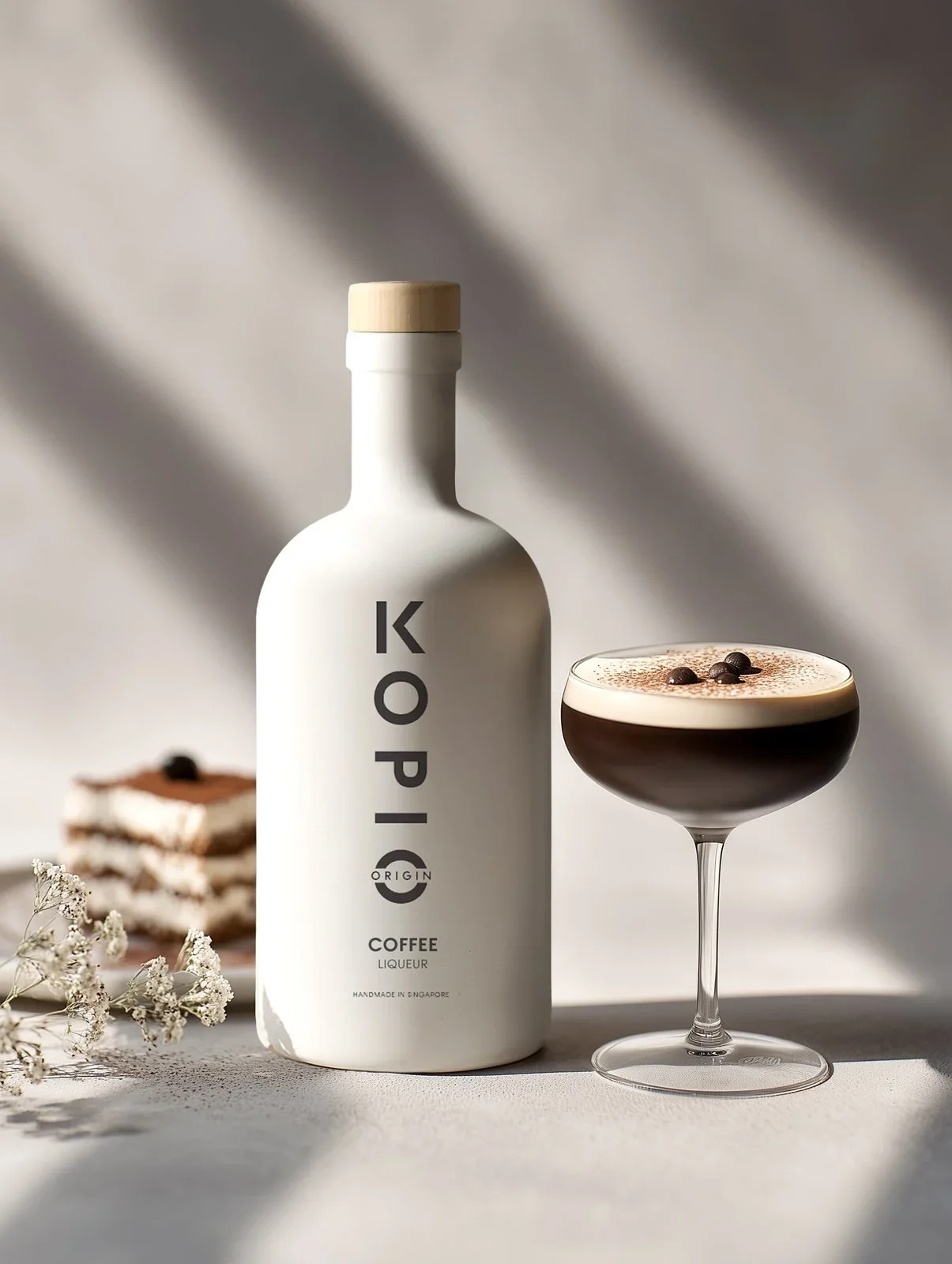

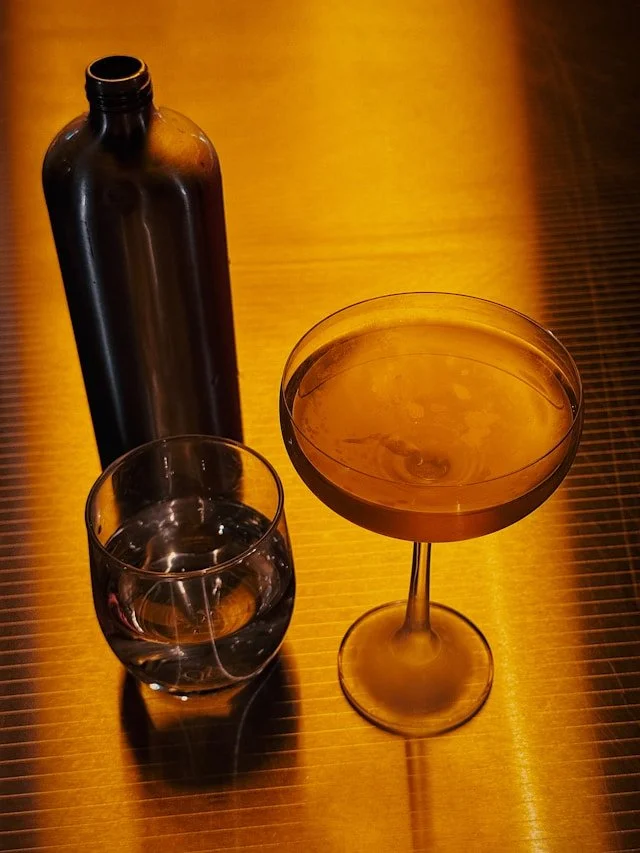

Coffee cocktails have grown up. What was once a narrow corner of the menu—often dominated by overly sweet, after-dinner drinks—has evolved into a category that modern bars take seriously. Today’s coffee cocktails are cleaner, more structured, and far more thoughtful about how coffee actually behaves in a mixed drink.
This shift is exactly where Kopi-O shines.
Rather than forcing cocktails into a dessert lane, Kopi-O allows coffee to function as a genuine flavour component—one that integrates smoothly with spirits, structure, and balance. That’s why it has become such a natural fit in contemporary coffee cocktails across hotel bars, cocktail lounges, and café-bar hybrids.
Contemporary coffee cocktails demand restraint
Modern bartenders approach coffee the same way they approach tea, wine, or vermouth: as a complex ingredient that needs respect and restraint. Too much sweetness dulls the drink. Too much bitterness overwhelms it. And artificial flavours immediately break the illusion.
Kopi-O lands comfortably in this new mindset. Its profile is clean and deliberate, allowing the coffee to speak clearly without crowding the glass. When used in contemporary cocktails, it supports structure rather than hijacking it, which is why it feels so intuitive behind the bar.
This same sense of refinement shows up in the kind of bars regularly explored by The Drink Journal, where menus are built on balance rather than spectacle. Looking at features like Vesper Bangkok offers insight into how coffee cocktails have moved toward elegance and precision—and why ingredients like Kopi-O matter more than ever.
Designed to sit comfortably in modern builds
One of the defining traits of contemporary coffee cocktails is versatility. Coffee is no longer locked into one style of drink. It appears in stirred cocktails, lighter shaken serves, low-proof aperitif-style drinks, and even savoury-adjacent builds.
Kopi-O adapts easily across these formats. Its controlled sweetness means it doesn’t flatten acidity. Its bitterness provides contrast without aggression. And its aroma remains present even when used sparingly.
This is especially valuable in bars that rotate menus frequently or run seasonal coffee cocktails alongside classics. Kopi-O doesn’t require the drink to be built around it; it simply slots in and does its job.
You see similar adaptability in café-driven venues like The Fitz Café & Rooftop Bar in Melbourne, where coffee culture and cocktail sensibility overlap naturally. Kopi-O belongs in that same space between cup and coupe.
Why coffee-forward cocktails feel lighter now
A noticeable trend in recent years is how much lighter coffee cocktails have become. Gone are the heavy, syrupy textures that once defined the category. In their place are drinks that feel refreshing, layered, and precise.
Kopi-O contributes directly to that evolution. Because it doesn’t rely on excessive sugar, it allows bartenders to build drinks that feel complete without becoming cloying. This makes coffee cocktails more approachable—not just as dessert options, but as pre-dinner or late-afternoon serves.
For readers interested in how coffee traditions continue to evolve across cultures, the Drink Journal’s coffee features offer useful context, especially when exploring how classic coffee formats influence modern bar thinking.
If you enjoy watching how coffee moves beyond the cup and into the cocktail glass, spend some time exploring The Drink Journal. It’s where these subtle shifts in drinks culture tend to surface first.
A coffee liqueur that respects both bar and café culture
What makes Kopi-O particularly compelling in contemporary coffee cocktails is how comfortably it bridges two worlds. It understands café culture—where coffee must taste like coffee—and it understands bar culture, where balance and structure are non-negotiable.
That dual awareness is no accident. Origin Crafted’s broader philosophy, shaped through its creative work at Studio Origin, places intention and refinement at the centre of product development. The result is a coffee liqueur that feels considered rather than opportunistic.
For bars looking to integrate Kopi-O into their programs, Origin Crafted’s dedicated trade and retail platform positions it clearly as a professional, bar-ready option—something designed to be worked with, not worked around.
A natural fit for the way bars operate today
Contemporary bars value efficiency as much as creativity. Ingredients need to perform reliably across multiple drinks, shifts, and service styles. Kopi-O’s consistency and clarity make it easy to deploy without constant adjustment.
That reliability is part of why it has found a home in hotel bars and multi-concept venues, where a single coffee liqueur may be used in cocktails, spiked coffees, desserts, or even offered neat. Kopi-O handles those roles without losing its identity.
In a crowded category, that kind of quiet competence is increasingly rare—and increasingly valued.
Seamless, not showy
Kopi-O doesn’t try to redefine coffee cocktails with theatrics. Instead, it supports the way contemporary bars already think about flavour: clean, layered, and purposeful. It lets coffee be expressive without being indulgent, modern without being detached.
That’s why it fits so seamlessly into today’s coffee cocktails. It doesn’t demand attention. It earns trust.
Curious how Kopi-O performs in contemporary coffee cocktails across different styles and settings? Explore the spirit directly at Kopi-O here, then continue discovering how coffee and cocktails intersect through the global bar stories on The Drink Journal.