From Bar to Bottle: How Kopi-O Can Be Found at Bitters & Love and Destination Beverage
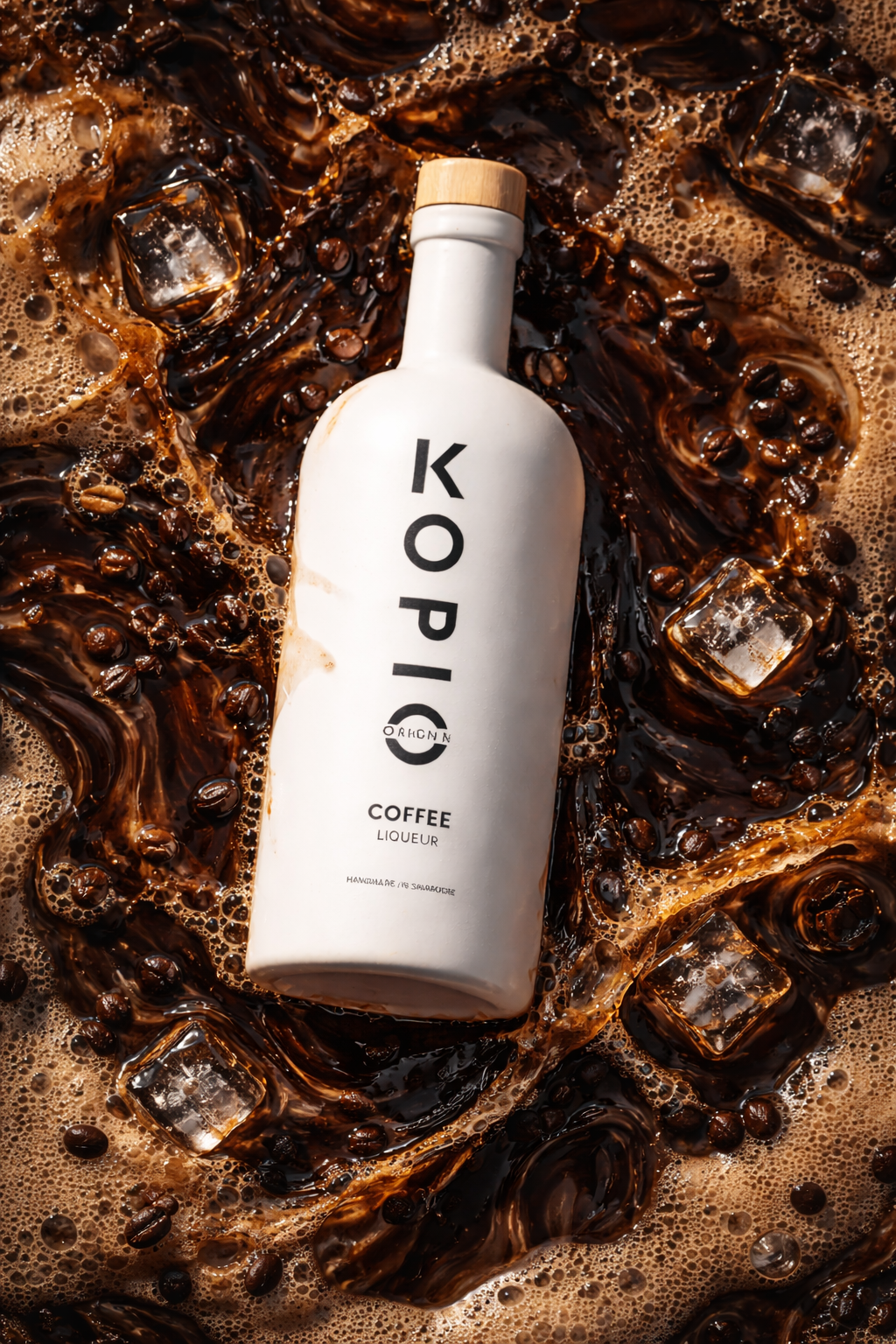

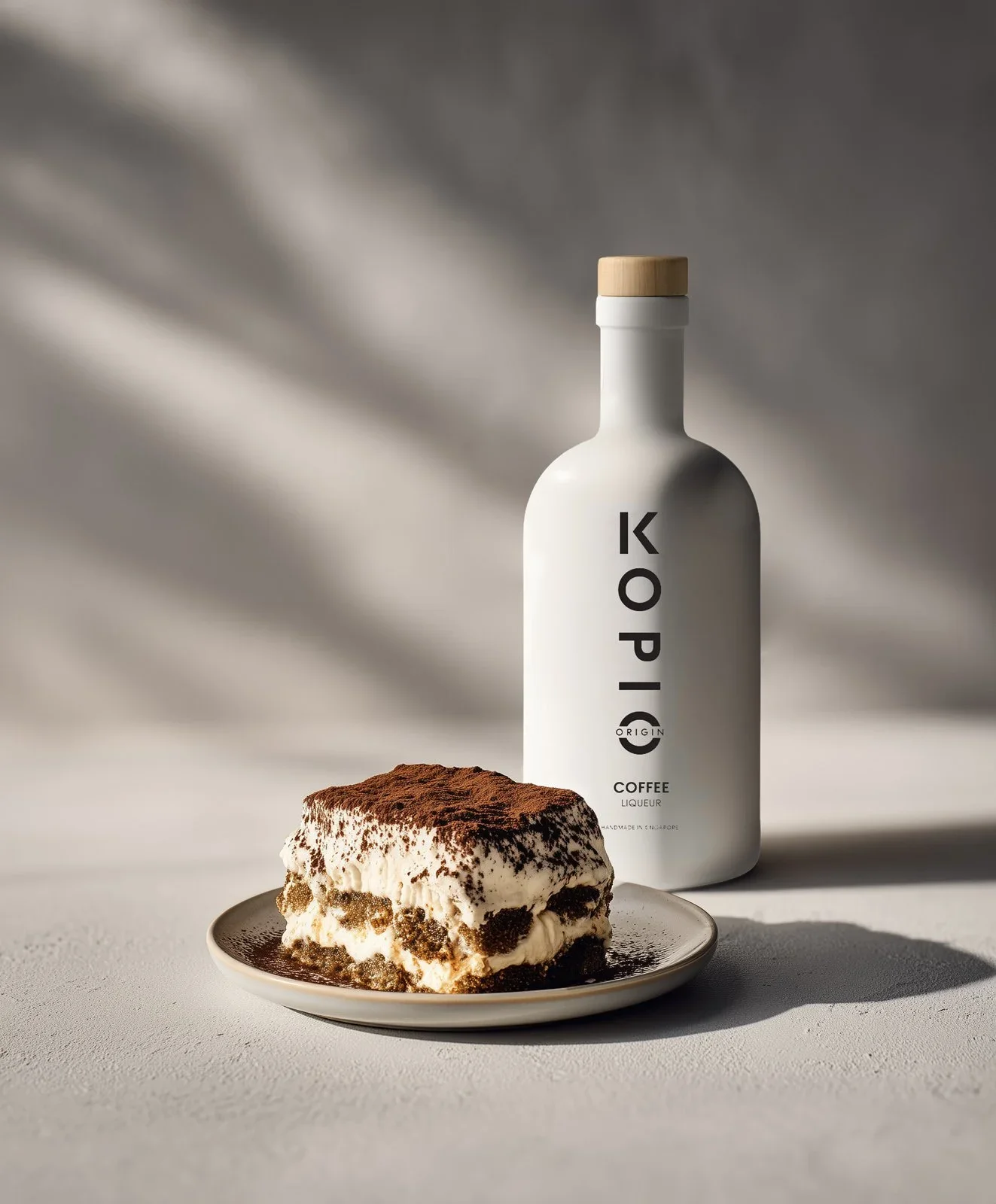
Kopi-O is one of those bottles that feels immediately familiar, then quietly more interesting the longer you think about it. At first glance, Kopi-O speaks directly to Singapore coffee culture: strong black kopi, roasted aroma, dark sweetness, and the comfort of a flavour many people already know. But as a premium Singapore coffee liqueur made with both Nanyang and Vietnamese beans, it also belongs naturally in the modern cocktail world.
That is the exciting part. Kopi-O does not treat local coffee as a nostalgic decoration. It gives that flavour a new form. Instead of staying only in the kopitiam cup, the deep roasted character of kopi becomes something bartenders can pour, shake, stir, and build into cocktails. It turns Singapore coffee culture into a bar ingredient with structure, personality, and range.
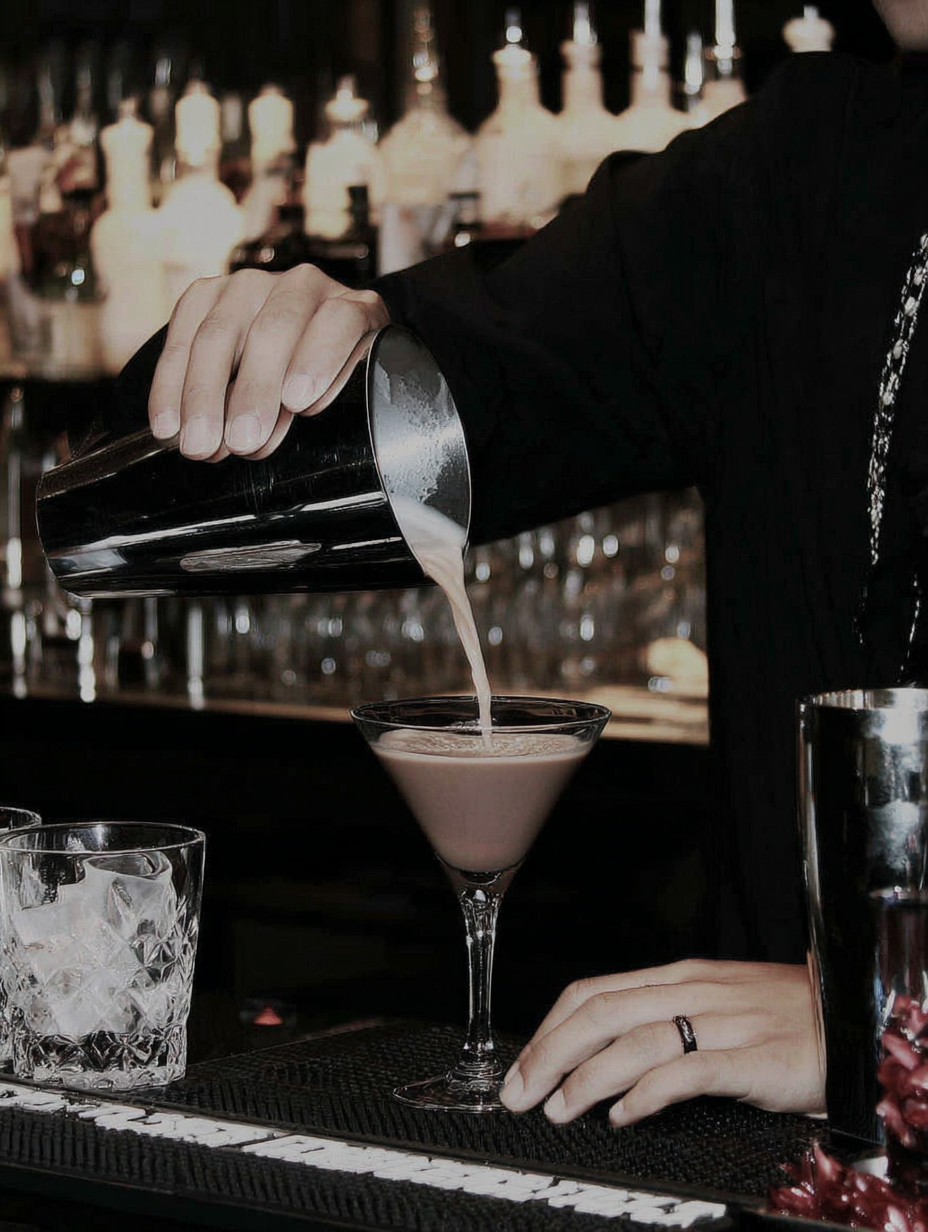
This is why Kopi-O’s presence at Bitters & Love matters. A bar like Bitters & Love gives the liqueur a proper cocktail stage. It is the kind of place where the ingredient in the glass is not just a hidden component, but part of the drink’s story. When Kopi-O appears in that environment, it becomes more than a bottle on a shelf. It becomes part of Singapore’s living cocktail conversation.
A coffee liqueur needs more than sweetness to be memorable. It needs roast, aroma, balance, and enough bitterness to keep a drink from becoming flat. Kopi-O has that advantage because of its bean identity. Nanyang coffee brings a familiar regional profile, while Vietnamese beans add another layer of intensity and depth. Together, they create a liqueur that can hold its own in cocktails without being swallowed by the spirit base.
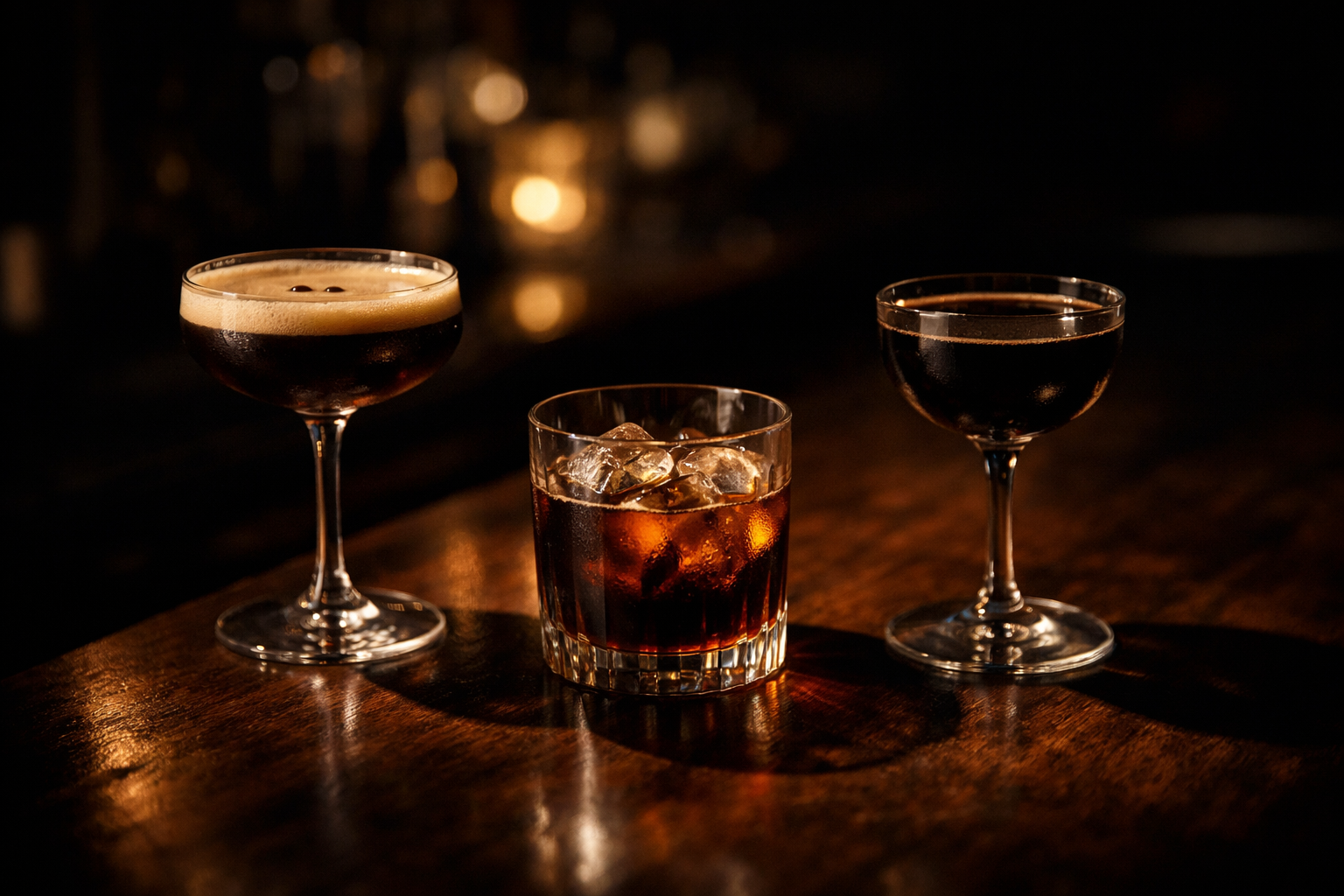
That makes Kopi-O especially suitable for coffee martinis and other coffee-forward drinks. A good coffee martini should feel sleek, chilled, and energetic, but it should also have weight. With Kopi-O, the drink gains a more grounded character. It does not taste like a generic coffee cocktail. It carries a sense of place, which is exactly what makes local ingredients valuable in modern bars.
The Glass and the Shelf
For anyone following Singapore’s drink scene through The Drink Journal, Kopi-O is a useful example of how a local flavour can move between spaces. In one setting, it becomes a crafted drink at a cocktail bar. In another, it becomes a bottle that someone can bring home, share with friends, or use to explore their own version of a coffee cocktail.
That is where Destination Beverage becomes important. If Bitters & Love shows Kopi-O in professional hands, Destination Beverage gives curious drinkers another way to find it. The bottle does not need to remain a bar-only experience. It can travel from the backbar to the home bar, from a polished cocktail programme to a private gathering, from a bartender’s pour to a personal discovery.
This movement matters because bottles become part of culture when they are visible in more than one place. A drink that only exists in one venue can be admired, but a bottle that appears in bars and retail spaces can be explored. People can taste it professionally, then revisit it personally. They can understand why a bartender uses it, then decide how they might use it themselves.
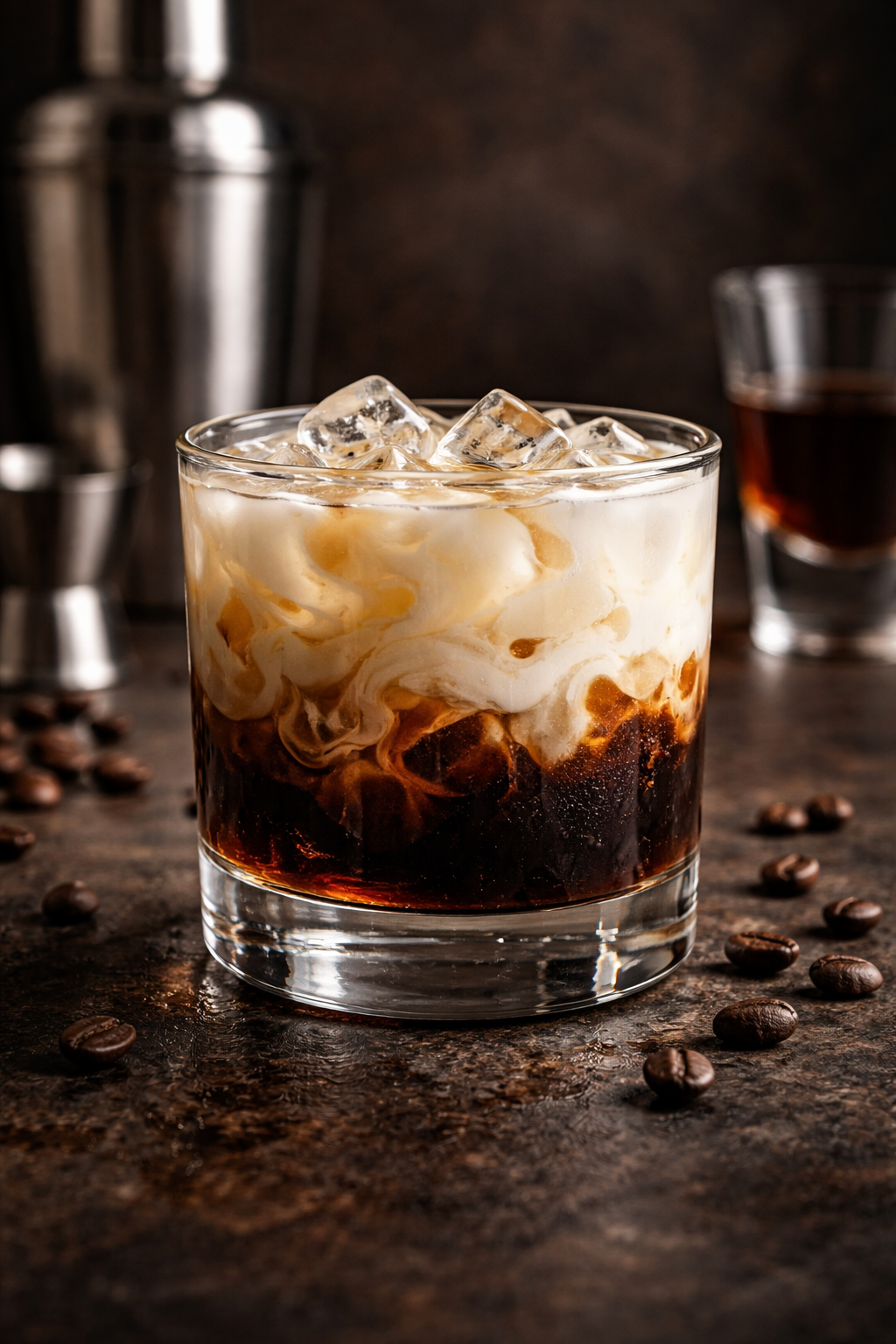
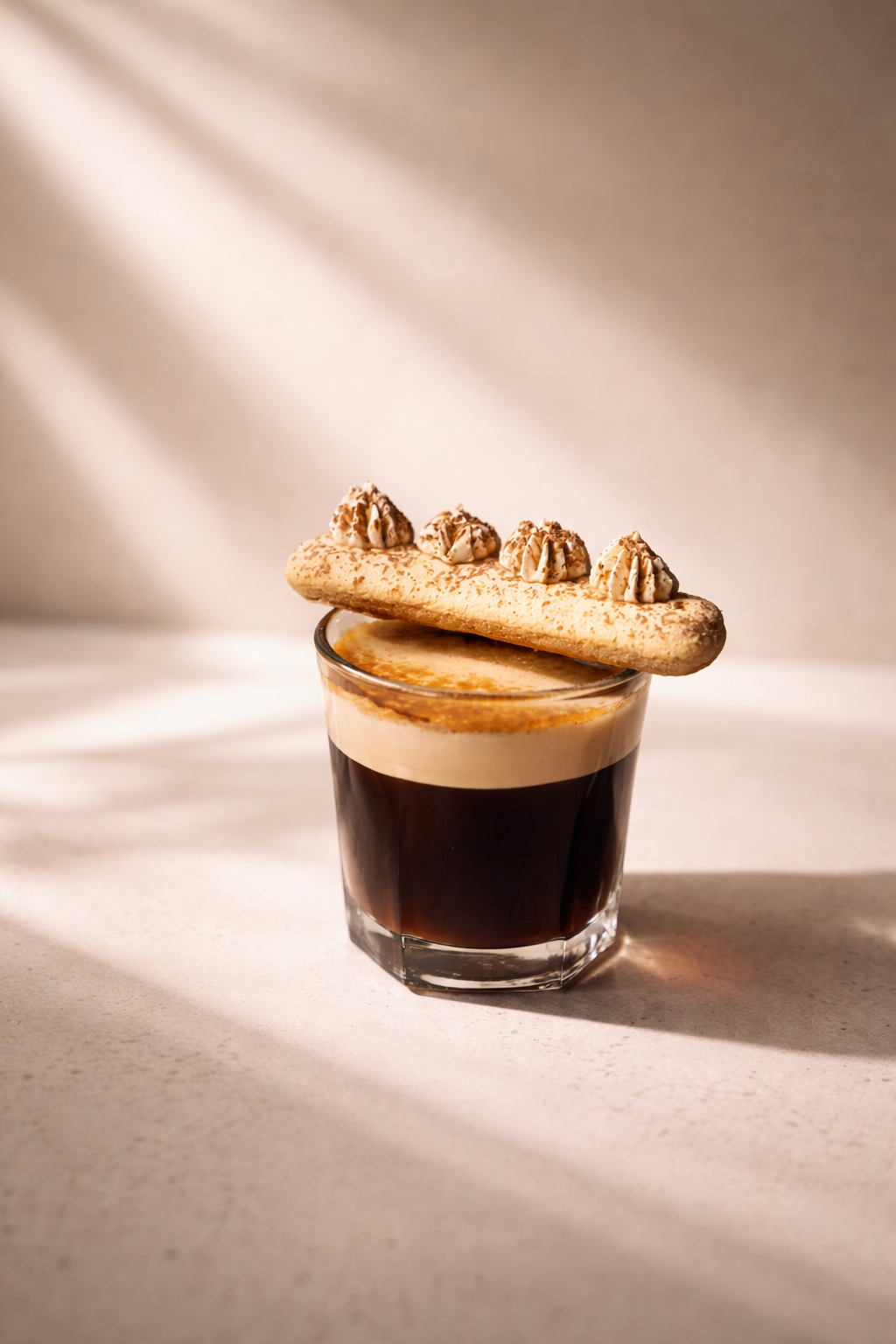
Kopi-O is well suited to that kind of journey because its flavour is easy to grasp but not simplistic. Coffee is familiar. Kopi is even more familiar to Singapore drinkers. But the liqueur format makes it flexible. It can work with vodka, rum, whisky, cream, hazelnut, chocolate, citrus, or even a simple chilled serve after dinner. It is approachable enough for home use, but structured enough for serious cocktail building.
That dual appeal helps explain why The Drink Journal has explored why Kopi-O is emerging as Singapore’s defining coffee liqueur. The bottle sits at a useful intersection: local identity, coffee culture, bar craft, and retail discovery. It is not only a product. It is a way of seeing how Singapore flavours can enter modern drinks without losing their roots.
Why Kopi-O Works in Singapore’s Cocktail Scene
Singapore has no shortage of polished bars, hotel lounges, and creative cocktail spaces. But the most memorable drinks are often the ones that feel connected to where they are served. Kopi-O gives bartenders a direct path to that connection. Instead of using coffee liqueur as a neutral imported flavour, they can reach for something that speaks more clearly to the region.
This is where Kopi-O stands apart. It does not need to shout about being local. The name already does some of that work. The flavour completes the point. A well-made Kopi-O drink can feel elegant and familiar at the same time, which is harder to achieve than it sounds. Too much nostalgia can make a drink feel gimmicky. Too much polish can make it feel anonymous. Kopi-O sits between the two.
The Drink Journal’s feature on what sets Kopi-O apart from other coffee liqueurs makes this point clearly: identity matters. In a crowded category, the bottles that stand out are the ones with a real flavour story and a clear reason to exist.
The Kopi-O Route Through Singapore
So where does Kopi-O belong? In more places than one. It belongs at Bitters & Love, where it can be experienced in a cocktail-bar setting. It belongs at Destination Beverage, where drinkers can find the bottle and explore it for themselves. It belongs in coffee martinis, after-dinner drinks, home bars, and conversations about what Singapore-made beverages can become.
For more drink stories, venue writing, and coffee liqueur features, explore The Drink Journal’s editorial world. Kopi-O is worth watching because it does not simply add coffee flavour to cocktails. It brings Singapore coffee culture into the glass, then gives that glass somewhere to go.