From Bottle to Skyline: How Kopi-O Can Be Found at Destination Beverage and Level33
Kopi-O is a Singapore coffee liqueur with a clear sense of direction. It begins with something many people already know deeply: the bold, roasted flavour of local kopi culture. Then it brings that flavour into a modern liqueur format, making it suitable for cocktails, after-dinner drinks, home bars, and polished hospitality spaces. That is why Kopi-O feels both familiar and new at the same time.
Made with both Nanyang and Vietnamese beans, Kopi-O carries a regional coffee identity that goes beyond simple sweetness. It has the darker roasted memory of Singapore-style coffee, supported by the aromatic intensity often associated with Vietnamese coffee. Together, those two influences give the liqueur a layered quality: bold enough for cocktails, smooth enough for sipping, and specific enough to stand apart from more generic coffee liqueurs.
That specificity is important. A lot of coffee liqueurs can make a drink taste like coffee. Kopi-O does something more interesting. It makes a drink feel connected to place. The name alone points toward Singapore’s coffee culture, but the flavour gives the idea structure. It suggests kopitiam mornings, black coffee, roasted beans, and the kind of bittersweet depth that can travel naturally into a cocktail glass.
For anyone asking where to find Kopi-O in Singapore, two destinations help tell the story: Destination Beverage and Level33. One gives people access to the bottle. The other gives the liqueur a dramatic venue setting, high above the city. Together, they show how Kopi-O can move through Singapore’s drink scene, from retail discovery to skyline hospitality.
Destination Beverage plays an important role because it gives Kopi-O reach beyond the bar. Not every drinker first meets a liqueur through a cocktail menu. Some discover it by browsing, gifting, hosting, or building a home bar. Through Destination Beverage, Kopi-O becomes something people can bring into their own spaces. It can be opened for a dinner party, used in a coffee martini, poured over ice, or explored slowly by anyone curious about Singapore-made drinks.
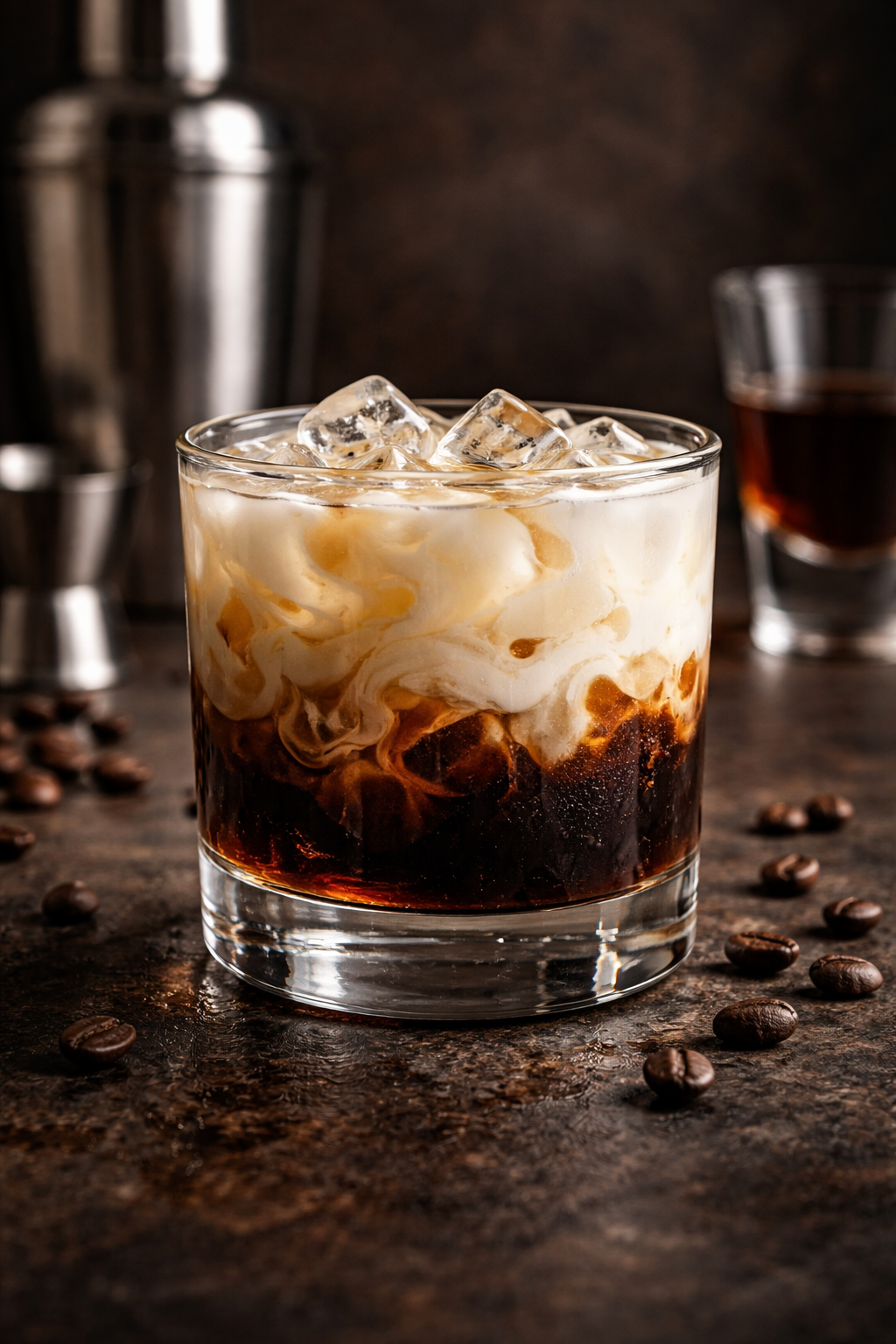
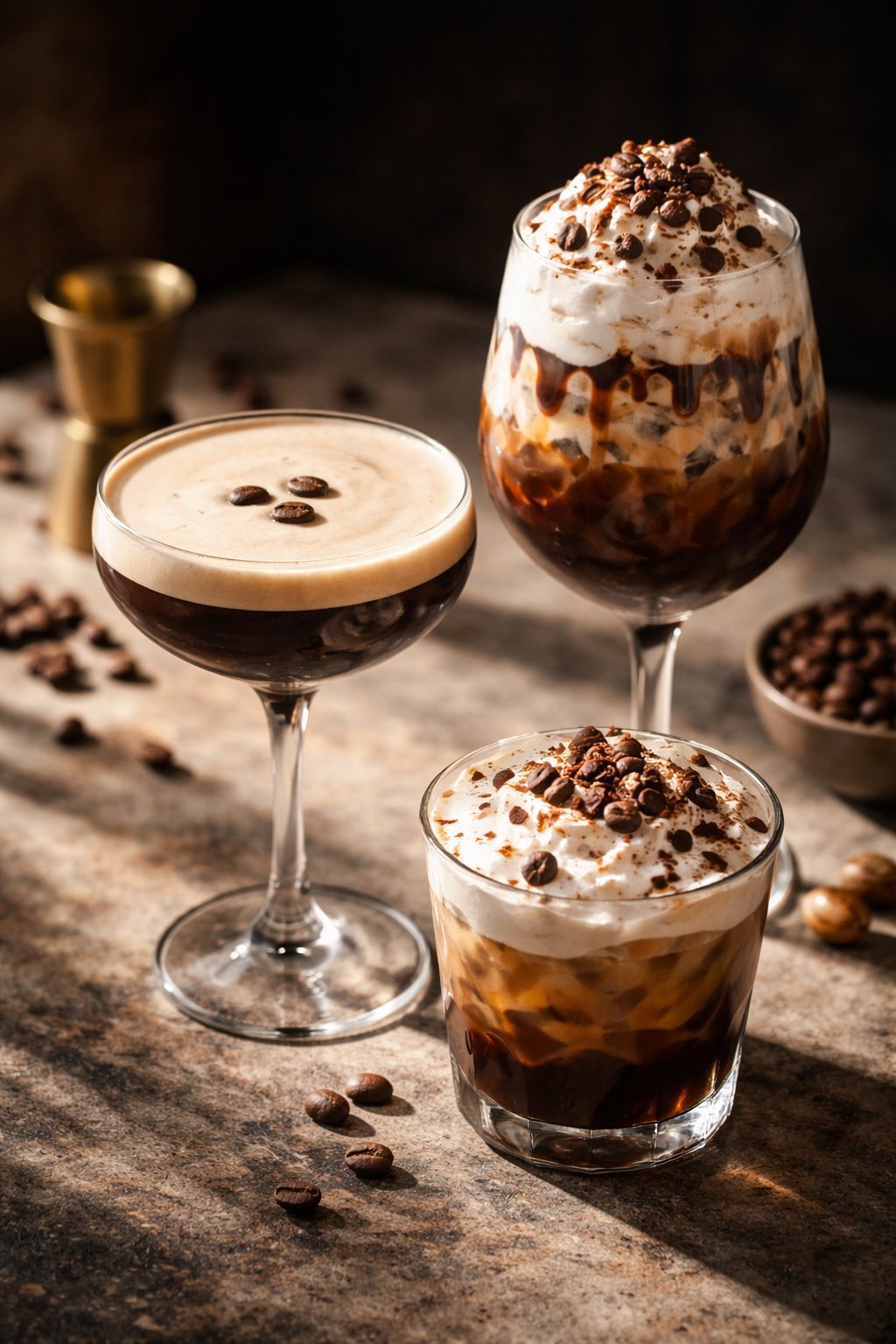
That home-bar potential matters. Kopi-O is not too obscure to understand. Coffee is familiar. Kopi is even more familiar in Singapore. But the liqueur format gives that familiar flavour a new kind of flexibility. It can work with vodka for a sleek coffee martini, rum for warmth, whisky for depth, cream for softness, hazelnut for richness, or chocolate for a more indulgent after-dinner serve.
A Singapore Bottle With a City View
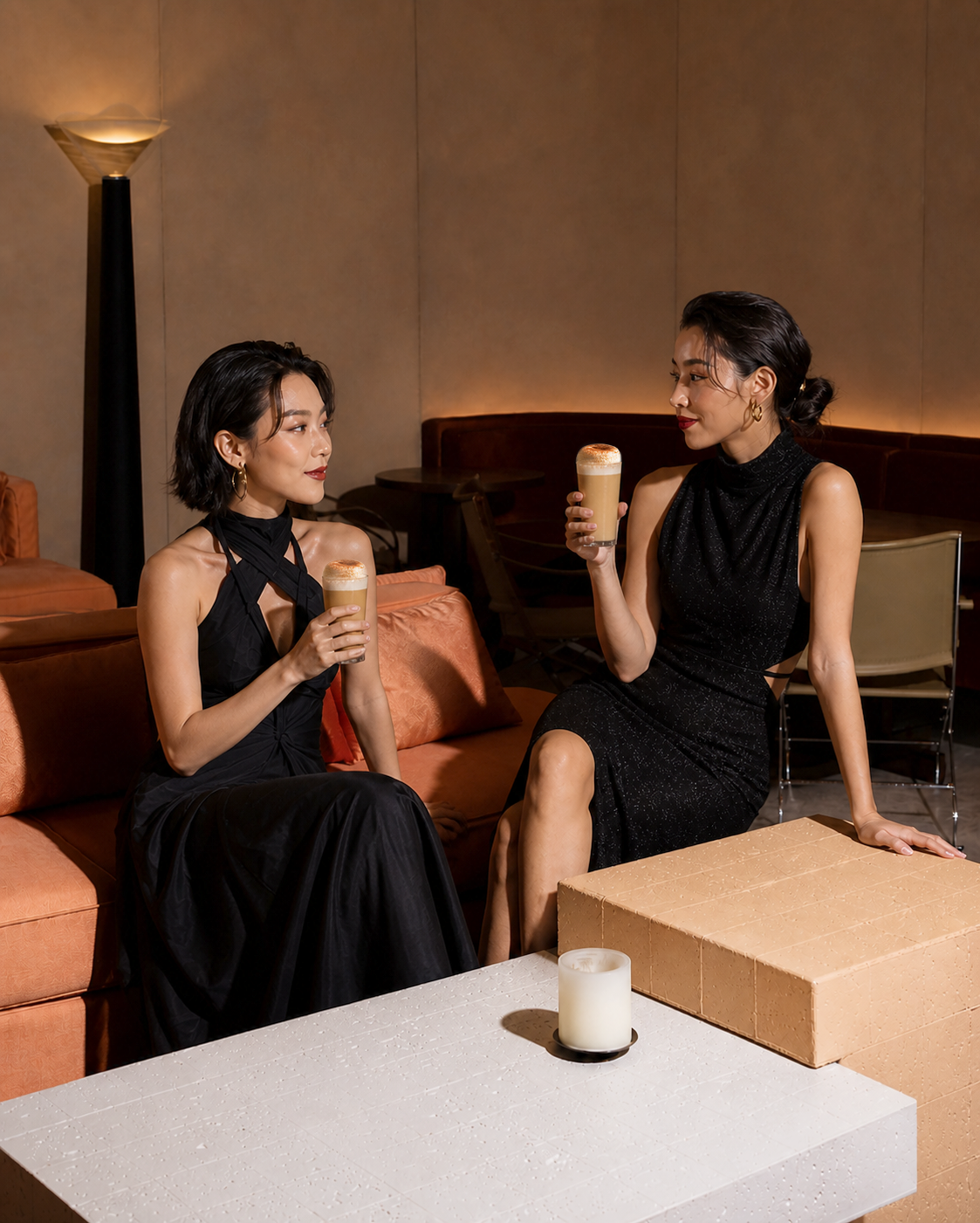
If Destination Beverage helps people find the bottle, Level33 helps people experience it in a more atmospheric way. Level33 is one of Singapore’s most distinctive drinking and dining venues, known for its elevated setting and skyline views. That makes it a compelling place for Kopi-O to appear because the liqueur’s local roots meet a very modern expression of the city.
There is something fitting about that contrast. Kopi-O begins with the everyday memory of coffee, but at Level33, it enters a setting associated with height, polish, and urban spectacle. It shows that Singapore coffee culture does not have to remain in familiar old settings to feel authentic. It can rise into a skyline bar and still keep its identity.
For The Drink Journal, this is exactly the kind of drink story worth following. A beverage is not only defined by what is inside the bottle. It is shaped by where it appears, who serves it, how people encounter it, and what kind of setting surrounds it. Kopi-O at home and Kopi-O at Level33 are not identical experiences, but they are connected by the same flavour story.
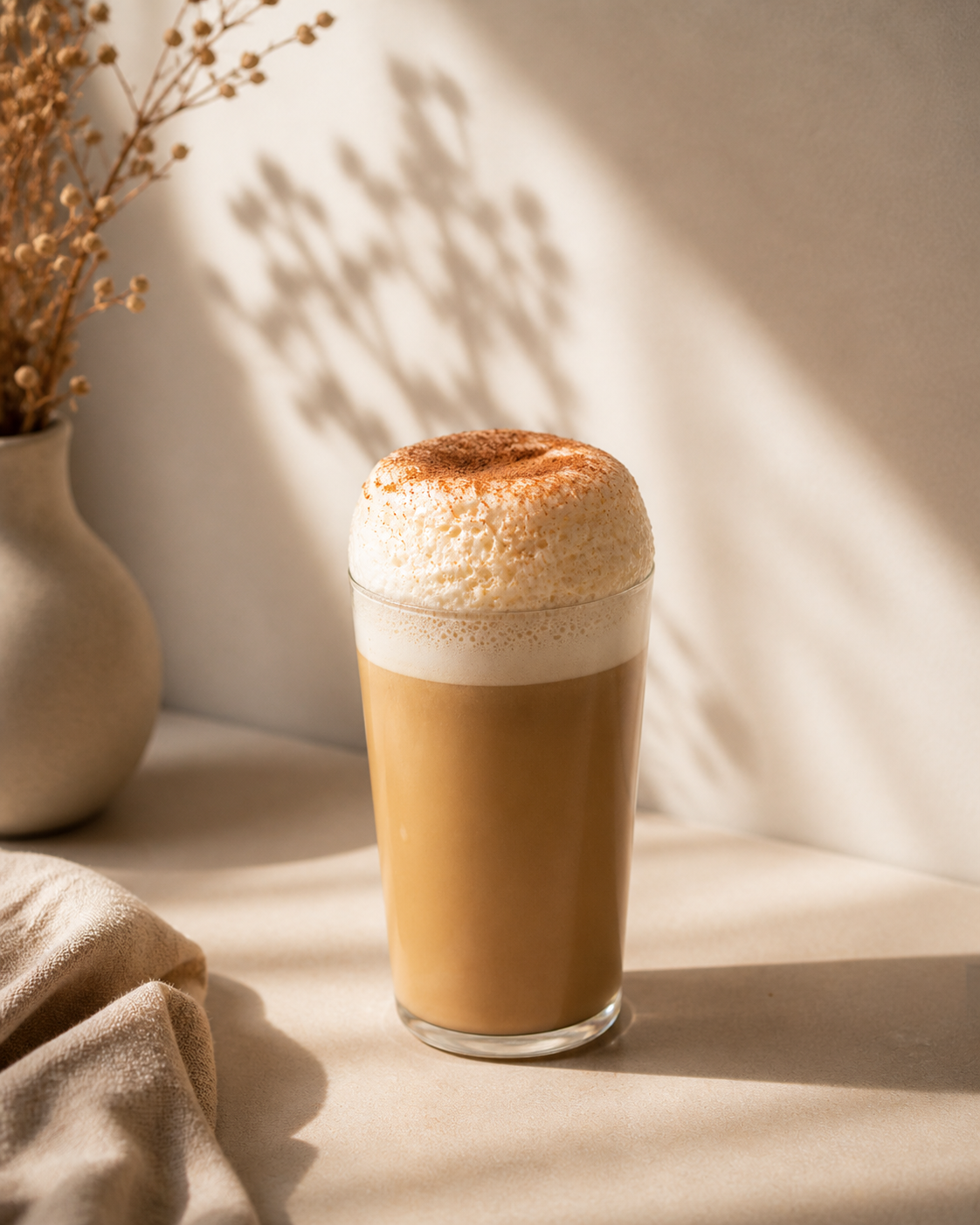
This is why Kopi-O has potential beyond novelty. It gives bartenders and drinkers something grounded to work with. In a cocktail, the Nanyang and Vietnamese bean profile can create aroma, bitterness, sweetness, and body. A coffee cocktail needs all four. Without bitterness, it becomes flat. Without aroma, it loses lift. Without body, it feels thin. Without sweetness, it may become harsh. Kopi-O gives the drink a balanced starting point.
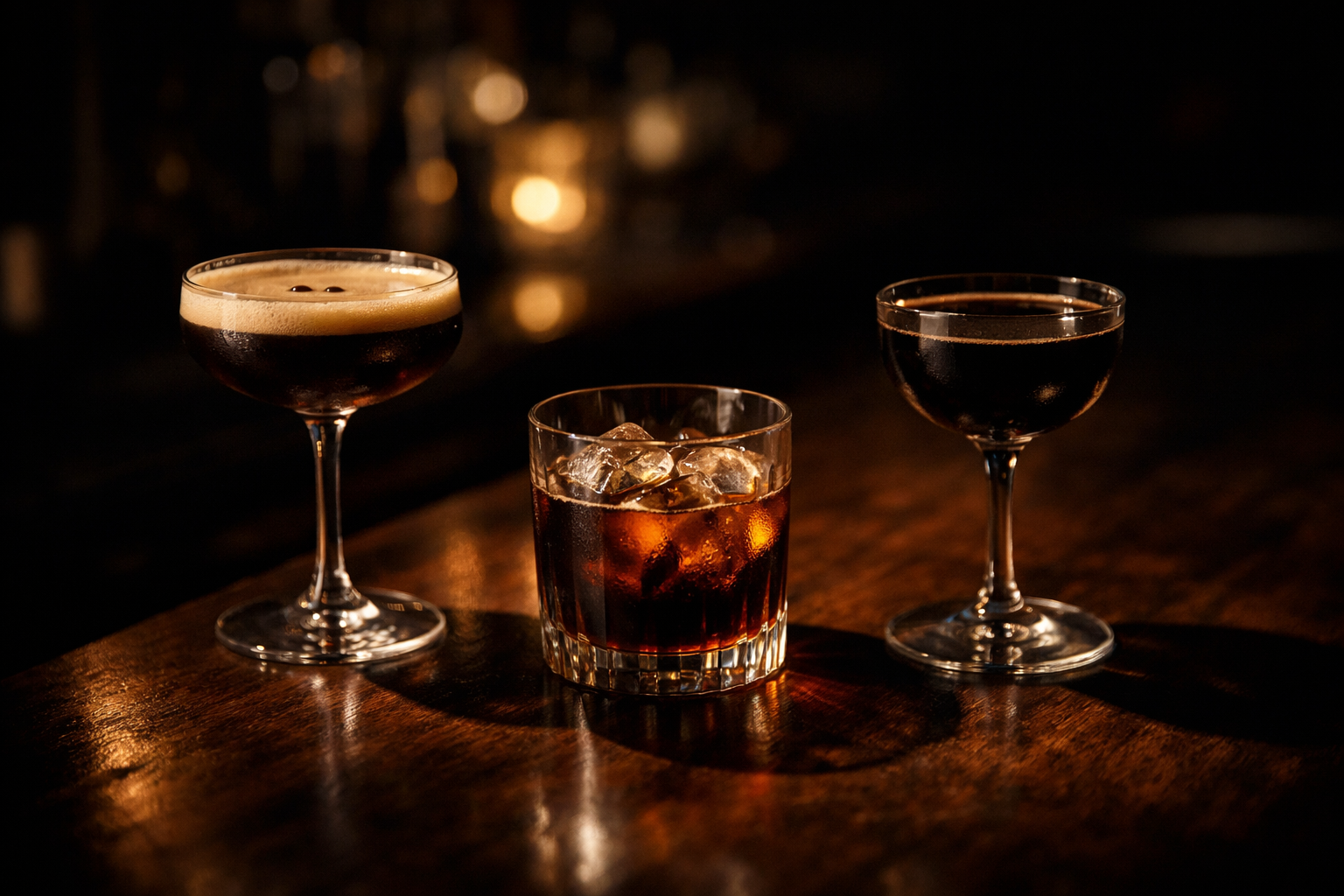
That is especially useful in a coffee martini. The coffee martini has become a modern favourite because it feels energetic, polished, and indulgent without needing to be overly complicated. With Kopi-O, the drink can take on a more Singaporean character. Instead of being simply another coffee martini, it becomes one that carries local flavour and regional coffee depth.
Where the Kopi-O Story Leads
Kopi-O’s rise is also part of a wider movement toward Singapore-made beverage identity. Through Studio Origin, the world behind Origin Crafted, the bottle sits within a creative approach to drinks that values story, flavour, and place. It is not trying to erase its roots to look premium. It becomes premium by expressing those roots clearly.
The Drink Journal has explored why Kopi-O is emerging as Singapore’s defining coffee liqueur, and that idea becomes easier to understand when you see how the bottle moves. Through Destination Beverage, Kopi-O becomes available for discovery. Through Level33, it becomes part of a venue experience. Through cocktails, it becomes part of the city’s drinking vocabulary.
For readers who want to go deeper, The Drink Journal’s editorial look at what sets Kopi-O apart from other coffee liqueurs offers more context on why identity matters in a crowded category. Coffee flavour alone is not enough. What makes Kopi-O stand out is the way it turns Singapore coffee culture into something mixable, memorable, and modern.
The Bottle, the Bar, and the City
Kopi-O is worth watching because it has more than one natural home. It belongs on a shelf through Destination Beverage. It belongs in a glass at Level33. It belongs in coffee martinis, after-dinner cocktails, and conversations about what Singapore’s drink scene can become.
For more drink culture, venue stories, and editorial beverage writing, explore The Drink Journal. Kopi-O is not just a coffee liqueur with a local name. It is a bottle that carries Singapore coffee upward, outward, and into the modern cocktail glass.