10 Cocktail Styles Every Drinker Encounters. Even If They Don’t Know the Names
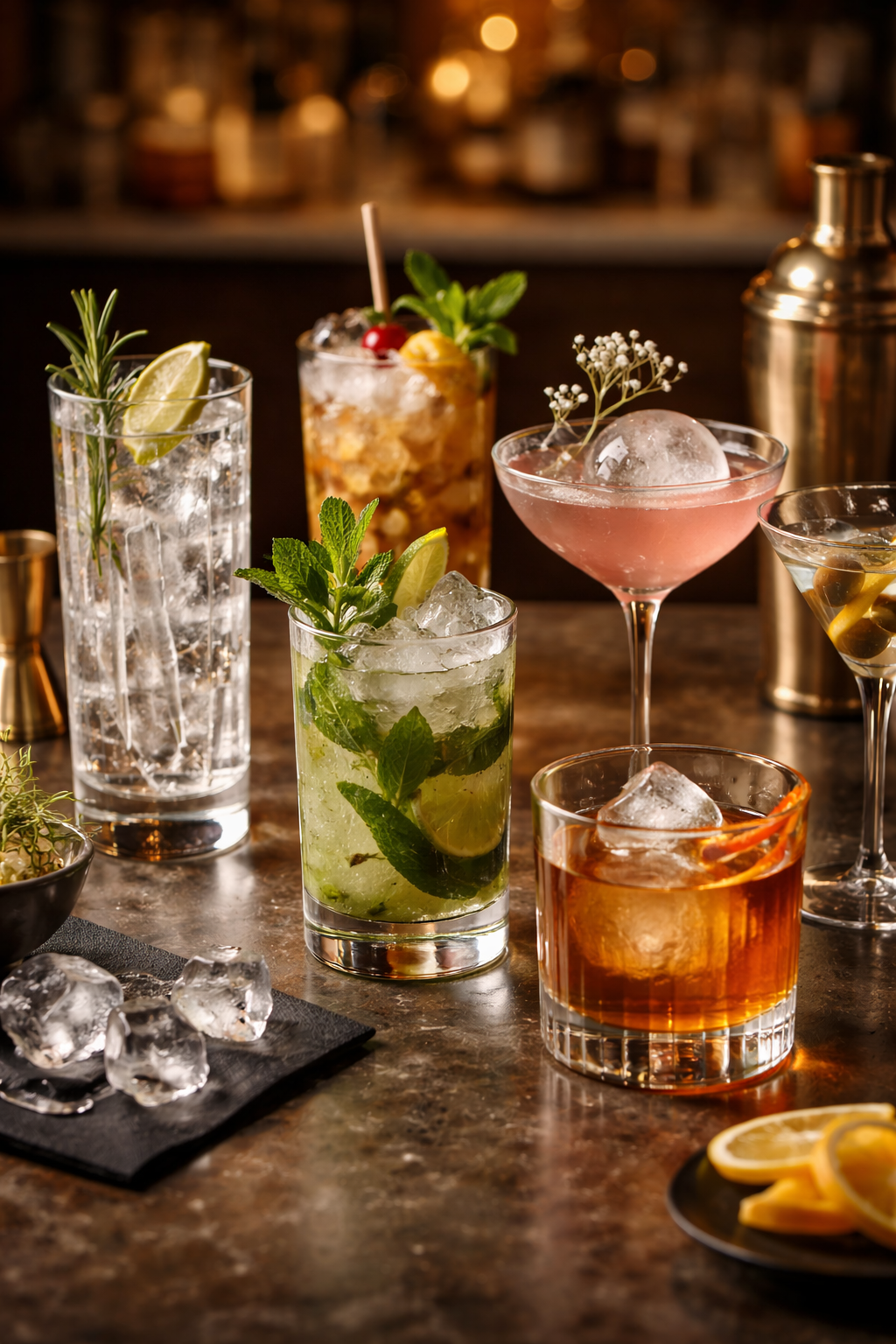
Most people think cocktails are defined by ingredients. Gin versus whiskey. Citrus versus sugar. Shaken versus stirred.
In reality, cocktails are better understood by style.
Style describes how a drink behaves in the glass. Its weight, temperature, dilution, pace, and purpose. You may not know the names of these styles, but if you drink cocktails at bars, dinners, or celebrations, you have encountered all of them.
This guide breaks down the most common cocktail styles, explains what defines each one, and shows how recognising style helps you order better drinks without memorising recipes.
1. The Sour
Sours are built on balance.
They combine spirit, acidity, and sweetness in a structure designed to feel lively but composed. When done well, sours feel refreshing without being sharp and satisfying without heaviness.
The Whiskey Sour is the reference point for this style. It teaches how sweetness stabilises acidity and how dilution softens alcohol.
Whiskey Sour, United States
If you enjoy brightness and clarity, you already enjoy sours.
2. The Spirit-Forward Stirred Drink
This style prioritises texture and integration.
These cocktails are built without citrus and rely on dilution, sweetness, and bitterness to shape alcohol. They are smooth, slow, and contemplative.
The Manhattan is a classic example, where structure matters more than intensity.
Manhattan, United States
If you enjoy sipping rather than refreshing, this style suits you.
3. The Bitter Aperitif
Bitter cocktails are designed to awaken the palate.
They lean into herbal bitterness balanced by sweetness and dilution. These drinks are often lower in perceived intensity but high in complexity.
The Negroni defines this style, offering contrast rather than comfort.
Negroni, Italy
If you enjoy drinks that feel grown-up and layered, bitterness is doing the work.
4. The Long Refreshing Highball
Highballs are about rhythm.
They are lightly structured, cold, and designed for slow drinking over time. Carbonation and ice play as big a role as the ingredients themselves.
The Aperol Spritz demonstrates how dilution and effervescence can create balance without heaviness.
Aperol Spritz, Italy
If you value refreshment over intensity, this style is everywhere you go.
5. The Champagne Cocktail
This style is celebratory by design.
Sparkling wine introduces acidity, texture, and lift. These drinks feel elegant because they are light, not because they are complex.
The French 75 shows how structure survives even when bubbles take centre stage.
French 75, France
If a drink feels festive without being heavy, you are likely in this category.
6. The Old-Fashioned Structure
This style strips cocktails down to their bones.
Spirit, sweetness, bitterness, and dilution. Nothing more. Nothing hidden.
The Old Fashioned teaches how small adjustments dramatically change perception.
Old Fashioned, United States
If you appreciate clarity and intention, this structure rewards attention.
7. The Aromatic Stirred Hybrid
Some drinks blur boundaries.
They combine bitterness, sweetness, and aromatic complexity while remaining spirit-forward. These cocktails feel layered without becoming heavy.
The Boulevardier sits comfortably in this space, bridging richness and restraint.
Boulevardier, United States
If you enjoy depth without aggression, this hybrid style fits.
8. The Low-ABV Aperitivo
These cocktails are designed for conversation.
Lower alcohol, gentle bitterness, and long dilution create drinks that encourage pacing rather than intensity.
The Americano exemplifies this approach, offering complexity without weight.
Americano, Italy
If you want flavour without fatigue, this style delivers.
9. The Seasonal Modern Classic
Modern classics follow structure but allow creativity.
They respect balance while introducing new flavour pairings. These drinks often feel familiar yet surprising.
Understanding these helps you navigate contemporary menus with confidence.
20 Must-Try Modern Classics
If you enjoy discovery without chaos, this style appeals.
10. The Cultural Signature Drink
Some cocktails represent place.
They reflect local taste, climate, and history rather than universal balance rules. These drinks teach context as much as flavour.
The Singapore Sling is one such example, where style is inseparable from identity.
Singapore Sling, Singapore
If you drink to understand culture, these styles matter most.
Why Style Matters More Than Ingredients
When you understand cocktail styles, menus become readable.
You no longer need to recognise every ingredient. You simply ask yourself how you want the drink to feel. Bright or deep. Light or heavy. Fast or slow.
Style is the quiet language behind every good cocktail.
If you want to go further, this guide connects structure, etiquette, and intention from both sides of the bar.
The Ultimate Guide to Bar Etiquette for Guests and Bartenders
Final Thought
You already know these styles.
You just did not have names for them.
Once you recognise them, ordering well becomes intuitive rather than intimidating.
👉 Explore more cocktail guides, archives, and drinking insight at
The Drink Journal