
Tea Collection: Nepal Golden Tips (Nepal)
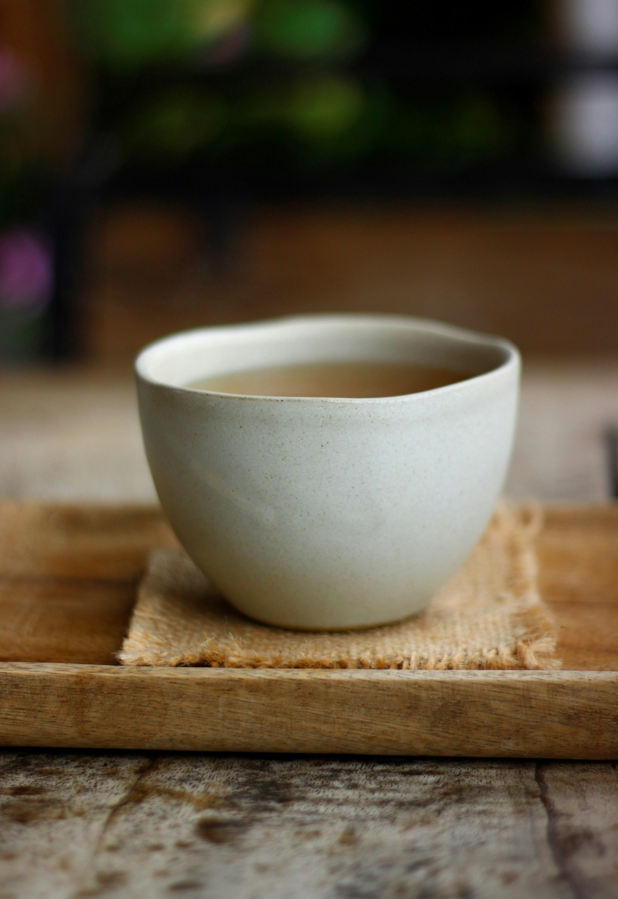
What is Nepal Golden Tip Tea?
High in the cool, thin air of the Himalayas, Nepal Golden Tips tea is shaped by altitude, sunlight, and silence. These golden-tipped leaves — delicate, downy, and caramel-scented — are harvested from high-elevation gardens where the cold air slows growth and concentrates flavour.
The result is a black tea that feels almost weightless: sweet without heaviness, brisk without sharpness, floral without fragility.
In the cup, it pours a glowing amber-gold, carrying honeyed notes that drift into warm stonefruit and gentle spice. It shares a lineage with Darjeeling, yet expresses itself with a quieter voice, softer edges, and a deeper sweetness. To drink it is to taste the stillness of mountains.
For context, many tea lovers compare Nepal Golden Tips with other elevated or aromatic teas. The bright muscatel of Darjeeling First Flush offers a familiar reference point, while the layered nectar-like character of Oriental Beauty shows how altitude and environment shape sweetness differently. Floral teas such as Jasmine Silver Needle reveal another avenue of delicacy, where aroma carries as much weight as taste.
For deeper exploration, guides like The Art of Asian Tea provide cultural context, while bold black teas such as Golden Monkey demonstrate how Chinese craftsmanship expresses richness through darker, earthier tones. Even a cup like Sencha offers an enlightening contrast in texture, brightness, and finish.
Nepal Golden Tips is a tea of quiet confidence — elegant, high-altitude, and quietly radiant.
Ingredients
2–3 g Nepal Golden Tips
200 ml water (90–95°C)
Equipment Needed
Teapot or gaiwan
Kettle
Strainer (if needed)
Method
Heat water to 90–95°C.
Add the golden-tipped leaves to your teapot.
Pour gently over the leaves.
Steep for 2–3 minutes.
Decant fully to prevent bitterness.
Re-steep once or twice — later infusions develop softer sweetness.
Notes
Nepal Golden Tips sits somewhere between aromatic black tea and delicate oolong in character, making it an excellent introduction for drinkers who enjoy nuance without intensity.
If you prefer more floral profiles, the airy elegance of Osmanthus Oolong is a natural progression.
If you want darker complexity, consider exploring earthy traditions through grounded teas like Hibiscus as a contrast in acidity and boldness.
Drink it slowly. High-elevation teas reveal their beauty in quiet whispers.
