Why Bars Are Choosing Kopi-O for Coffee-Forward Cocktails and Desserts
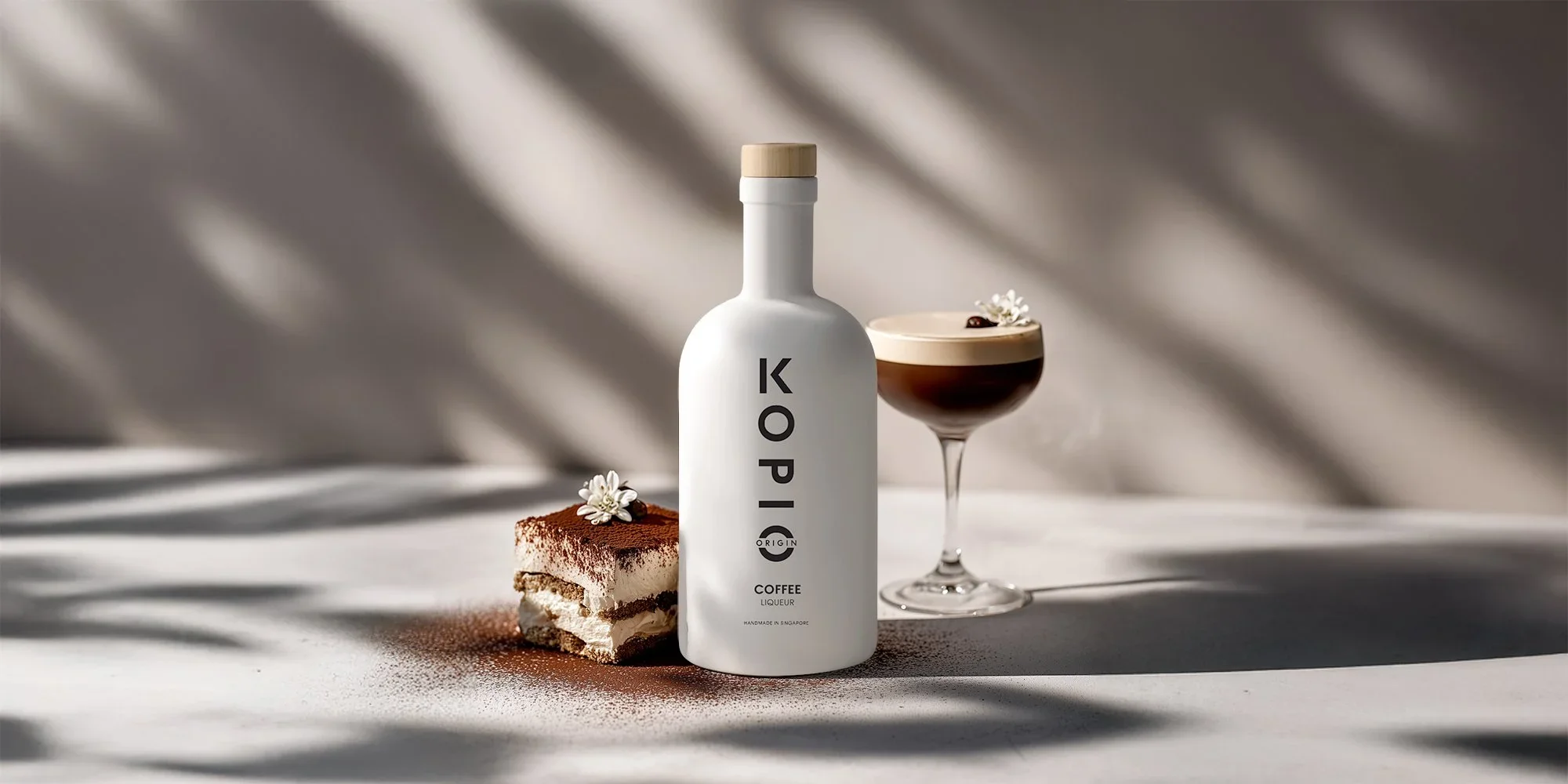
Coffee has moved well beyond the espresso martini moment. In today’s bars, coffee-forward cocktails and desserts are treated with the same care as wine pairings or classic aperitifs. They are lighter, more precise, and far more intentional than before. As this shift continues, the ingredients behind these drinks matter more than ever.
That is where Kopi-O is finding its place.
Across hotel bars, cocktail lounges, and café-bar hybrids, Kopi-O is being chosen not because it is loud or trendy, but because it fits the way modern bars actually work. It respects coffee, behaves predictably in recipes, and transitions naturally from the bar to the kitchen.
Coffee-forward no longer means sweet-heavy
One of the biggest changes in recent years is how bars define coffee-forward. The category has moved away from heavy sweetness and toward balance. Coffee now plays a structural role rather than acting as a dessert shortcut.
Kopi-O supports this shift. Its profile keeps coffee at the centre, with sweetness held in check. This allows bartenders to create drinks that feel composed rather than indulgent. Guests still get depth and aroma, but without the fatigue that often comes with overly sweet coffee liqueurs.
This approach aligns closely with the kind of bar programs frequently explored on The Drink Journal, where drinks are shaped by restraint and clarity. Looking at venues like Vesper Bangkok highlights how modern cocktails increasingly prioritise structure over spectacle.
Why bartenders trust it in cocktails
Behind the bar, reliability is everything. A coffee liqueur needs to perform consistently across different builds, service styles, and times of day. Kopi-O earns trust because it behaves like a well-considered ingredient rather than a wildcard.
In coffee-forward cocktails, it integrates smoothly with base spirits, adds depth without flattening acidity, and keeps the drink feeling light on its feet. Bartenders do not need to compensate for excess sugar or artificial notes. The flavour simply works.
This ease of integration is especially valuable in venues that rotate menus frequently or balance classic cocktails with seasonal specials. Kopi-O can move from a signature drink to a supporting role without losing its identity.
You see similar flexibility in café-driven bars like The Fitz Café & Rooftop Bar in Melbourne, where coffee culture and cocktail craft overlap seamlessly.
From bar to plate, desserts that feel grown-up
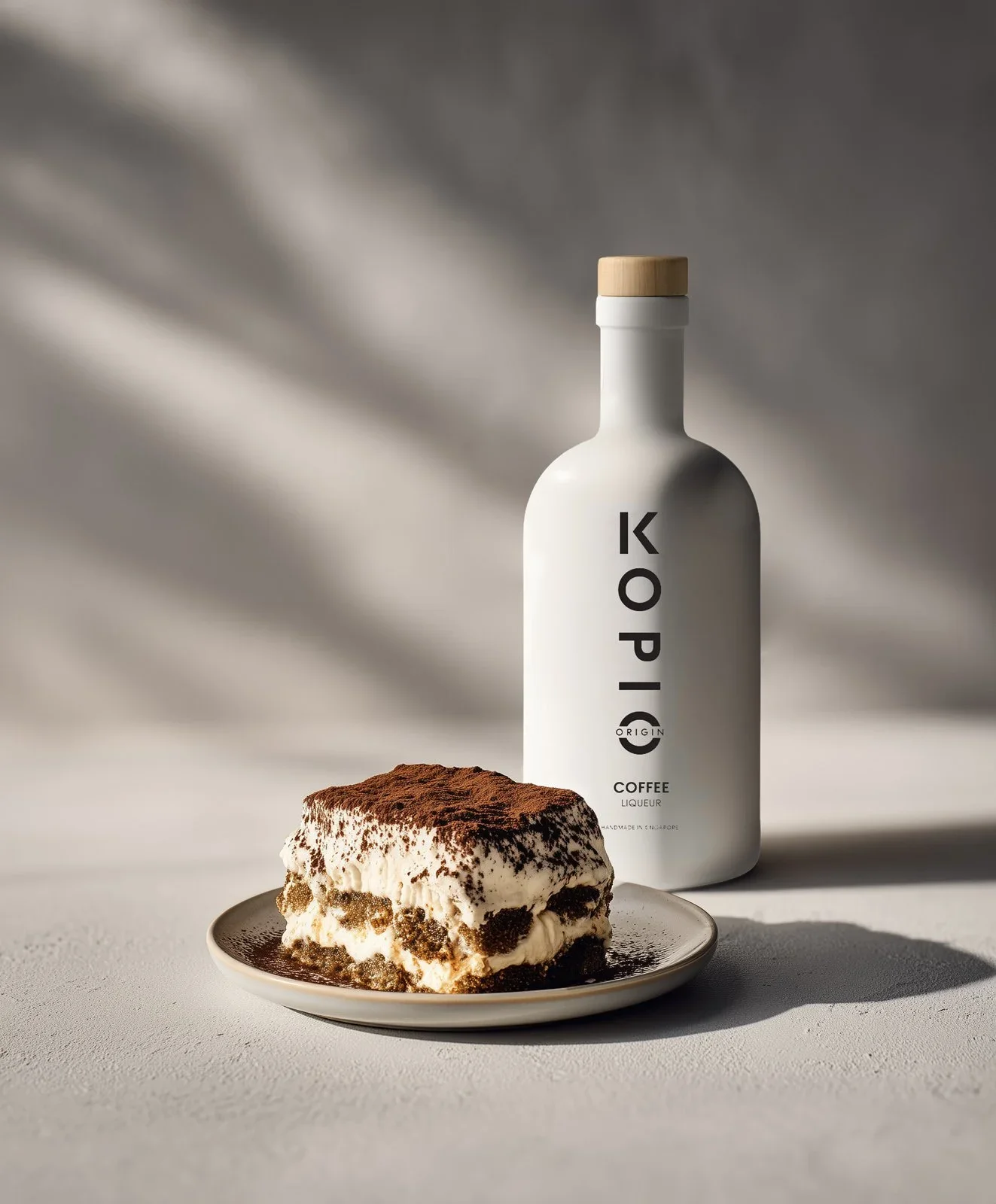
Kopi-O’s appeal is not limited to cocktails. Increasingly, bars and kitchens are using it in desserts where coffee flavour needs to be present but controlled. Pastry chefs value how it deepens chocolate, complements cream-based elements, and adds aroma without tipping desserts into bitterness or sugar overload.
In this context, Kopi-O behaves less like a liqueur and more like a flavour tool. A small amount goes a long way, allowing desserts to feel refined rather than boozy. This makes it ideal for after-dinner menus where guests want a sense of closure without heaviness.
This bar-to-kitchen crossover mirrors broader trends documented on The Drink Journal, where drinks culture increasingly intersects with food culture. Coffee is no longer confined to the cup or the glass. It moves fluidly between both.
If you enjoy seeing how flavours travel from cocktails to desserts and back again, take time to explore the stories and features on The Drink Journal. It is where these overlaps are often first observed.
A flavour that reflects real coffee culture
Part of why Kopi-O resonates so strongly is that it reflects how people actually experience coffee. In Singapore, coffee is everyday and deeply familiar. Expectations are high. A coffee liqueur that does not taste like coffee simply does not hold attention for long.
Kopi-O avoids that pitfall by keeping its identity grounded. The aroma, bitterness, and depth feel recognisable rather than stylised. This gives both bartenders and chefs confidence. They know what they are working with from the first taste.
That grounded approach is reinforced by Origin Crafted’s wider creative philosophy, developed through its work at Studio Origin. The emphasis is on refinement and intention rather than novelty.
Why bars are committing to it long-term
Choosing a coffee liqueur is rarely about one drink. Bars look for ingredients that can earn a permanent place on the shelf. Kopi-O is increasingly seen as that kind of product.
It works across coffee-forward cocktails, spiked coffee serves, desserts, and even as a neat or over-ice pour. For hotel bars and multi-concept venues, this versatility reduces complexity without sacrificing quality.
Access also plays a role. Through Origin Crafted’s trade and retail platform, Kopi-O is positioned clearly as a professional, bar-ready option rather than a limited novelty.
A natural choice rather than a statement piece
Bars are not choosing Kopi-O to make a statement. They are choosing it because it fits. It fits the flavour direction of modern coffee-forward cocktails. It fits desserts that aim to be elegant rather than excessive. And it fits the operational reality of contemporary bars.
In a crowded category, that quiet suitability is powerful.
To see why Kopi-O continues to earn its place in coffee-forward cocktails and desserts alike, explore the spirit directly at Kopi-O here, then continue discovering how coffee shapes modern drinks and dining culture through the ongoing features on The Drink Journal.