
Oolong vs Black Tea: What Is the Difference?
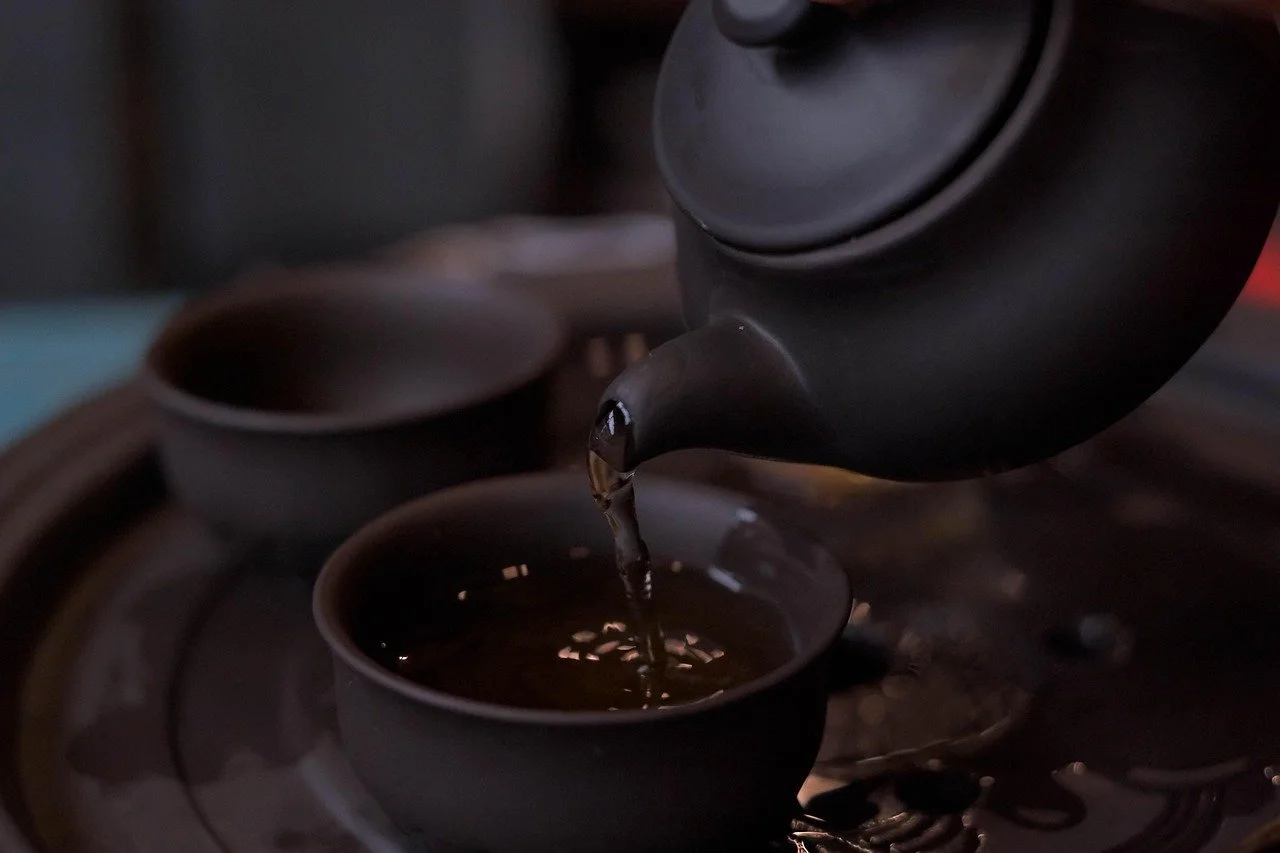
Oolong tea and black tea differ mainly in oxidation. Oolong is partially oxidised and can range from floral and creamy to roasted and fruity, while black tea is fully oxidised and usually offers deeper notes of malt, spice, caramel and dried fruit. Neither is better; the choice depends on whether you prefer complexity and variation or richness and consistency.
Although oolong tea and black tea are often placed next to each other on tea menus, they represent different stages of the tea-making process rather than different plants. Both originate from Camellia sinensis, yet careful decisions during oxidation, rolling and drying create two distinct drinking experiences.
Oolong occupies the broad middle ground between green and black tea. Some styles are remarkably light and floral, while others approach black tea in colour and body. Black tea, by comparison, completes the oxidation process, giving it its familiar dark leaves and fuller flavour profile.
Oolong and Black Tea at a Glance
- Partially oxidised
- Floral, creamy, fruity or roasted
- Excellent for multiple infusions
- Wide range of flavour styles
- Fully oxidised
- Malty, caramel, spice and dried fruit
- Usually fuller-bodied
- Often enjoyed with milk
What Is Oolong Tea?
Oolong tea is one of the most diverse categories in the tea world. Producers intentionally stop oxidation at different stages, allowing each tea to develop its own balance of sweetness, aroma and body. A lightly oxidised Taiwanese mountain oolong may taste floral and creamy, while a roasted Wuyi rock tea can display mineral, nutty and toasted characteristics.
Because the leaves are often tightly rolled, they gradually unfurl over successive brews. Many tea drinkers appreciate this evolving character, with each infusion revealing different aromas and textures.
What Is Black Tea?
Black tea undergoes almost complete oxidation before drying. During this transformation the leaves darken, developing richer sugars, tannins and aromatic compounds that create the familiar flavours associated with breakfast teas and many classic afternoon blends.
Depending on its origin, black tea may express notes of malt, cocoa, honey, raisins, citrus or baking spices. It generally produces a fuller-bodied cup than most oolongs and remains balanced even when served with milk or sugar.
Which Tea Matches Your Taste?
Select the flavour profile you enjoy most.
The Main Differences
Oxidation
The greatest difference is oxidation. Oolong may be anywhere from lightly to heavily oxidised, while black tea completes the process. This produces darker leaves, deeper colour and a fuller body in black tea.
Flavour
Oolong is known for its variety. One tea may resemble flowers and fresh cream, while another leans towards roasted nuts and ripe fruit. Black tea is generally more consistent, offering richer flavours of malt, caramel, spice and dried fruit.
Brewing Style
Oolong is frequently brewed using several short infusions, allowing its flavour to evolve gradually. Black tea is more commonly prepared in one longer infusion, making it convenient for everyday drinking.
Body
Black tea usually feels fuller and more structured on the palate. Oolong can range from light and silky to surprisingly rich, depending on how it was produced, but it often places greater emphasis on aroma than weight.
Follow the Tea Leaf
Discover how craftsmanship shapes flavour
Tea is only one expression of careful beverage craftsmanship. Continue exploring through Destination Beverage or learn how modern drinks are developed at Studio Origin.
Which One Should You Choose?
Choose oolong if you enjoy discovering subtle changes between infusions and appreciate floral, fruity or roasted aromas. Its diversity makes it one of the most rewarding categories for curious tea drinkers.
Choose black tea if you prefer a fuller, richer cup that performs consistently every morning and pairs naturally with breakfast or milk-based preparations.
Many tea enthusiasts eventually keep both styles at home. Oolong often suits slower tasting sessions, while black tea excels as a dependable everyday favourite.
The Final Verdict
Oolong tea and black tea begin with the same leaves but follow different production paths. Oolong offers remarkable diversity through partial oxidation, while black tea delivers deeper flavour through full oxidation.
Neither category defines quality on its own. The producer, origin, harvest and brewing method all contribute to the finished cup. That relationship between ingredient, craftsmanship and experience remains central to The Drink Journal and its exploration of contemporary beverage culture.
One More Pour
Continue exploring modern beverage culture
Read more about TDJ's editorial philosophy, or discover how coffee traditions continue evolving through Kopi-O.
Frequently Asked Questions
Is oolong tea stronger than black tea?
Not necessarily. Black tea usually tastes fuller, but some heavily oxidised or roasted oolongs can feel equally rich depending on the producer and brewing method.
Does black tea have more caffeine than oolong?
There is no universal rule. Caffeine varies according to cultivar, leaf grade, harvest and brewing method, so either tea may contain more in the finished cup.
Which tea is better for beginners?
Black tea is often easier to brew consistently. Oolong rewards experimentation and offers a wider range of flavour styles once drinkers become familiar with different oxidation levels.
Can oolong tea be served with milk?
It can, although most oolong teas are enjoyed without milk so their layered aromas remain more noticeable. Black tea is generally the more common choice for milk.
Do oolong and black tea come from different plants?
No. Both originate from Camellia sinensis. Their differences come primarily from processing, especially the degree of oxidation used during production.
 Nicholas lin
I own Restaurants. I enjoy Photography. I make Videos. I am a Hungry Asian