Cocktail Archive: Corpse Reviver No. 2 (United Kingdom)
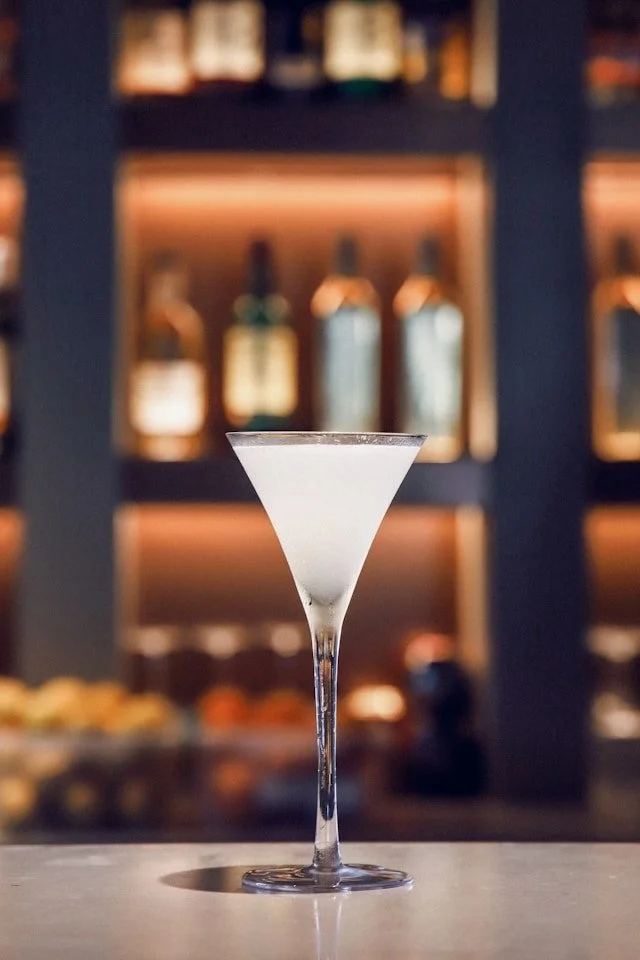
The Corpse Reviver No. 2 exists for a very specific moment. Late morning rather than late night. Recovery rather than indulgence. It is brisk, aromatic, and almost startling in its clarity, a cocktail designed to reset the senses rather than overwhelm them.
First appearing in early twentieth-century British cocktail books, the Corpse Reviver No. 2 belongs to a family of so-called reviver drinks intended to sharpen the mind and steady the body. Gin provides structure. Lemon juice cuts cleanly through the palate. Orange liqueur adds brightness. Absinthe, used sparingly, lifts the entire drink with a cool, herbal edge that lingers long after the glass is empty.
Despite its theatrical name, this is a disciplined cocktail. Everything happens quickly. The aroma rises immediately. The first sip is piercing and cold. The finish is dry, almost austere, leaving the mouth refreshed rather than coated. In spirit, it shares more with precision-built classics like the Sidecar than with richer revival-style drinks.
Where citrus-forward cocktails such as the Whiskey Sour lean into softness and familiarity, the Corpse Reviver No. 2 chooses sharpness and contrast. It demands attention, but only briefly. This is not a drink meant to linger over for an hour. It does its work, then steps aside.
Ingredients
Gin
Orange liqueur
Fresh lemon juice
Absinthe
Ice
Equipment Needed
Shaker
Jigger
Strainer
Coupe glass
Ice
Method
Rinse a chilled coupe lightly with absinthe and discard the excess.
Fill a shaker with ice.
Add gin, orange liqueur, and fresh lemon juice.
Shake firmly until well chilled.
Strain into the prepared coupe and serve immediately.
Notes
Restraint is essential. Absinthe should perfume the glass, not dominate the drink. When overused, it flattens the balance and masks the citrus clarity that defines the Corpse Reviver No. 2.
This cocktail sits comfortably alongside other bright, structured classics such as the French 75, though without the softness of bubbles. It also appeals to drinkers who appreciate bitterness and herbal lift, much like fans of the Negroni, but in a far leaner form.
Presentation matters. A well-chilled glass and clean strain preserve the drink’s sharp profile. For insight into minimal garnish and visual restraint, the art of garnishing offers useful guidance. To understand how drinks like this are captured visually without losing their simplicity, how to photograph cocktails for social media provides helpful context.
To explore more classic cocktails and their stories, visit The Drink Journal or learn more about the editorial philosophy behind these archives on our About page.