Coffee Classics: Caffè Shakerato (Italy)
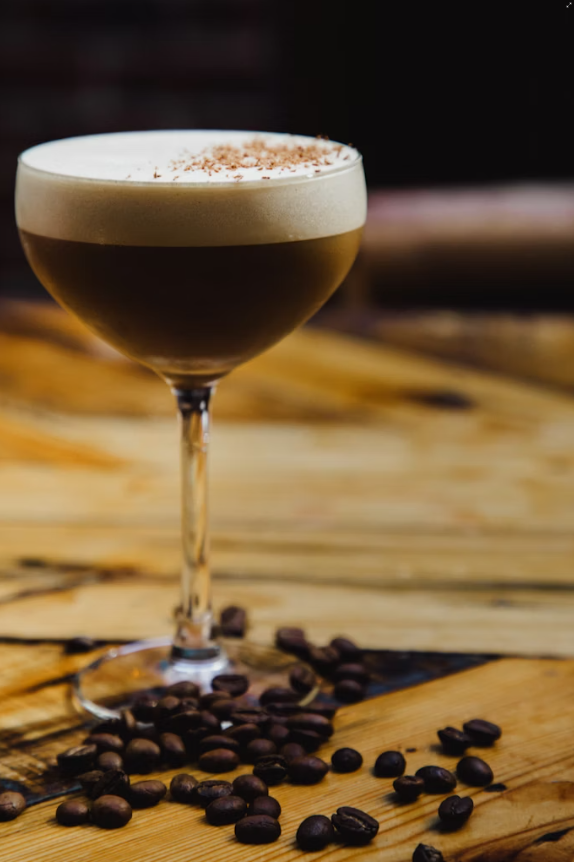
Caffè Shakerato is Italy’s answer to the warm months, a drink that takes the intensity of espresso and transforms it into something bright, chilled, and silky. Unlike most iced coffees, the Shakerato is built on movement. Espresso is shaken with ice until it becomes frothy and aerated, its texture shifting from dense and concentrated to light and almost creamy. The drink is refreshing yet still unmistakably Italian, preserving the espresso’s strength while softening its edges with cold air and fine bubbles.
The Shakerato’s origins lie in Italian bars where baristas treated espresso as both tradition and craft. The technique feels more like a cocktail ritual than a coffee method. Espresso is poured into a shaker, ice rattles sharply in metal, and within seconds the mixture transforms. This sense of performance carries a similar artistry to the thoughtful brewing described in The Perfect Espresso, where precision is not just technique but expression.
The resulting beverage has a smooth, glossy foam layer that sits gently on top of the liquid. The taste remains vibrant, with a cool brightness that accentuates the espresso’s natural sweetness. When served in a stemmed glass, the Shakerato feels elegant despite its simplicity. It belongs to the same lineage as other refined Italian drinks, where clarity and restraint shape the entire experience. For readers exploring global coffee culture, its place among classic beverages is captured beautifully in 20 Must-Try Classic Coffee Beverages From Around the World.
Light shaking.
Cold glass.
Espresso turned into a breeze.
Ingredients
For one serving:
1 shot freshly brewed espresso (25 to 30 ml)
1 cup ice cubes
1 to 2 teaspoons simple syrup or sugar, optional
Optional additions:
A splash of vanilla syrup
A few drops of orange zest oil
A pinch of cocoa powder for garnish
Equipment Needed
Essential
Espresso machine
Produces the crema and intensity needed for proper foam formation.Cocktail shaker
Metal is ideal because it chills quickly and creates finer bubbles.Strainer
Ensures the final drink is smooth and free of ice fragments.
Optional but Useful
Stemmed glass
Enhances presentation and preserves foam structure.Scale and timer
Helps pull consistent espresso shots.Fine-mesh sieve
For a double strain to achieve extra silky texture.
Method
1. Brew the Espresso
Prepare a fresh espresso shot using a fine grind and balanced extraction.
The espresso must be hot when added to the shaker as it dissolves sugar more easily and aerates better.
2. Prepare the Shaker
Fill the cocktail shaker with 1 cup of ice.
If using sugar instead of syrup, add it directly into the hot espresso before pouring into the shaker.
3. Shake Vigorously
Pour the espresso over the ice.
Seal tightly and shake hard for 10 to 15 seconds.
The goal is aeration, not dilution.
You will feel the shaker frost over, indicating proper chilling.
4. Strain into a Glass
Using both the shaker’s built-in strainer and an optional fine sieve, pour the drink into a stemmed glass.
A thick, velvety foam should rise naturally to the top.
5. Serve Immediately
Shakerato foam settles quickly, so enjoy it right away.
Garnish, if desired, with a light dusting of cocoa or a twist of citrus.
Notes
Always shake with fresh, hot espresso. Cold espresso produces weaker foam.
Simple syrup dissolves more evenly than granulated sugar during shaking.
Lighter roast espresso tends to create brighter, fruitier Shakerati, while darker roasts produce deeper cocoa notes.
Curious about the role of technique in brewing? Explore How to Choose the Right Brewing Method.
For a deeper foundation in espresso craft, revisit The Perfect Espresso.
Those who enjoy refined café culture may appreciate the quiet precision found in Ogawa Coffee.