Cocktail Archive: Clover Club (United States)
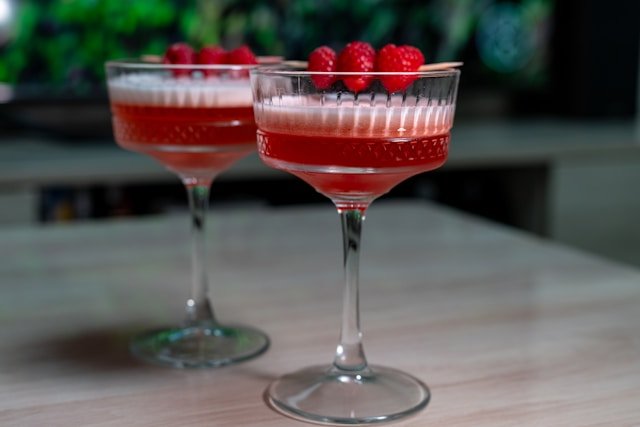
The Clover Club is softness with structure. Pale, lightly perfumed, and quietly confident, it presents itself gently while holding firm beneath the surface. This is a cocktail that rewards attentiveness, one that feels social and composed at the same time.
Named after a late nineteenth century Philadelphia gentlemen’s club, the Clover Club reflects an era when drinks were designed to encourage conversation rather than command attention. Gin provides backbone. Fresh citrus keeps the drink bright. Raspberry adds colour and fragrance rather than sweetness. Egg white gives the drink its signature texture, creating a smooth, cloudlike body that settles softly on the palate.
Despite its delicate appearance, the Clover Club is not fragile. Its balance places it closer to classic sours like the Whiskey Sour than to playful dessert drinks. The difference lies in texture and tone. Where the Whiskey Sour feels direct, the Clover Club feels measured and social.
It also shares lineage with other pre-Prohibition classics such as the Martini in its reliance on quality gin and disciplined proportions, though the experience here is far more expressive and rounded.
Ingredients
Gin
Fresh lemon juice
Raspberry syrup
Egg white
Ice
Equipment Needed
Shaker
Jigger
Strainer
Coupe glass
Ice
Method
Add gin, lemon juice, raspberry syrup, and egg white to a shaker without ice.
Shake firmly to emulsify the egg white.
Add ice and shake again until well chilled.
Strain into a chilled coupe glass.
Serve immediately.
Notes
Texture defines the Clover Club. The dry shake is essential, as it creates the smooth, velvety mouthfeel that distinguishes the drink. Raspberry should provide aroma and colour rather than overt sweetness. Freshness matters more than intensity.
Drinkers who appreciate citrus-driven classics like the French 75 often find the Clover Club appealing for its brightness, while those drawn to herbal structure may recognise echoes of balance found in the Negroni, expressed here in a gentler form.
Presentation should remain restrained. The drink’s pale blush and fine foam need no decoration. For guidance on minimal, respectful finishing touches, the art of garnishing offers useful perspective. To capture its texture and softness visually, how to photograph cocktails for social media provides helpful insight.
To continue exploring classic cocktails and their cultural roots, visit The Drink Journal or learn more about the editorial philosophy behind these archives on our About page.