15 Ways Cafés Signal Quality Before You Even Taste the Coffee
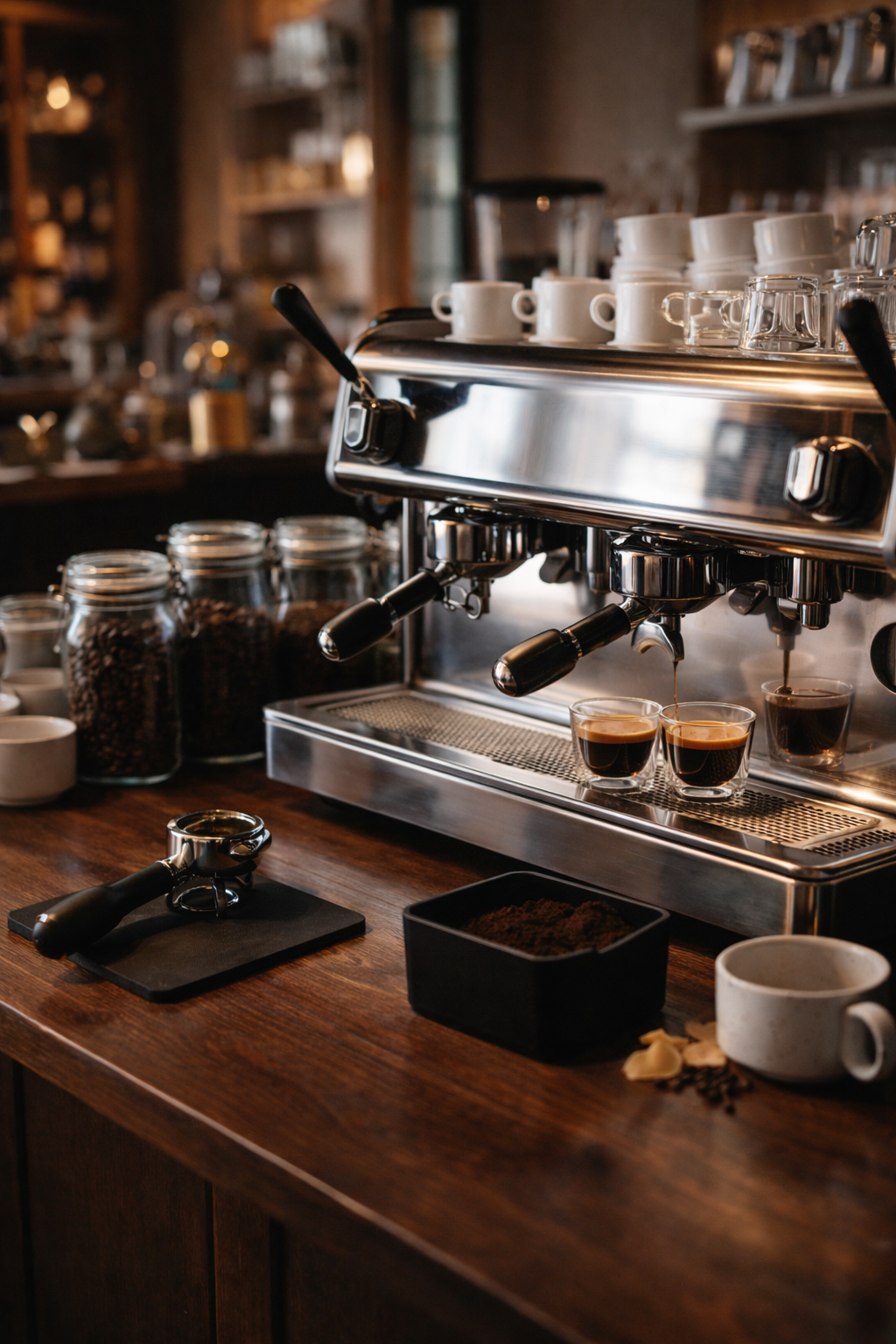
Great cafés rarely need to convince you they are good.
They show you.
Long before the first sip, subtle signals communicate care, intention, and craft. These signals are not about luxury or price. They are about consistency, restraint, and respect for the drinker. Once you learn to notice them, choosing a good café becomes far easier.
This guide breaks down fifteen quiet signals cafés give off before coffee ever reaches your cup.
1. The Menu Is Focused, Not Exhaustive
A short menu suggests confidence.
Cafés that do everything rarely do anything well. Focused menus indicate clarity of vision and operational discipline.
This is especially noticeable when you know how to read coffee menus properly.
How to Read a Coffee Menu Like a Local Anywhere in the World
2. Coffee Equipment Looks Used, Not Displayed
Well-used equipment tells a story.
Machines with wear marks signal daily use, not showroom decoration. Clean does not mean untouched.
This quiet honesty matters.
3. Baristas Taste, Adjust, and Retaste
Quality cafés treat brewing as a live process.
When staff taste espresso and make adjustments, it signals attention rather than routine. Coffee is not set-and-forget.
4. Milk Texture Is Consistent Across Drinks
Even milk tells the truth.
Uniform microfoam across different orders suggests training and repetition. Inconsistent texture points to rushed service or weak standards.
Classic drinks reveal this immediately.
Flat White, Australia/New Zealand
5. The Space Sounds Calm, Even When Busy
Noise reveals stress.
Good cafés move with rhythm rather than chaos. Workflow feels intentional, not reactive.
This atmosphere supports better coffee almost by default.
6. Cups Are Warm Before Coffee Arrives
Cold cups kill aroma.
Pre-warmed cups show attention to detail and respect for temperature, even before you taste anything.
7. The Coffee Smells Alive
A good café smells like coffee, not burnt residue.
Fresh grinding, active brewing, and clean equipment create aroma that signals freshness instantly.
8. Staff Can Answer Simple Questions Clearly
You do not need a lecture.
Staff who explain origins or brewing methods simply and confidently signal internal understanding rather than memorised scripts.
This approach builds trust quietly.
9. Water Is Treated as an Ingredient
Water stations, filtration systems, and attention to mineral balance indicate seriousness.
Cafés that invest in water invest in flavour.
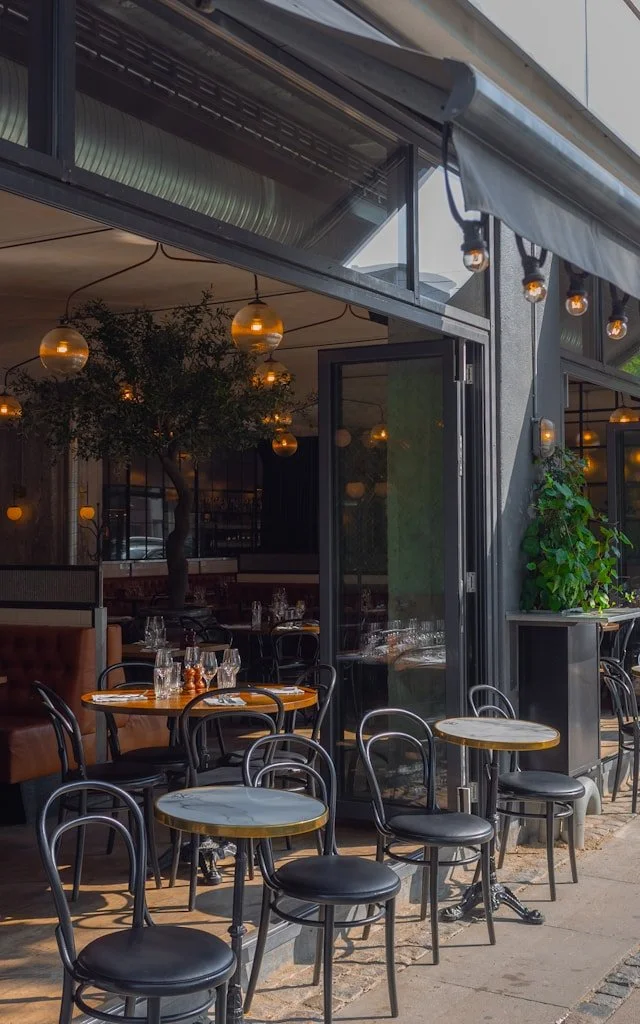
10. Seating and Lighting Encourage Staying
Quality cafés want you to drink slowly.
Comfortable seating and thoughtful lighting suggest confidence in the product. There is no rush to turn tables.
This aligns with cafés built around experience, not volume.
Where Coffee Becomes Theatre: A Morning at Industry Beans Newstead
11. Pastries Match the Coffee Philosophy
Food reflects priorities.
Carefully sourced pastries signal the same values applied to coffee. Mismatched quality suggests divided attention.
12. Espresso Is Served Without Apology
Good cafés do not over-explain.
When espresso is served simply and confidently, it suggests trust in preparation rather than defence against criticism.
Understanding espresso culture helps read this signal clearly.
The Perfect Espresso, Italy
13. Regulars Order Simply
Watch what locals drink.
When regulars order straightforward drinks without modification, it often means the café delivers consistency.
14. Cleanliness Extends Beyond the Obvious
Counters may shine, but look closer.
Clean grinders, tidy milk jugs, and organised workspaces reflect discipline under pressure.
15. The Café Feels Like It Knows What It Is
Identity matters.
Cafés with a clear sense of self rarely chase trends aggressively. They evolve without losing coherence.
Places like Onest in Milan exemplify this quiet confidence.
Onest: Milan’s Neighbourhood Nest for Coffee Purists
Final Thought
Good cafés reveal themselves before you ever drink.
Once you learn to notice these signals, disappointment becomes rare and discovery becomes intentional.
👉 Explore more café guides, coffee culture, and thoughtful drinking at
The Drink Journal