Tea Collection: Ceylon Black Tea (Sri Lanka)
What is Ceylon Black Tea?
Ceylon Black Tea is Sri Lanka’s gift to the world — a tea born in the island’s misty highlands and bathed in tropical sunlight.
When the British introduced tea to Ceylon in the 19th century, they found a terroir that produced a brisk, bright, citrus‑tinged cup unlike anything from China or India. Today, the island’s estates spread across elevations from low coastal plains to heights above 1,800 metres, and each brings its own nuance: low‑grown teas lean rich and full‑bodied; mid‑elevation teas are balanced and coppery; high‑grown teas, like those from Nuwara Eliya, are light, floral, and almost lemony.
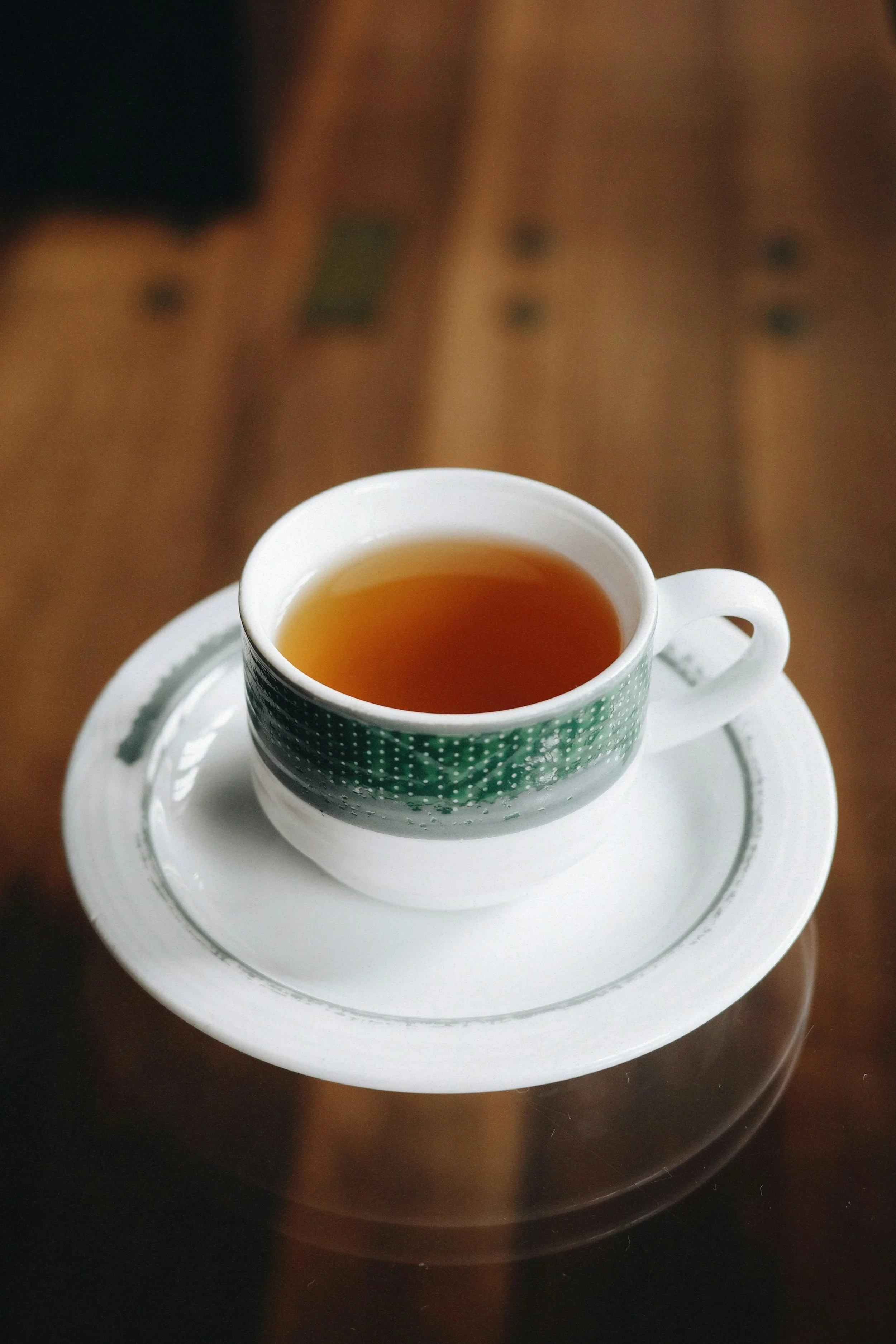
Steeping Ceylon is like watching sunrise over a tea garden. The leaves unfurl slowly, releasing an aroma of citrus peel, fresh bread, and warm wood. The liquor glows deep amber, its briskness softening into sweetness as it cools. Unlike the malty density of Assam or the wine‑like depth of Keemun, Ceylon carries a refreshing clarity that makes it the backbone of many breakfast blends and an ideal partner for a splash of milk or a twist of lemon. Its brightness also invites comparison with fruit‑scented teas such as Lychee Black Tea, which take Ceylon’s inherent liveliness and amplify it with sweet aromatics.
The story of Ceylon is inseparable from Sri Lanka’s landscape. Tea gardens blanket steep hillsides, their rows following the contours of the land like ripples. Monsoon rains nurture the bushes; cool mountain winds slow their growth, concentrating flavour. Local pluckers harvest with rhythmic precision, selecting the top two leaves and a bud to ensure both strength and fragrance. For those who want to explore how climate and craft shape flavour, guides such as The Art of Asian Tea and The Modern Tea Lover’s Guide offer an essential foundation.
Ceylon Black Tea is a study in balance — strength without heaviness, brightness without sharpness. It invites contemplation and conversation, morning or afternoon, with or without milk.
It tastes like sunlight striking dew‑damp leaves; like citrus orchard breezes brushing over stone walls; like the moment when a long road bends and opens onto a valley of tea.
Ingredients
3–4 g Ceylon black tea (loose leaf)
200 ml fresh water at 95 °C
Equipment Needed
Teapot or gaiwan
Kettle
Fine strainer
Porcelain or ceramic cup
Method
Heat water to 95 °C.
Warm your teapot or gaiwan with a splash of hot water and discard the rinse.
Add the Ceylon tea leaves; inhale the citrus‑warm aroma.
Pour water over the leaves and steep for 3–4 minutes for a medium‑strength cup, or up to 5 minutes for a stronger body.
Strain fully into a cup.
Optionally add a splash of milk or a twist of lemon.
Re‑infuse once with a slightly longer steep for a softer second cup.
Notes
Ceylon’s clean, brisk character makes it highly versatile. It pairs well with milk, lemon, or honey, and anchors many classic blends. When tasted beside Jasmine Silver Needle, its body and brightness reveal how different styles express floral notes — one naturally from the leaf, the other through scenting.
If you’re curious about how oxidation and harvest season shape flavour, the honeyed complexity of Oriental Beauty offers a fascinating counterpoint. And for guidance on technique, How to Choose the Right Brewing Method helps refine variables like water temperature and vessel choice, ensuring that Ceylon’s brightness and subtle citrus shine through.
Ceylon Black Tea embodies the soul of Sri Lanka: resilient, welcoming, and radiant.
A cup is both history and place — a reminder that flavour is a journey across mountains, mists, and time.