How to Adjust Grind Size to Fix Sour or Bitter Coffee
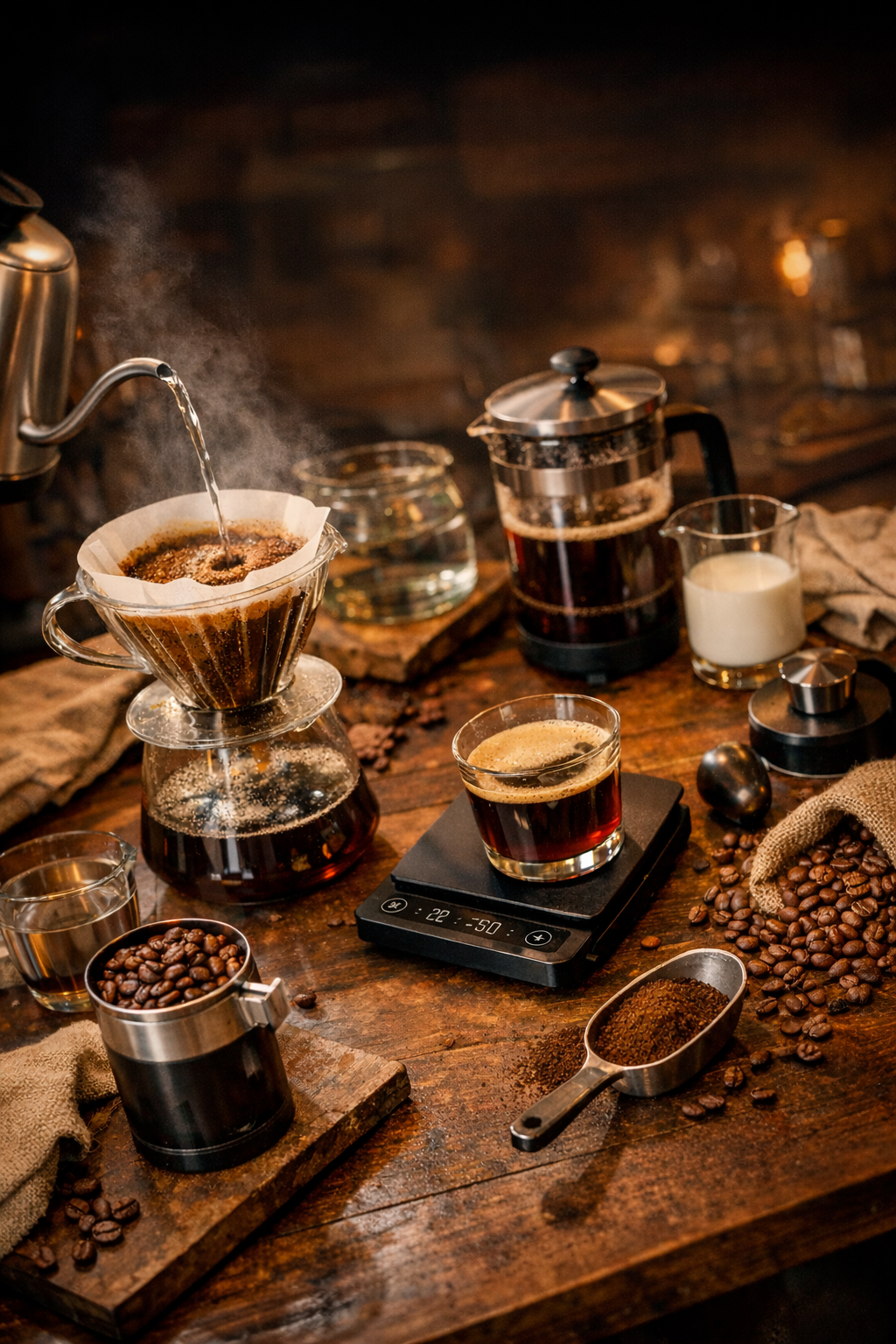
Few things are more frustrating than brewing a cup of coffee that almost tastes right. The aroma is promising, the colour looks good, but the first sip is either sharply sour or aggressively bitter. In most cases, the problem is not the beans, the water, or your equipment. It is the grind size.
Grind size controls how quickly water extracts flavour from coffee. Learn to adjust it calmly and deliberately, and you can fix the majority of brewing issues without buying new gear or chasing new beans.
This guide follows the same philosophy you will find throughout The Drink Journal: small adjustments, informed taste, and respect for process over panic.
First, Understand What Sour and Bitter Actually Mean
Before changing anything, it helps to know what your palate is telling you.
Sour coffee usually tastes sharp, thin, or underdeveloped. It can feel almost citrusy in an unpleasant way, lacking sweetness or depth.
Bitter coffee tends to feel harsh, drying, or hollow. The bitterness lingers long after the sip, often overwhelming any natural character the coffee might have had.
These flavours are not random. They are signals of under-extraction and over-extraction, respectively.
If you want a broader foundation on how coffee flavour develops from bean to cup, our Beginner’s Guide to Understanding Specialty Coffee is a helpful companion.
Why Grind Size Matters More Than You Think
Grind size determines the surface area of coffee exposed to water.
Coarser grinds slow extraction because water passes through quickly. Finer grinds increase contact time, allowing water to pull out more flavour compounds.
When grind size is mismatched to your brewing method, flavour balance collapses. This is why the same beans can taste wildly different when brewed on different equipment.
If you are unsure which brewing method suits your setup best, How to Choose the Right Brewing Method breaks this down clearly.
If Your Coffee Tastes Sour, Go Finer
Sour coffee is almost always under-extracted. The water has not had enough time or contact to pull out sugars and balancing compounds.
The simplest fix is to grind slightly finer.
Do not jump several settings at once. Move one small step finer, brew again, and taste. You are looking for increased sweetness and body, not heaviness.
This applies whether you are making filter coffee, immersion brews, or espresso-based drinks. Even classics like a Cappuccino rely on correct grind size to avoid sharpness hiding beneath the milk.
If Your Coffee Tastes Bitter, Go Coarser
Bitterness usually means the coffee has been over-extracted. Too much time or surface area has allowed harsher compounds to dominate.
In this case, grind slightly coarser.
Again, adjust gradually. A small step coarser can dramatically clean up the cup, allowing sweetness and aroma to reappear.
This is especially important for longer brews and milk-forward styles such as Café au Lait, where bitterness becomes more obvious as the drink cools.
Match Grind Size to Brewing Method
While fine-tuning happens by taste, each brewing method has a general grind range that works best.
Espresso requires a fine grind to control flow and pressure. Pour-over methods favour medium to medium-fine grinds for clarity and balance. Immersion methods tolerate coarser grinds, offering softness rather than precision.
If you regularly switch between styles like filter brews and modern café drinks such as a Flat White, marking your grinder settings can save frustration and wasted coffee.
Change One Variable at a Time

When fixing flavour issues, resist the urge to change everything.
Keep your coffee dose, water temperature, and brewing time consistent. Adjust only the grind size, then taste again. This isolation is what allows you to learn cause and effect rather than guessing.
Over time, you will begin to predict how a grind change will affect flavour before you even taste it. That intuition is the real goal.
When Grind Size Isn’t the Problem
If repeated grind adjustments do not resolve sourness or bitterness, the issue may lie elsewhere. Old beans, unsuitable brewing methods, or mismatched equipment can all mask good grind work.
Before changing gear or abandoning a coffee you enjoy, it’s worth revisiting fundamentals such as extraction style and equipment choice. Our guide on how to choose the right brewing method helps clarify whether your setup is actually suited to the flavour profile you’re trying to achieve.
For a broader reset, returning to a beginner’s guide to understanding specialty coffee often reveals small mismatches that grind size alone cannot fix.
A Calm Way to Better Coffee
Adjusting grind size is not about control. It is about listening.
When you treat sourness and bitterness as feedback rather than failure, brewing becomes quieter and more intuitive. Each small adjustment teaches you how water, time, and coffee interact — and that understanding travels with you, no matter where or how you brew.
Continue Exploring
You may enjoy learning How to Control Brewing Time to Improve Coffee Clarity, or stepping away from numbers entirely with How to Brew Coffee Consistently Without Measuring Everything.
For more thoughtful drink guides, café culture, and brewing insight, return to The Drink Journal and explore at your own pace.