Coffee Classics: Syrian Murra Coffee (Syria)
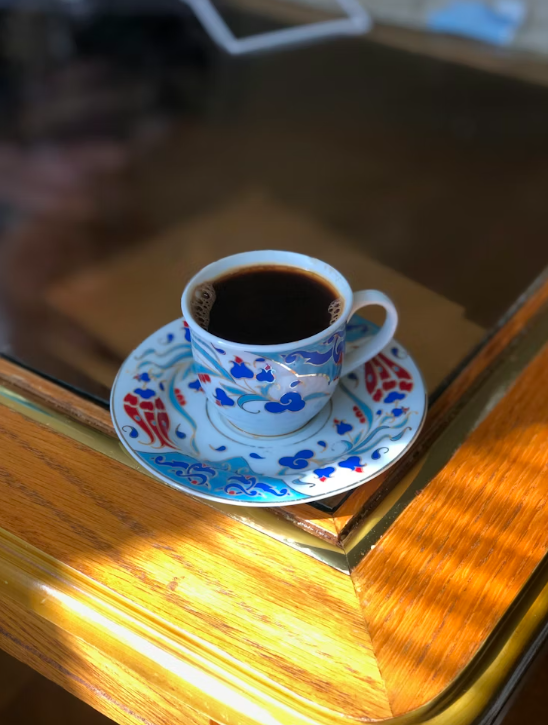
Syrian Murra Coffee is one of the boldest and most austere traditional coffees in the Levant. The name “Murra” comes from the Arabic word for “bitter,” and the drink embraces that character with intention. It is prepared without sugar, brewed strong, and often served in small amounts that concentrate its flavour. Murra is not meant to be sweetened or softened. Instead, it reflects a style of coffee rooted in clarity, strength, and respect for tradition.
Murra begins with finely ground dark coffee mixed with a touch of cardamom. The spice is subtle, almost hidden, acting as a quiet lift on the aroma rather than a defining flavour. The coffee is simmered slowly in a pot until the surface trembles and the grounds begin to settle. Unlike lighter brews found across the region, Murra keeps its intensity throughout the cup. It is a drink for deliberate moments, often shared during conversations where quiet pauses carry as much weight as words.
In Syria, coffee holds a place of dignity. Murra is served to guests in small finjan cups, each pour steady and careful. The calm, attentive preparation is reminiscent of the patient craftsmanship you find in cafés such as Yugen Tea Bar in South Yarra, where ritual and atmosphere shape the experience as much as the drink itself. Murra has that same sense of intention. Nothing is hurried. Nothing is hidden. The coffee is strong, direct, and honest.
To understand why the bitterness is purposeful rather than harsh, guides like The Perfect Espresso help explain how extraction, roast level, and grind size shape flavour. Murra uses a powder-fine grind and slow simmer to draw out density and aroma without burning the brew. The result is a cup that feels deep and resonant, a coffee that holds its own place in Levantine hospitality.
Dark aroma rising.
A still moment before the pour.
A cup that speaks plainly.
Ingredients
For two to three small servings:
2 teaspoons very finely ground dark-roast coffee
1 cup water (240 ml)
1 pinch ground cardamom
No sugar (traditional)
Optional:
A second pinch of cardamom for a more lifted aroma
A single clove for those who prefer a gentle spice shadow
Equipment Needed
Essential
Small pot or cezve-like vessel
Encourages slow simmering and proper settling of the grounds.
Finjan cups
Small, handleless cups that concentrate aroma and control serving size.
Fine coffee grinder
Murra requires a powder-fine texture to create its characteristic depth.
Optional
Strainer
Not traditional, but can be used for a cleaner cup.
Thermometer
Helps keep the brew below boiling to prevent harshness.
Method
1. Prepare the Coffee and Cardamom
Use a fine grind, similar to Turkish coffee.
Mix the coffee with a pinch of cardamom in a small bowl.
This keeps the spice evenly distributed before brewing.
2. Heat the Water
Pour 1 cup of water into your pot and warm on medium heat.
Do not allow it to boil. Small bubbles around the edges mean the water is ready.
3. Add the Coffee Mixture
Add the coffee and cardamom into the warm water.
Stir once to incorporate, then let it rest.
Do not stir again. Allow the grounds to settle naturally during heating.
4. Slow Simmer
Let the coffee heat slowly until the surface rises slightly.
Remove from heat just before it bubbles over.
Repeat this rise-and-rest cycle once more for deeper flavour.
5. Rest and Clarify
Let the coffee sit for 1 minute so the grounds fall to the bottom.
The liquid should appear dark, glossy, and dense.
6. Serve in Small Cups
Pour gently into finjan cups.
Avoid disturbing the grounds.
Serve immediately while the aroma is strongest.
Notes
Murra is intentionally bitter. Do not add sugar unless serving someone unfamiliar with the tradition.
Overheating creates harsh bitterness. Gentle simmering preserves depth while maintaining the signature sharpness.
For sensory comparisons across brewing approaches, explore How to Choose the Right Brewing Method.
The respectful, deliberate serving style reflects the same quiet attentiveness celebrated in Yugen Tea Bar in Australia.
Murra pairs well with conversation, contemplation, and the rhythm of a slower morning or evening.