What Happens When Coffee Liqueurs Are Used the Way Bars Actually Use Them
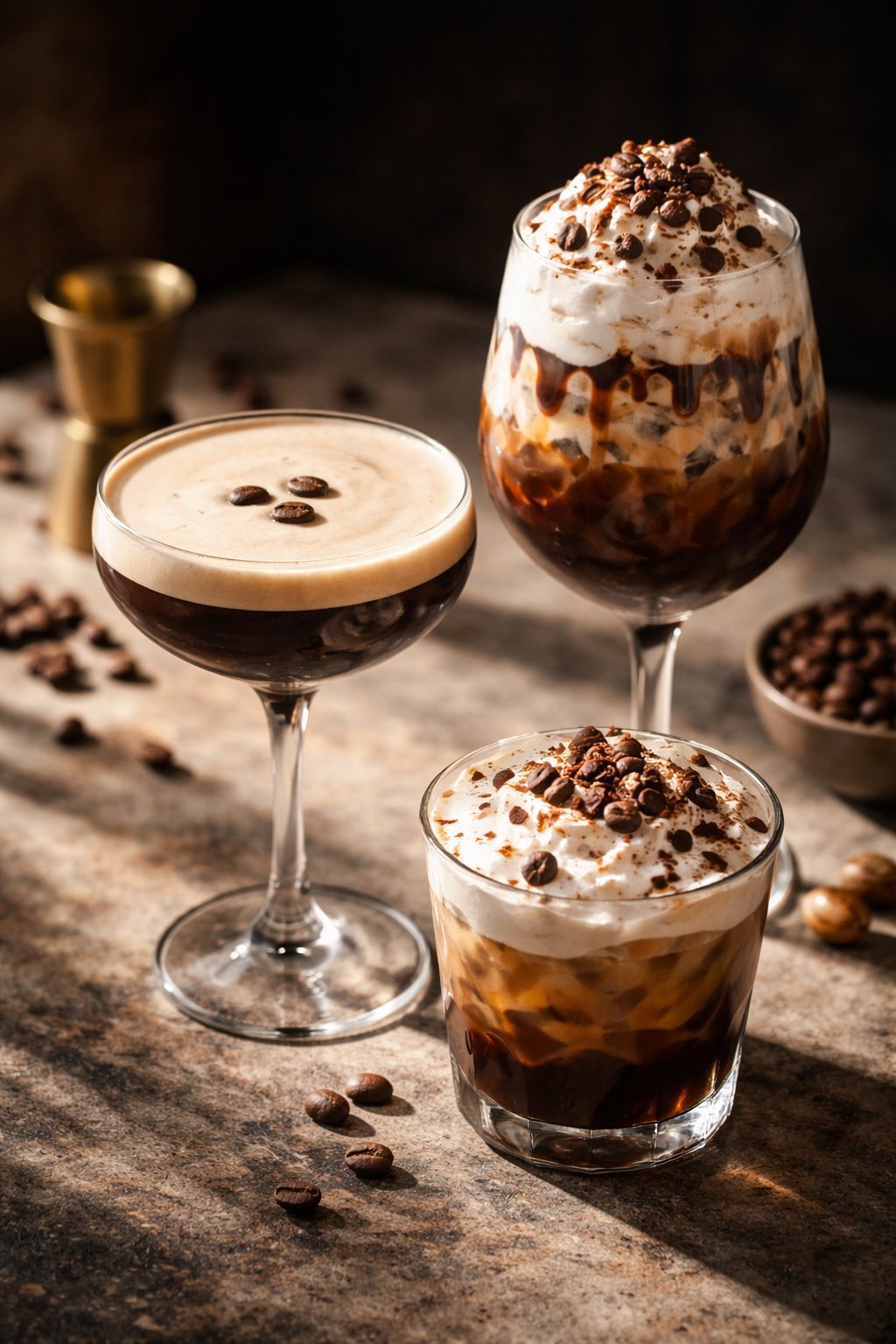
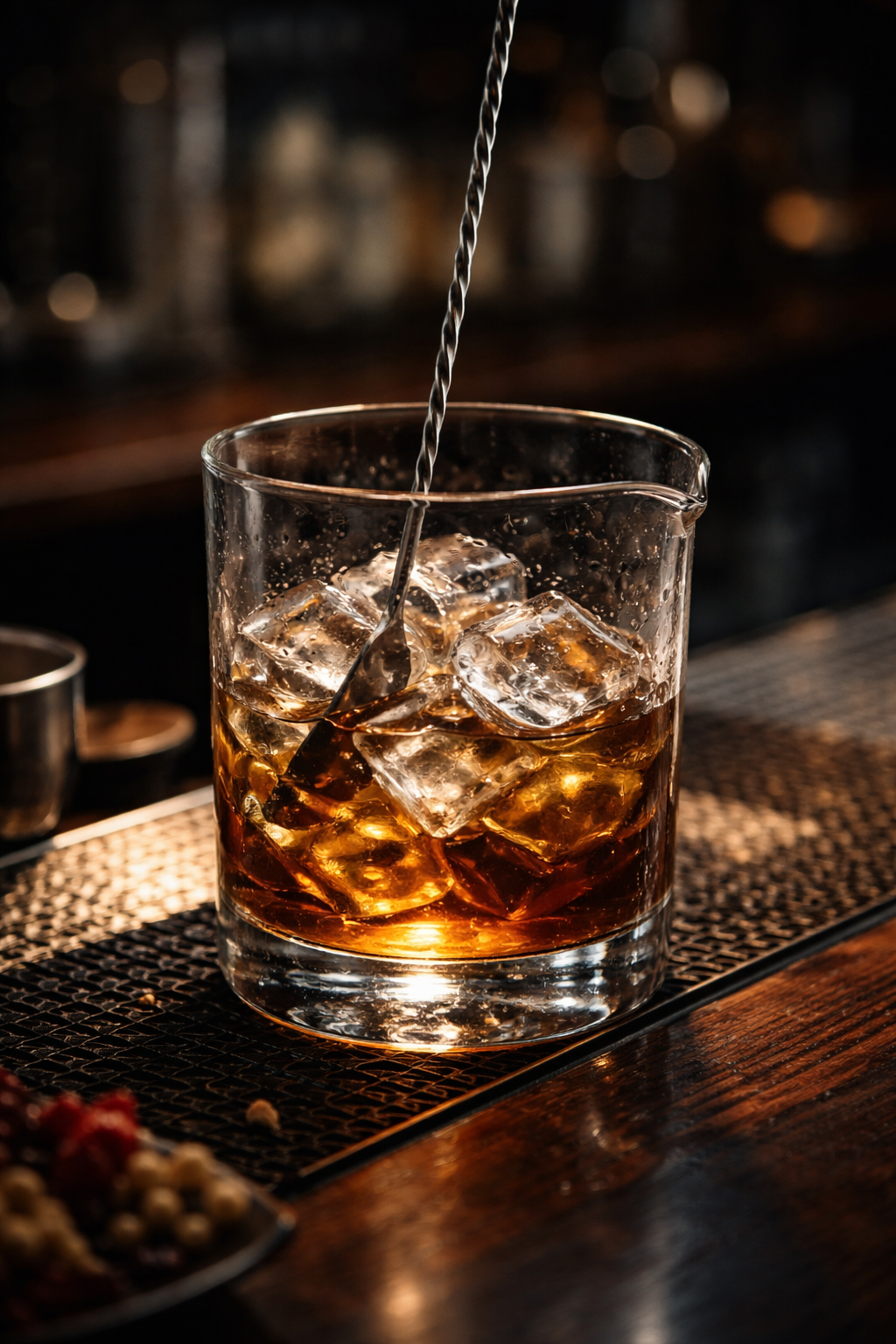
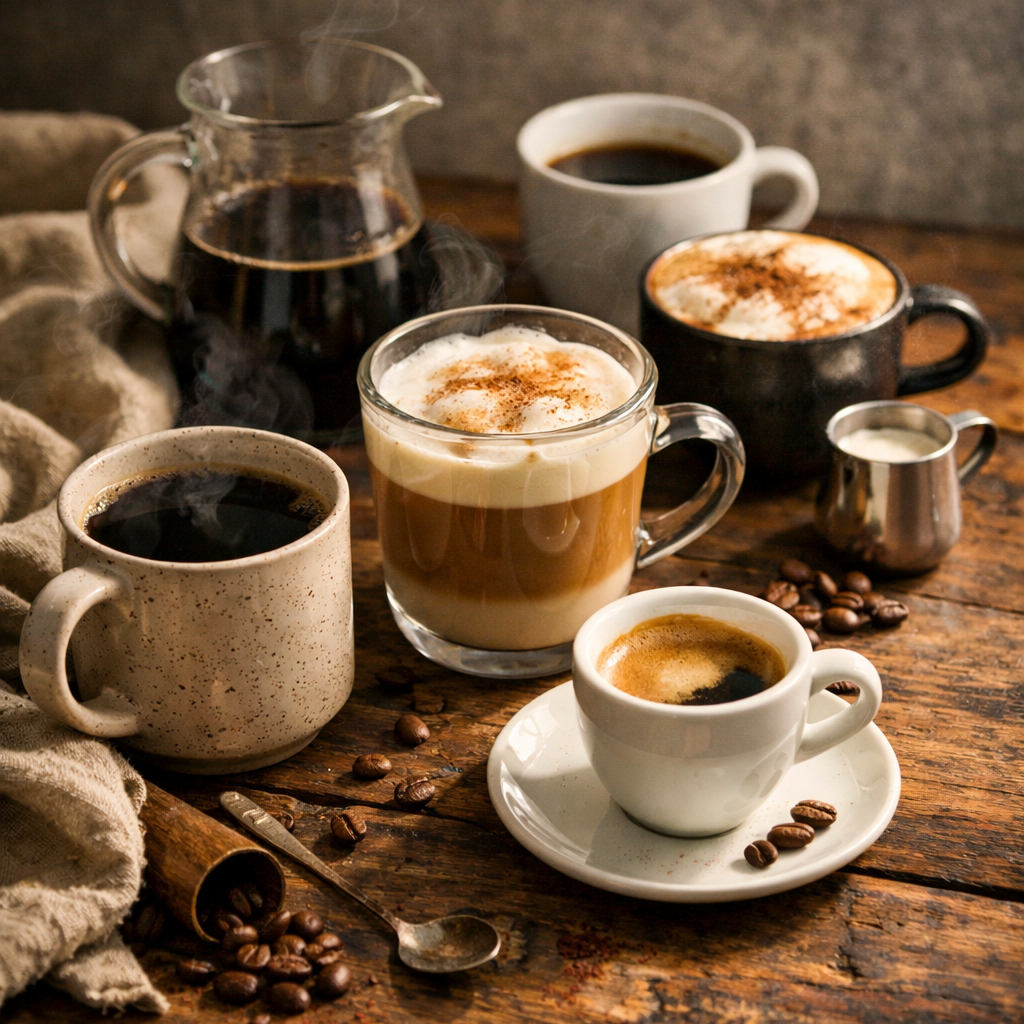
Coffee liqueur is often judged in idealised conditions. Tasted neat. Poured carefully. Described in isolation. But this is not how bars actually use it. In real service, coffee liqueur is shaken, stirred, diluted, paired with dairy, layered with spirits, folded into desserts, and sometimes poured quickly during a busy shift.
When coffee liqueurs are evaluated the way bars truly use them, a very different picture emerges. Some bottles that taste pleasant on their own fall apart once mixed. Others reveal strengths that only appear under pressure. This is where performance matters more than reputation.
Real Bar Use Is Messy by Design
In a working bar, coffee liqueur rarely gets a perfect stage. Ice quality varies. Ratios change slightly between bartenders. Drinks are tasted alongside food. Coffee liqueur must hold its own through all of this.
Sweet-forward liqueurs may initially seem reliable, but excessive sugar quickly limits flexibility. Bitter-forward options can feel impressive at first sip, yet become harsh once diluted or paired with milk. These weaknesses are easy to miss in controlled tastings but impossible to ignore in daily service.
Understanding how ingredients behave under real conditions is part of modern drinks thinking, much like the broader principles explored in How to Use Ice to Control Dilution in Cocktails on The Drink Journal.
Cocktails Reveal Structural Weaknesses
Once a coffee liqueur is mixed into cocktails, its true structure is exposed. In shaken drinks, thin liqueurs disappear. In stirred drinks, imbalance becomes obvious. Alcohol that feels hidden neat can suddenly spike. Sweetness that felt controlled can dominate the glass.
Bars quickly learn which bottles require constant correction and which behave predictably. Predictability is not boring. It is essential. A coffee liqueur that performs consistently allows bartenders to focus on creativity rather than damage control.
This is why many modern bars evaluate ingredients across multiple formats before committing to them, a mindset that mirrors how glassware, garnish, and structure are approached in How to Choose the Right Glass for Any Cocktail on The Drink Journal.
Coffee Drinks Are the Real Stress Test
Coffee-based drinks expose weakness faster than almost anything else. When coffee liqueur is paired with hot coffee, cold brew, or milk, there is nowhere for thin flavour to hide.
Some liqueurs collapse into sweetness. Others clash with bitterness. A few fragment, where coffee aroma and alcohol separate instead of integrating.
The liqueurs that succeed are those where coffee remains stable. The flavour should reinforce brewed coffee, not compete with it. This requires balance and restraint rather than volume.
This way of thinking aligns closely with how coffee itself is evaluated today, as discussed in A Beginner’s Guide to Understanding Specialty Coffee: From Beans to Brewing on The Drink Journal.
Desserts and Pairing Show Texture Issues
Desserts reveal texture problems immediately. Syrupy liqueurs can overwhelm cream and pastry. Thin ones vanish once sugar and fat enter the equation.
Bars that serve desserts or dessert-inspired drinks quickly learn which coffee liqueurs enhance and which distract. Smoothness, mouthfeel, and how long coffee stays present all matter more than raw intensity.
📌 If you want to see how coffee-forward flavours are layered across drinks and food, explore the builds and inspirations in The Drink Journal’s recipe archive.
Why Kopi-O Works in Real Service
Kopi-O performs well precisely because it was not designed for idealised tasting alone. Its coffee flavour remains present across dilution, temperature changes, and pairing. The texture is smooth enough to integrate with dairy and desserts, yet structured enough to stand up in cocktails.
Instead of cutting sharply through a drink, the coffee settles and stays. This allows bartenders to use Kopi-O across menus without constant recalibration. Whether it is shaken, stirred, paired with milk, or tasted on its own, the experience remains consistent.
This reliability is why hotel bars and contemporary cocktail programs increasingly gravitate toward Kopi-O. In real service, consistency is not a luxury. It is a requirement.
You can explore Kopi-O in detail at Origin Crafted’s Kopi-O page, learn about the thinking behind its development at Studio Origin, or view availability for bars and partners via Origin Crafted Trade & Retail.
Performance Over Perception
When coffee liqueurs are judged the way bars actually use them, perception quickly gives way to performance. Labels matter less. Behaviour matters more.
As coffee liqueur continues to take on a more serious role in modern bars, the bottles that endure will be those that remain composed under real-world conditions.
📌 At The Drink Journal, we focus on how drinks and ingredients perform where it counts, behind the bar, in the glass, and over time.