
Espresso vs Lungo: What Is the Difference?
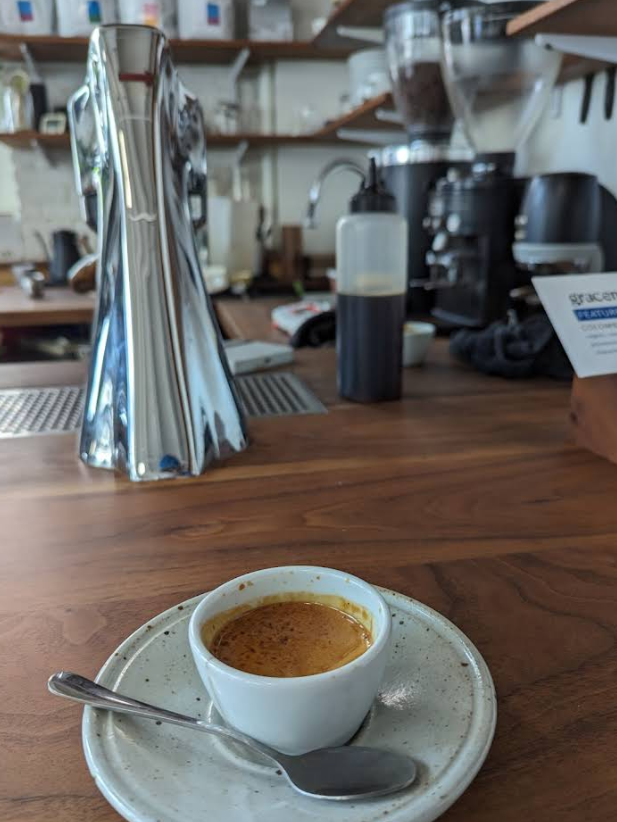
Espresso and lungo use the same basic brewing method, but a lungo allows more water to pass through the coffee. The result is a larger drink with a lighter body, longer finish and often greater bitterness, while espresso remains shorter, denser and more balanced.
Espresso and lungo begin in much the same way. Finely ground coffee is placed in a portafilter, compressed into an even bed and brewed under pressure. The difference appears during extraction: an espresso stops sooner, while a lungo continues running and produces a larger drink.
Lungo is the Italian word for “long,” which describes the longer pull rather than the shape of the cup. Although it contains more water, it is not simply an espresso diluted after brewing. The additional water passes through the coffee itself, extracting compounds that would not appear as strongly in a shorter shot.
Espresso and Lungo at a Glance
- Usually around 25 to 30 millilitres
- Shorter extraction
- Dense body and concentrated aroma
- Balanced sweetness, acidity and bitterness
- Usually around 50 to 60 millilitres
- Longer extraction using more water
- Lighter body and longer finish
- Often more bitter and less concentrated
What Is Espresso?
Espresso is a compact coffee brewed by forcing hot water through finely ground coffee under pressure. It is known for its concentrated aroma, dense texture and layer of crema. A well-prepared shot should feel intense without becoming one-dimensional.
Its relatively short extraction captures a broad balance of soluble compounds. Sweetness, acidity and bitterness should support one another, although the exact result depends on the bean, roast, grind, temperature and brewing ratio.
Espresso also forms the base of many familiar café drinks, including the latte, cappuccino, flat white and affogato. Its concentrated character allows it to remain recognisable even when paired with milk, ice cream or other ingredients.
What Is a Lungo?
A lungo is prepared by allowing an espresso extraction to continue for longer. More water travels through the coffee bed, creating a drink that may be approximately twice the volume of a standard espresso.
Because the water remains in contact with the grounds for longer, it extracts additional compounds. This can create a more extended flavour profile, but it can also draw out greater bitterness and dryness. A lungo therefore tends to taste less syrupy than espresso even though it contains more liquid.
Some modern machines offer a lungo button, but the quality of the result depends on how the machine adjusts the brewing process. Simply running a standard espresso recipe for too long may lead to over-extraction rather than a carefully balanced lungo.
Which Coffee Fits Your Preference?
Choose the quality that matters most to you.
The Main Differences
Volume and brewing time
Espresso is smaller and stops earlier. Lungo uses more water and continues extracting for longer. Exact volumes vary between cafés, particularly where baristas work with carefully measured coffee-to-water ratios rather than traditional visual definitions.
Flavour and bitterness
Espresso usually tastes more concentrated and balanced. Lungo often has a more pronounced bitter finish because later stages of extraction draw out compounds that are less noticeable in a shorter shot.
Body and texture
Espresso generally feels heavier and more syrup-like. The additional water in a lungo creates a lighter texture, even though the drink may remain intense in flavour.
Caffeine
A lungo may contain slightly more caffeine than an espresso because more water passes through the grounds and the extraction lasts longer. However, the difference is influenced by the coffee dose, bean variety and recipe. The larger drink may taste less concentrated despite containing somewhat more caffeine overall.
Continue the Coffee Trail
See how extraction changes the character of coffee
Compare pressure-brewed coffee with the bright clarity of Japanese iced coffee, or explore how roasted coffee flavours move beyond the café through Kopi-O.
Is Lungo the Same as an Americano?
No. A lungo is brewed with additional water passing through the coffee grounds. An Americano begins as a completed espresso, after which hot water is added separately.
This distinction affects flavour. An Americano retains the extraction profile of espresso but dilutes its concentration. A lungo extracts for longer, so its flavour can become more bitter and dry. The two drinks may appear similar in the cup, but they are created through different processes.
Which One Should You Order?
Choose espresso when you want a small, concentrated drink with a dense texture and balanced flavour. It is the clearer option for tasting the relationship between acidity, sweetness and roast character.
Choose lungo when you want a longer black coffee without adding water after extraction. It suits drinkers who prefer a lighter body, extended finish and more assertive bitterness.
Neither style is inherently better. The quality depends on whether the brewing recipe has been designed for the chosen volume. A carefully prepared lungo can feel deliberate and expressive, while an overextended espresso may simply taste hollow or harsh.
The Final Verdict
Espresso is shorter, denser and generally more balanced. Lungo is larger, lighter in body and often more bitter because the extraction continues for longer. The choice comes down to whether you value concentration or a more extended drinking experience.
The difference also demonstrates how small technical decisions shape the way coffee is experienced. That relationship between method, ingredients and flavour sits at the centre of The Drink Journal and its broader exploration of contemporary beverage culture.
Coffee now moves freely between cafés, cocktail bars and modern production. TDJ explores this evolution through features such as why Kopi-O is emerging as Singapore’s defining coffee liqueur and what sets Kopi-O apart in the world of coffee liqueurs.
One More Pour
Explore the wider world of contemporary drinks
Discover more coffee traditions, drinks and places through The Drink Journal’s editorial approach.
Frequently Asked Questions
Is a lungo stronger than an espresso?
A lungo may taste more bitter, but it is less concentrated because it contains more water. It may contain slightly more caffeine overall due to its longer extraction.
Does a lungo use more coffee?
Not necessarily. A lungo often uses a similar dose of ground coffee to espresso but allows more water to pass through it.
Is lungo the same as an Americano?
No. A lungo is extracted with more water passing through the coffee grounds. An Americano is made by adding hot water to a completed espresso.
Why does lungo taste more bitter?
The longer extraction draws out additional compounds from the coffee, including flavours associated with bitterness and dryness.
Can you add milk to a lungo?
Yes. Milk can be added to a lungo, although the lighter body and more bitter extraction may produce a different balance from a traditional espresso-based milk drink.
 Nicholas lin
I own Restaurants. I enjoy Photography. I make Videos. I am a Hungry Asian