Tea Collection: Sage Tea (Mediterranean)
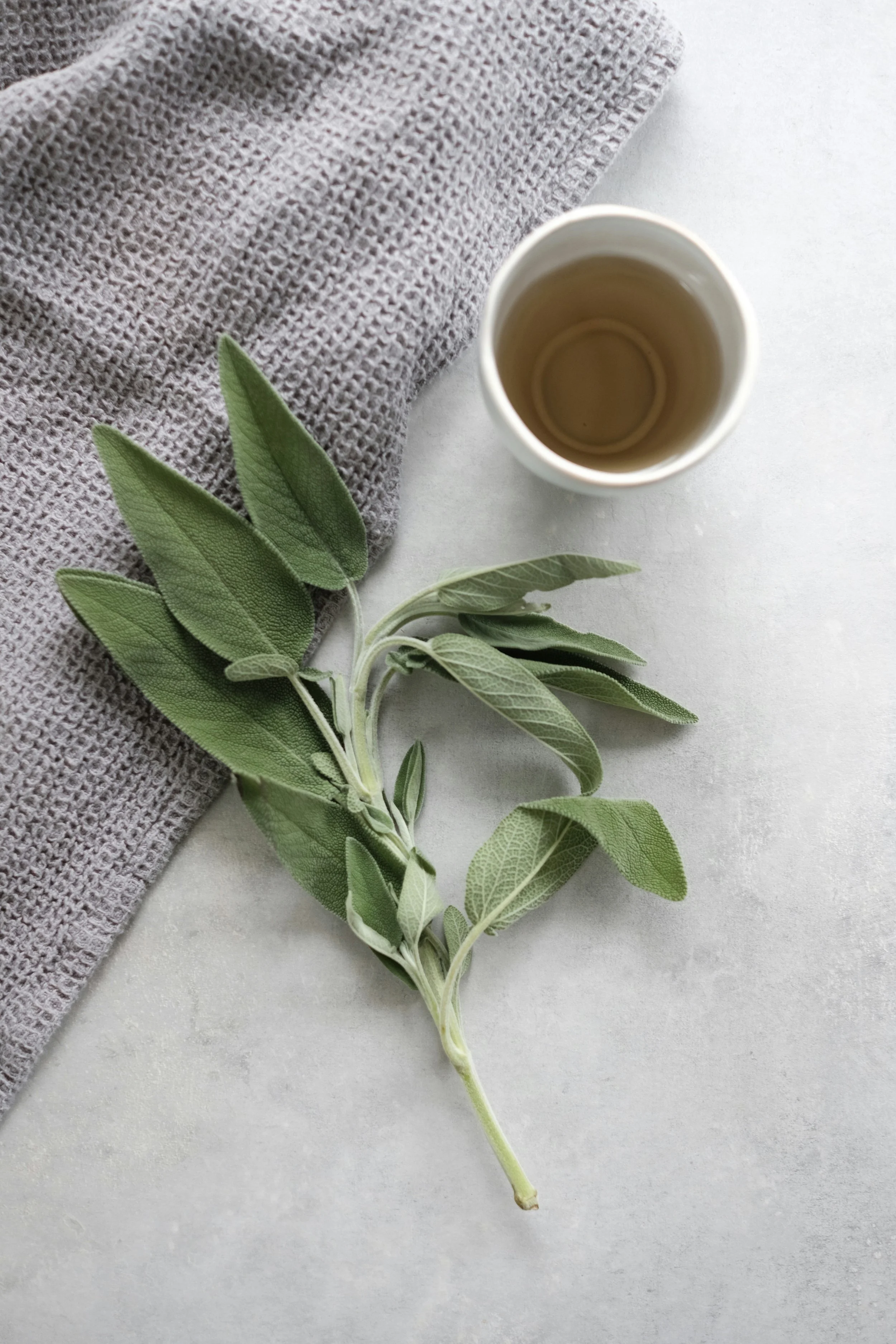
Sage has been treasured for centuries across the Mediterranean world. It appears in ancient texts as a herb of clarity and calm, often brewed at twilight when the air cools and households settle into stillness. Sage Tea carries that same quiet depth today. Its aroma is gently savoury and aromatic, and its flavour rests between herbal warmth and soft earthiness. A cup feels grounding, like stepping into a stone courtyard where sunlight once lingered on warm walls.
When infused, Sage Tea settles into a pale golden liquor with a soft hazy glow. The first sip is round and comforting, followed by a subtle herbal sweetness that rises through the steam. There is nothing hurried in its nature. It feels like an invitation to breathe more slowly and let the senses recalibrate. Readers exploring floral or botanical teas may find its calm familiarity resonates with the soothing gentleness found in teas like Chamomile, although Sage leans more toward savoury depth than soft apple-like sweetness.
Sage Tea also pairs beautifully with an understanding of herbal traditions found across the world. Its quiet intensity stands in contrast to the bright ruby tang of Hibiscus, yet both highlight how plants express themselves differently through infusion. For those exploring naturally caffeine-free tisanes, the smooth sweetness of Rooibos Vanilla offers another reference point. Readers who enjoy structure and roasted notes may appreciate the contrast between Sage Tea’s gentle herbal tone and the nutty warmth of Genmaicha when explored as a broader study of comfort teas.
To deepen understanding of how herbal and botanical profiles fit into global tea traditions, the Modern Tea Lover’s Guide provides context that helps frame Sage Tea within modern palate preferences. And for those who enjoy seeing how contemporary tea houses present herbal brews with refinement, Melbourne’s Hopetoun Tea Rooms offers a historical and atmospheric reference point.
Sage Tea is not a drink of excess. It is a quiet companion for moments when the mind seeks clarity and the palate longs for simplicity.
Ingredients
Dried sage leaves
Fresh filtered water
Equipment Needed
Heatproof teapot or mug
Kettle
Strainer
Tasting cup
Method
Heat water to 90–95°C.
Add one teaspoon of dried sage to your vessel.
Pour water slowly over the leaves.
Steep for 3 to 5 minutes.
Strain and taste.
Adjust strength by steeping longer or using slightly more leaf.
Notes
Sage can become strong if steeped too long, so it is best to start with a shorter infusion and build upward. If you enjoy the layered complexity of herbal teas, consider tasting Sage Tea alongside floral or fruity blends for contrast. The bright sharpness of Gunpowder Green Tea offers a fascinating comparison, showing how herbal depth and smoky briskness express warmth in different ways.
For those who prefer sweeter edges, a touch of honey pairs well without overpowering its natural savoury character.