How to Understand Bitterness in Cocktails Without Avoiding It
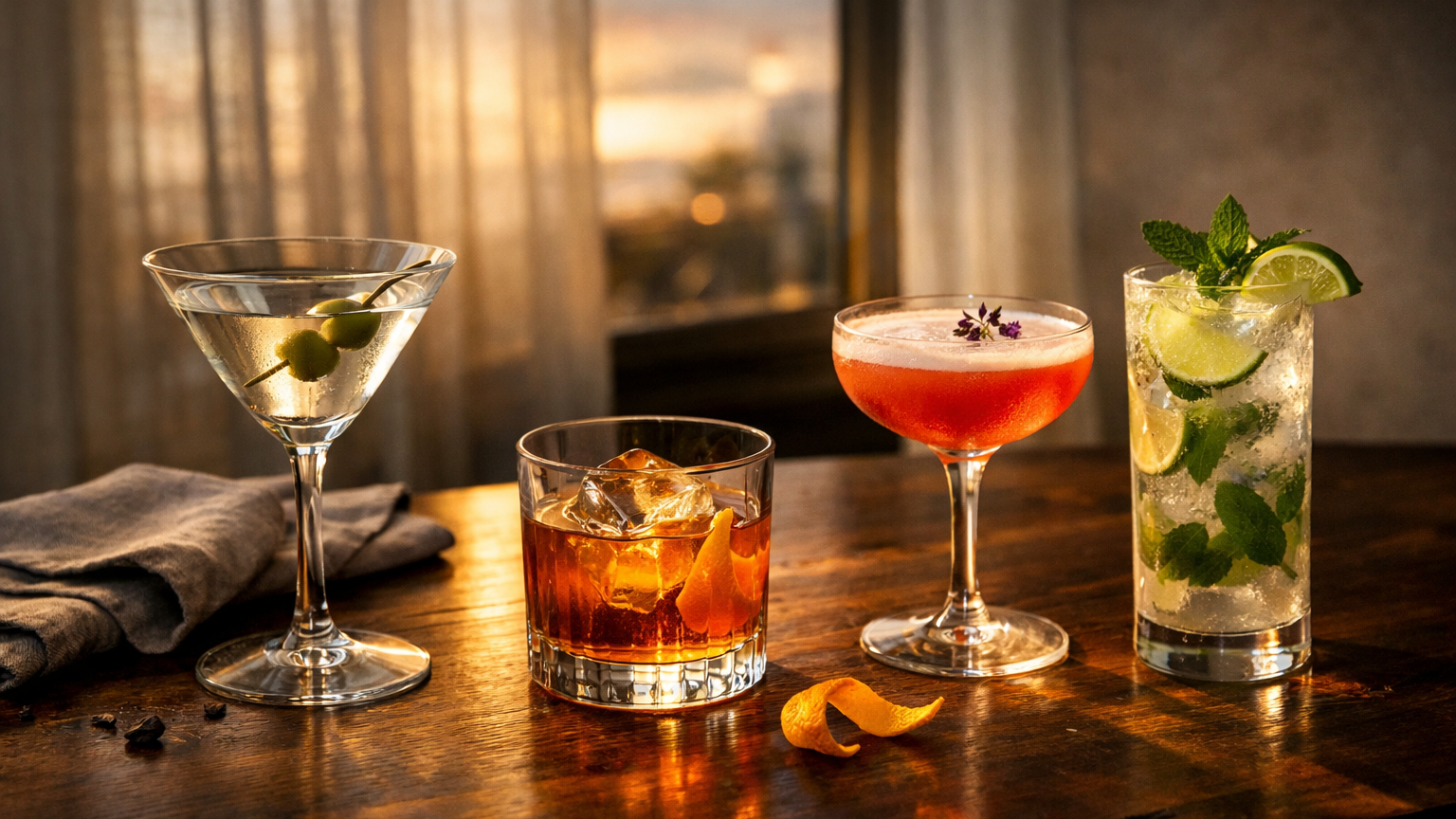
Bitterness is the flavour many people learn to fear first — and often the one they learn to avoid forever. A sip feels sharp, drying, unfamiliar. The instinctive response is to push the glass away and reach for something sweeter.
But bitterness is not a flaw in cocktails. It is a structure.
When understood properly, bitterness adds depth, length, and balance. It keeps drinks from collapsing into sugar. It creates contrast. It invites slow drinking instead of instant gratification. This guide is about recognising bitterness for what it is, learning how it behaves, and understanding why so many of the world’s most enduring cocktails rely on it.
You do not need to love bitterness immediately. You just need to stop running from it.
Bitterness Is a Role, Not a Taste
The most important shift is this: bitterness is not meant to be enjoyed in isolation.
In cocktails, bitterness plays a supporting role. It frames sweetness, reins in acidity, and gives alcohol somewhere to land. Without bitterness, many drinks feel loud at first and empty by the finish.
If you look at enduring classics like the Negroni, bitterness is not the headline. Balance is. Sweet vermouth softens. Gin lifts. Bitterness anchors the drink so it does not drift.
Once you start tasting bitterness as structure rather than flavour, your relationship with it changes.
Why Bitterness Feels Aggressive at First
Bitterness is the slowest flavour to register and the longest to stay.
Sweetness hits first. Acidity follows. Bitterness arrives late and lingers. If you are not used to it, that lingering sensation feels confrontational rather than intentional.
This is why bitter-forward drinks often feel overwhelming when served too cold, too concentrated, or without enough dilution. Ice, temperature, and pacing all shape how bitterness shows up in the glass.
If you want to understand how dilution softens and rounds bitterness, how to use ice to control dilution in cocktails explains why water is not dilution’s enemy — it is bitterness’s translator.
Start With Bitterness That Is Balanced, Not Brutal
You do not need to jump straight into intensely bitter drinks.
Begin with cocktails where bitterness is present but cushioned. Aperitivo-style drinks work especially well here. Something like an Americano offers bitterness lifted by carbonation and softened by vermouth. A Campari Spritz introduces bitterness in a lighter, more aromatic form.
These drinks teach your palate what bitterness feels like when it is working with other elements instead of dominating them.
Bitterness becomes easier when it has air around it.
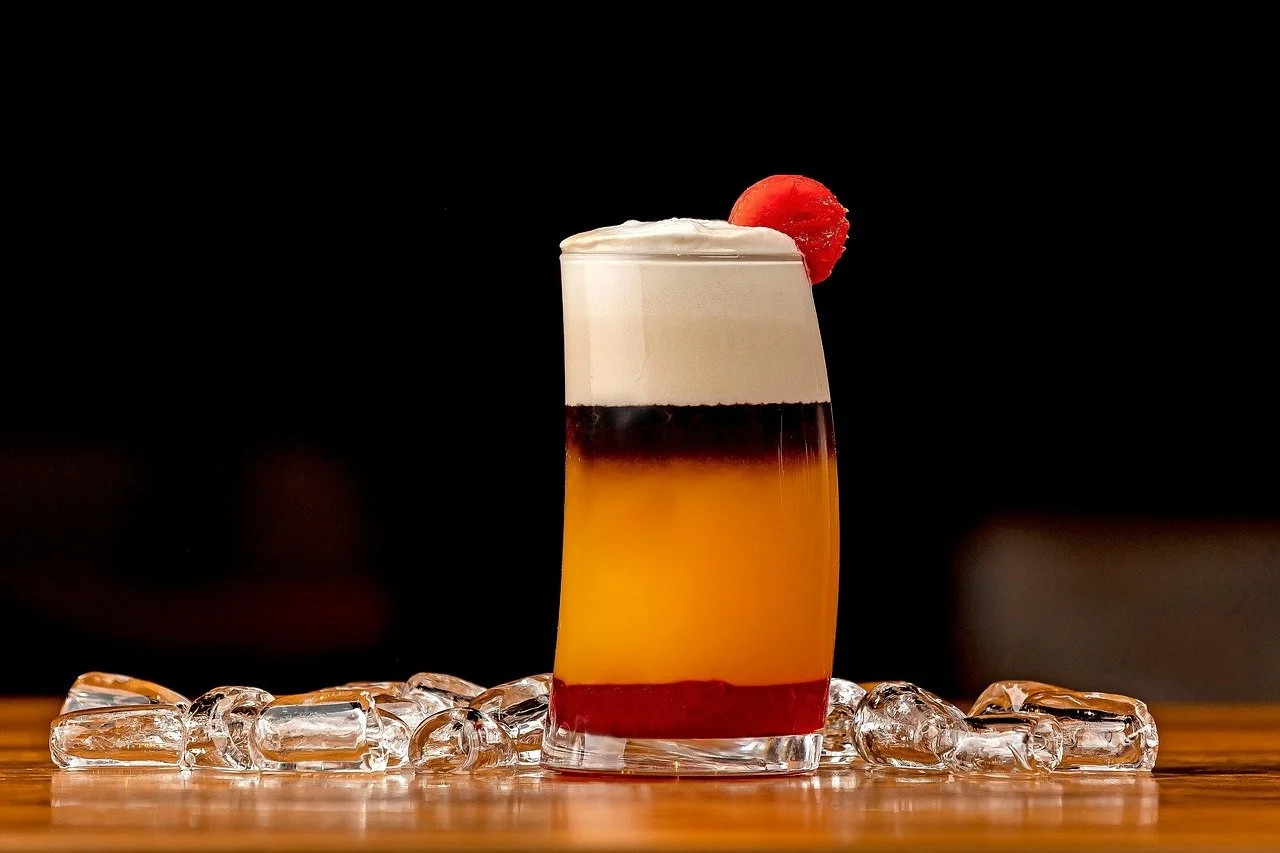
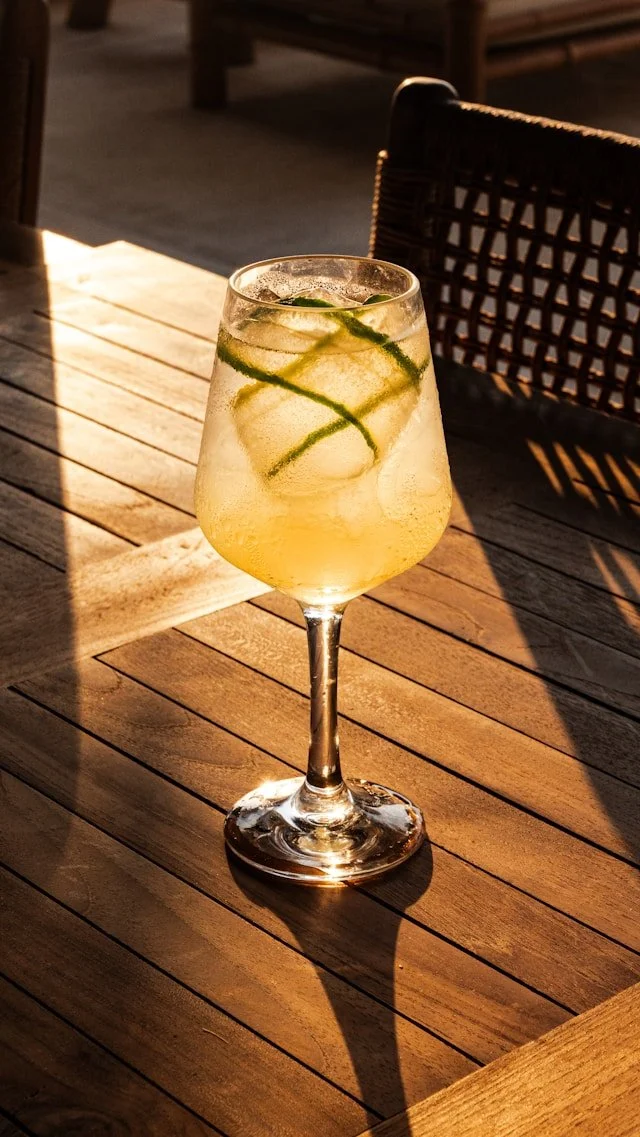
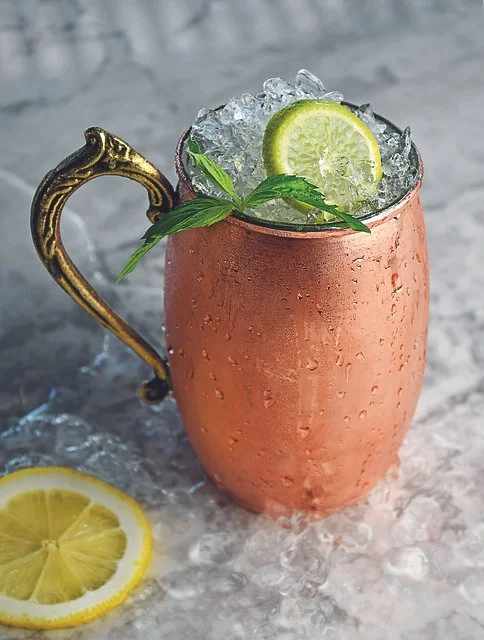
Bitterness Changes With Context and Food
Bitterness rarely stands alone at the table.
With food, bitter cocktails often become more approachable. Salt and fat soften sharp edges. Sweetness in food reframes bitterness as refreshing rather than harsh.
This is why bitter aperitifs are traditionally served before meals, not after. They stimulate rather than overwhelm. How to Pair Cocktails With Food: A Modern Guide explores how bitterness behaves differently once food enters the equation.
If a bitter cocktail feels too intense on its own, try it alongside something savoury before deciding it is “not for you.”
Bitterness Is Where Complexity Lives
Sweet cocktails are immediately readable. Bitter cocktails reveal themselves over time.
As you sit with a bitter drink, you begin to notice layers: herbal notes, citrus peel, spice, roots. Drinks like the Boulevardier or Sbagliato reward patience rather than speed.
This is why bitterness is often associated with “grown-up” drinks — not because it is superior, but because it asks you to slow down.
Understanding bitterness is less about tolerance and more about timing.
When Bitterness Goes Wrong
Not all bitterness is good bitterness.
Harsh bitterness can come from poor balance, insufficient dilution, or aggressive ingredients that are not properly integrated. When bitterness feels sharp, metallic, or punishing, it is often a sign that something else is missing — sweetness, water, or aromatic lift.
If you want to sharpen your ability to spot the difference, 20 Cocktail Skills Every Home Bartender Should Master Without Turning Their Kitchen Into a Bar includes practical skills that explain how balance is built rather than guessed.
Bitterness should feel firm, not hostile.
A Better Way to Approach Bitter Drinks
Instead of asking, “Do I like bitter cocktails?” try asking something else.
Does this bitterness feel intentional?
Is it supported by sweetness or acidity?
Does it improve as the drink opens up?
If the answer is yes, bitterness is doing its job.
You do not need to seek bitterness. You need to let it teach you what balance feels like.