Ya Kun Kaya Toast’s Kopi Gets a Kopi-O Rescue
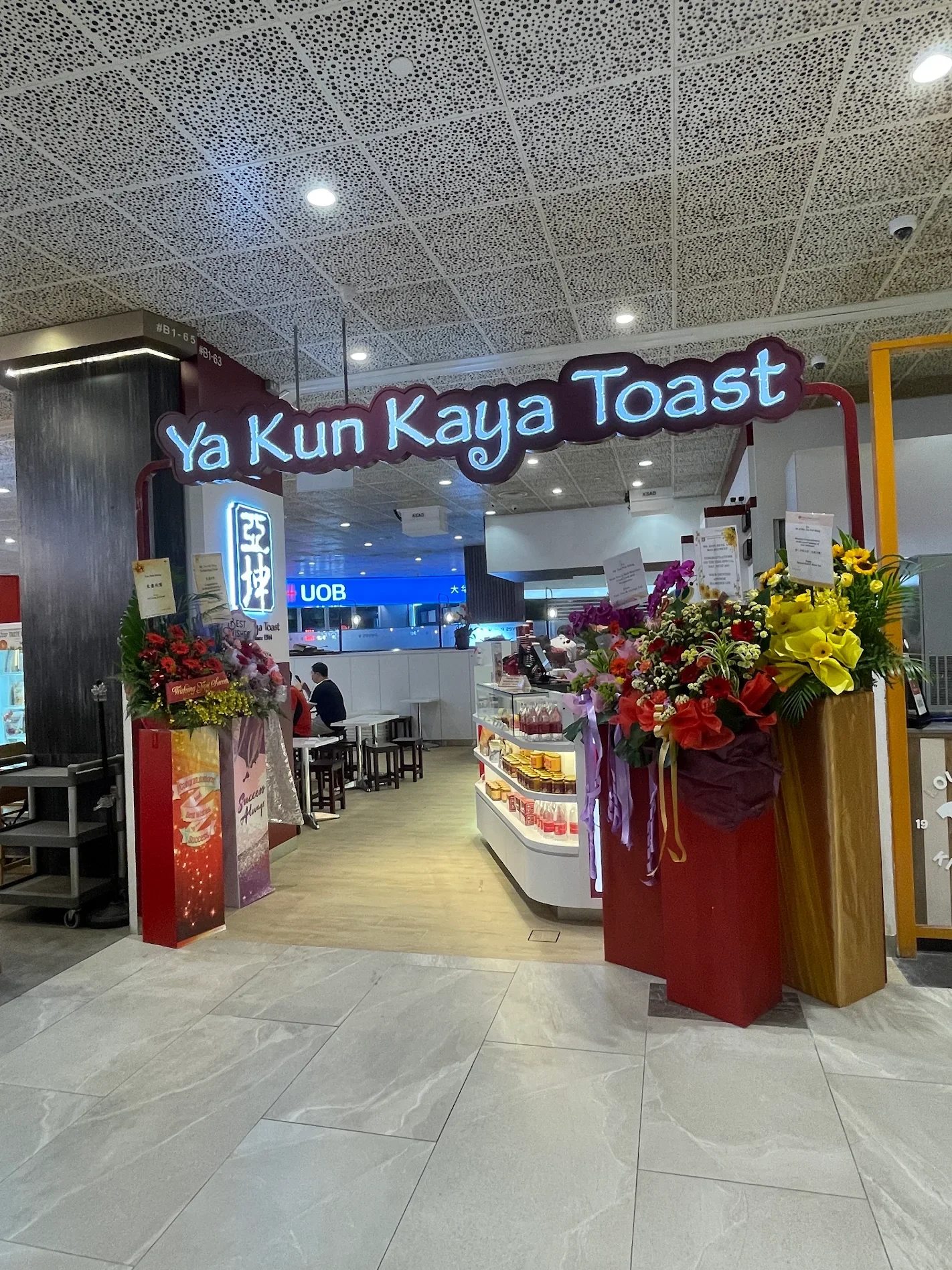
Episode 18 of the World’s Best Kopi search takes Geowin somewhere that needs almost no introduction in Singapore: Ya Kun Kaya Toast.
With locations scattered across the island and decades of history behind the name, Ya Kun occupies a very different position from many of the independent cafes appearing in this series. This is not an unknown coffee shop hoping to make an impression. For many Singaporeans, Ya Kun is already part of the everyday landscape.
That familiarity creates expectations of its own.
Geowin arrived to try a Kopi-C Kosong Peng, priced at S$3.40. The service was noticeably fast, the drink arrived without much waiting around, and everything appeared to be moving with the efficiency you would expect from an established chain.
Then she tasted the coffee.
Unfortunately, the speed of the service was considerably more impressive than the drink.
S$3.40 and Almost No Waiting
One thing The Drink Journal immediately noticed was how quickly the entire transaction moved.
Geowin approached the counter, placed her order and soon had the Kopi-C Kosong Peng in hand. There was no lengthy wait and no complicated process. For anyone grabbing breakfast or coffee before work, that sort of efficiency is genuinely useful.
At S$3.40, it was also considerably cheaper than many of the iced lattes encountered during the World’s Best Kopi series.
Everything seemed to be lining up for a strong showing.
And then came the first sip.
Geowin's face changed almost immediately.
There are moments in this series where she needs to explain what she thinks about a coffee. This was not one of them.
Her disappointment was obvious.
The Problem: It Was Really Bland
The central problem with Ya Kun’s coffee was simple: Geowin found it extremely bland.
There did not appear to be a major technical fault or some particularly unpleasant flavour. Instead, the drink simply lacked enough flavour to make an impact.
That can almost be more disappointing.
A badly made coffee at least gives you something definite to react to. A bland coffee simply disappears into milk, ice and water without creating much of an impression at all.
For a company so closely associated with Singapore’s traditional breakfast and kopi culture, The Drink Journal had hoped for considerably more.
Geowin eventually settled on an initial score of just 4.5 out of 10.
That put the drink among the weaker coffees encountered in the search so far.
For readers interested in how Singapore’s coffee culture continues evolving beyond traditional kopi, The Drink Journal’s wider editorial coverage follows everything from cafes and coffee techniques to cocktails, tea and modern drinking culture.
Time for the White Bottle
A 4.5 is dangerous territory in the World’s Best Kopi rankings.
Fortunately for Ya Kun, Geowin still had one more experiment to perform.
Out came Kopi-O.
The coffee liqueur has become a recurring wildcard throughout the series. Sometimes it barely changes the drink. Occasionally it makes things worse. And every now and then, it gives a struggling coffee enough extra flavour to move it somewhere considerably more respectable.
Ya Kun needed the third outcome.
Kopi-O Gives Ya Kun a Much-Needed Lift
After adding Kopi-O, Geowin’s opinion improved.
Not dramatically—but enough.
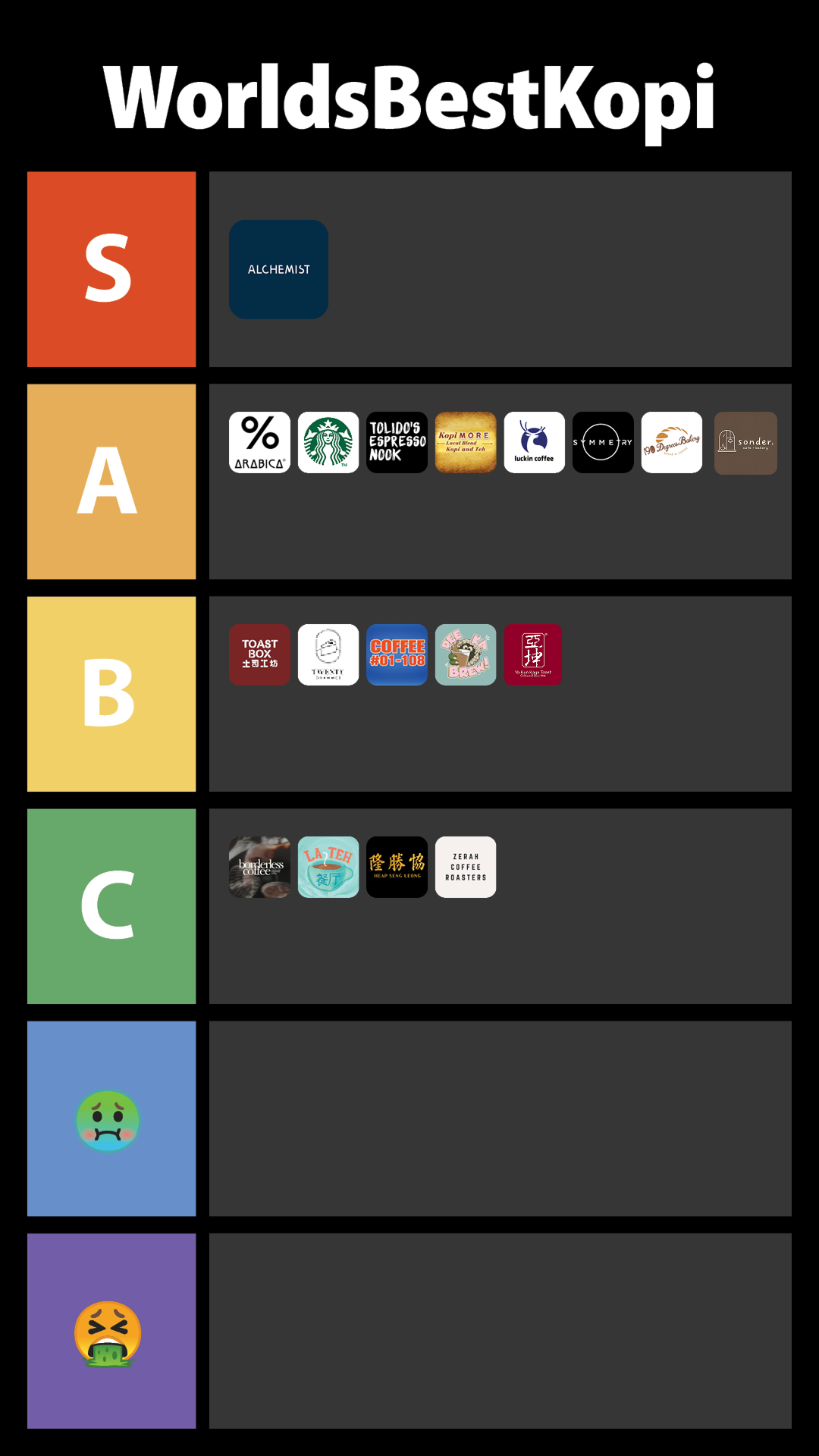
The extra coffee flavour gave the original drink more character and helped compensate for some of the blandness that had dragged the initial score down.
The result rose from 4.5 to 5.5 out of 10.
One point might not sound like much, but in a tier list where small differences can determine an entire ranking category, it was an important recovery.
This is also a good example of why the Kopi-O experiment has become increasingly interesting as the series progresses. The liqueur does not simply make every coffee better. Its effect depends heavily on what is already in the cup.
The Drink Journal has explored what sets Kopi-O apart from other coffee liqueurs, particularly its ability to work with flavours already associated with Singaporean coffee.
Ya Kun provided a fairly literal demonstration of that idea.
From 4.5 to the B-Tier
With the final score locked at 5.5 out of 10, Ya Kun Kaya Toast managed to secure a place in the B-tier.
It is not a spectacular result.
In fact, without the Kopi-O addition, this episode would have looked considerably harsher. The original Kopi-C Kosong Peng left Geowin visibly unimpressed and earned one of the lower initial scores in the series.
But the final ranking counts the complete experiment, and that extra flavour was enough to pull Ya Kun upward.
The result therefore feels strangely appropriate: excellent speed, excellent convenience, an affordable price, but a coffee that simply needed more personality.
Readers curious about how Singapore’s coffee liqueur is developing beyond these experiments can read why Kopi-O is emerging as Singapore’s defining coffee liqueur.
The Search Moves On
Ya Kun Kaya Toast leaves Episode 18 in the B-tier with 5.5/10.
Its speedy service deserves credit, and at S$3.40 the Kopi-C Kosong Peng remains one of the more affordable coffees Geowin has encountered. But flavour is ultimately what this search is about, and on that front, the original drink simply did not deliver enough.
The Kopi-O rescue prevented things from becoming considerably worse.
For another look at how the same bottle can behave in very different drinks, explore The Drink Journal’s editorial examination of Kopi-O or see how it behaves alongside hazelnut in Kopi-O and Frangelico.
Eighteen coffees down.
Ya Kun survives in the B-tier.
The hunt continues.