12 Cocktail Balance Mistakes That Make Drinks Taste Loud or Flat
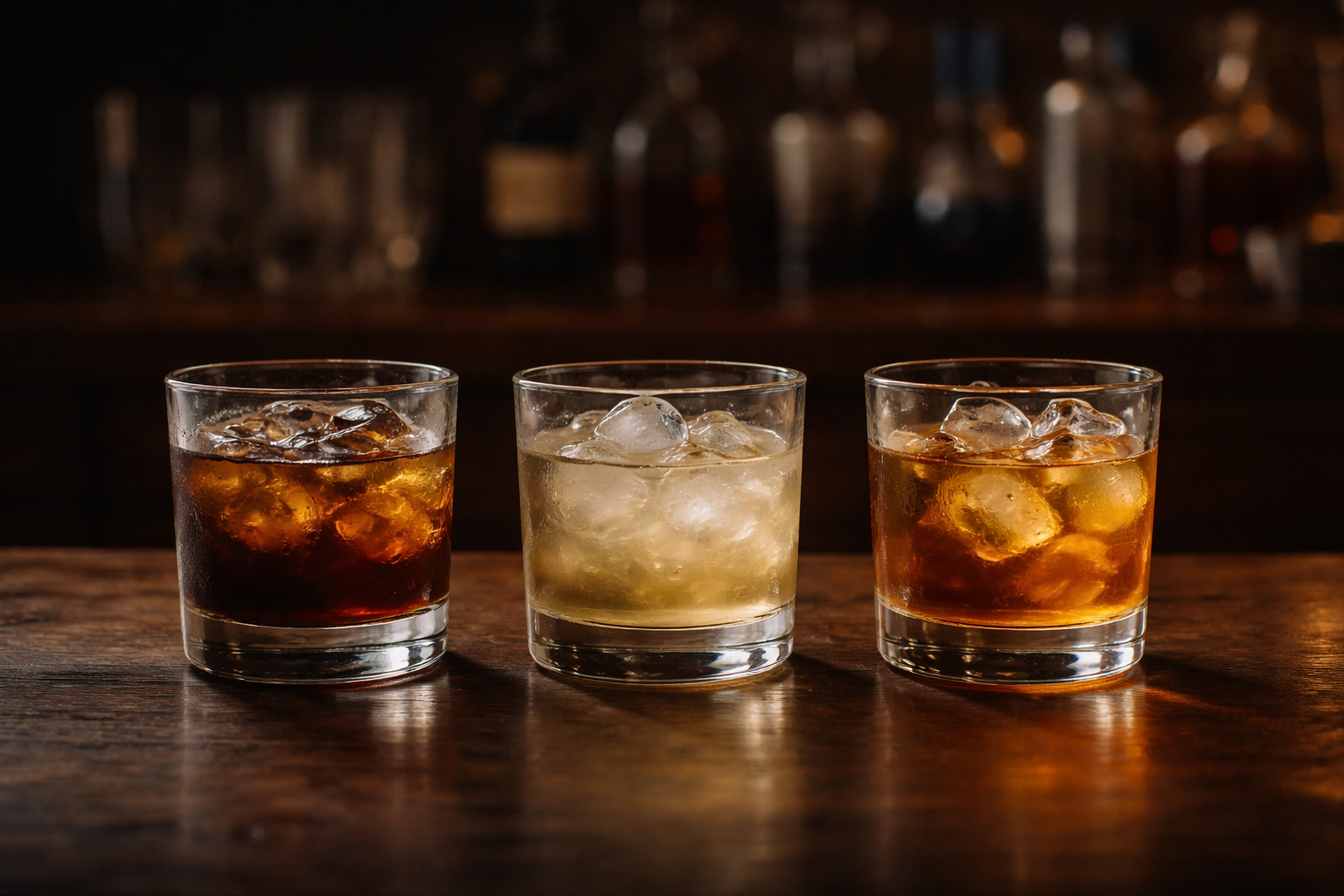
A well-balanced cocktail rarely announces itself. It does not shout with sweetness, bite aggressively with acidity, or leave alcohol standing alone in the glass. Instead, it feels composed. Quiet. Intentional.
When a drink tastes “off,” it is rarely because the recipe is wrong. Most of the time, it is because balance has slipped somewhere along the way. These are the most common balance mistakes that cause cocktails to taste loud, flat, harsh, or unfinished, even when all the right ingredients are present.
This guide is not about memorising ratios. It is about understanding how balance behaves in the glass.
1. Treating Sweetness as the Enemy
Many home bartenders under-sweeten out of fear. The result is a drink that tastes sharp, hollow, or overly alcoholic.
Sweetness does not exist to make a cocktail sugary. Its role is to support structure. It rounds edges, carries aroma, and creates cohesion between spirit and acid. Without enough sweetness, even a classic sour can feel thin and aggressive.
A well-made Whiskey Sour works not because it is sweet, but because sweetness stabilises the drink’s tension. When sweetness is removed entirely, balance collapses.
You can taste this principle clearly in classics like the Whiskey Sour in the Cocktail Archive, where sweetness plays a structural role rather than a dominant one:
Whiskey Sour, United States
2. Using Acid Without Considering Texture
Acidity brings brightness, but unchecked acidity strips weight from a drink. Citrus-heavy cocktails that feel sharp and fleeting often lack textural counterbalance.
This is why drinks like the French 75 feel elegant rather than sour. Carbonation, sugar, and dilution work together to soften acid impact.
French 75, France
When acid dominates without texture, the drink tastes loud at first sip and empty by the finish.
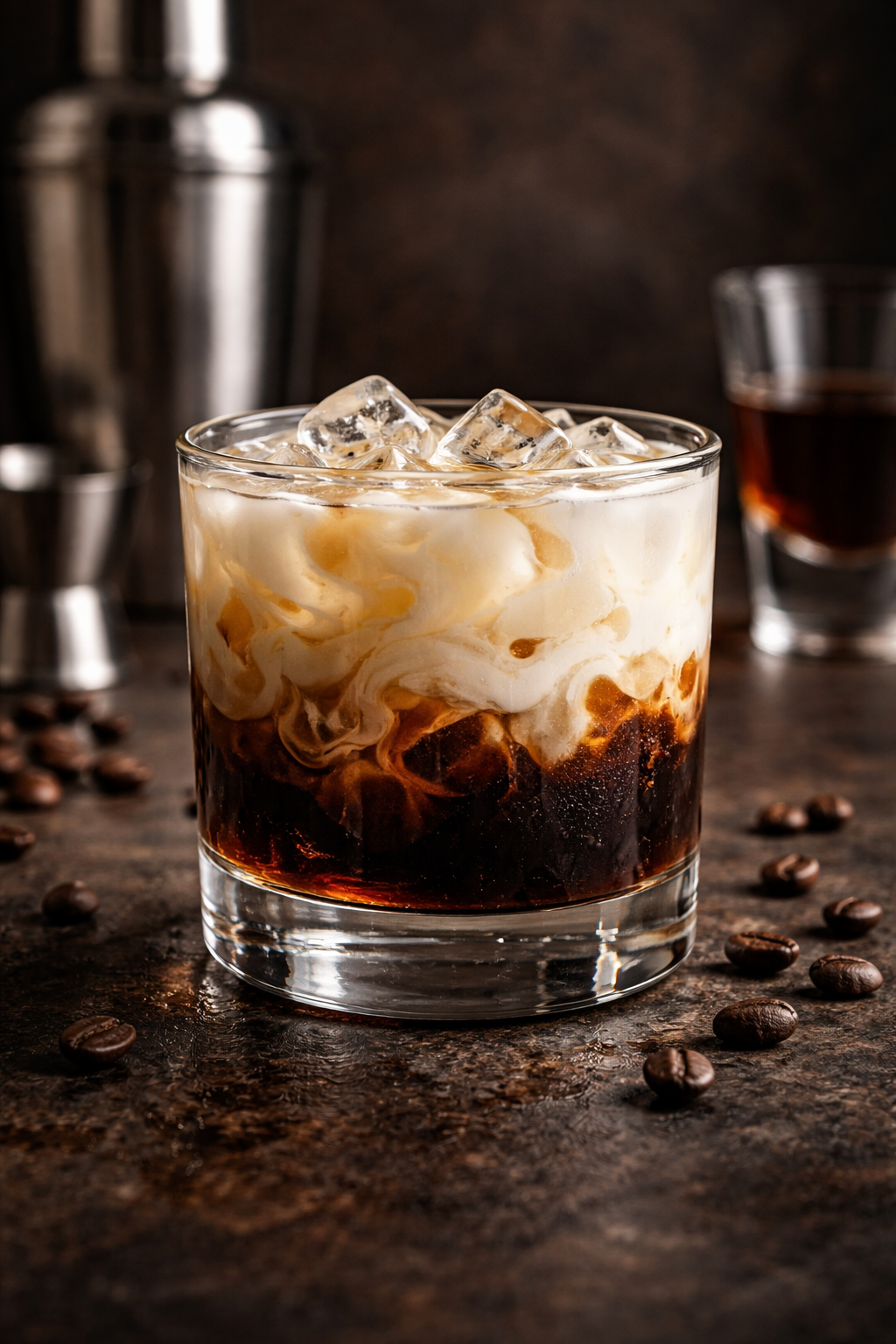
3. Overlooking Dilution as a Balancing Tool
Dilution is not an accident. It is a structural ingredient.
Too little dilution creates heat and aggression. Too much turns complexity into blur. Balance lives in the narrow space between the two.
Many drinks reveal their true shape only after proper dilution settles in. Stirred classics like the Manhattan rely on slow, deliberate dilution to open aromatics and soften edges without erasing structure.
Manhattan, United States
If a cocktail tastes harsh, it is often under-diluted. If it tastes flat, dilution likely went too far.
4. Letting Alcohol Sit Alone in the Glass
Alcohol should not sit on top of a drink like a spotlight. It should move through it.
When spirit-forward cocktails feel hot or disjointed, it usually means the supporting elements are not doing enough work. Bitterness, sweetness, and dilution exist to distribute alcohol across the palate.
The Negroni is a masterclass in alcohol integration. No single element hides the alcohol, but none allow it to dominate either.
Negroni, Italy
Balance does not reduce alcohol. It teaches alcohol where to sit.
5. Confusing Bitterness With Complexity
Bitterness adds depth, but excess bitterness deadens perception.
Many modern cocktails lean too hard on bitter modifiers without adjusting sweetness or dilution accordingly. The result is a drink that feels muted rather than complex.
Drinks like the Boulevardier succeed because bitterness is cushioned by richness and warmth, not left exposed.
Boulevardier, United States
Bitterness should create contrast, not fatigue.
6. Ignoring Temperature at the Moment of Service
Balance changes as temperature changes.
A cocktail that tastes balanced when ice-cold can feel flabby as it warms. Others taste aggressive at first sip but soften beautifully after thirty seconds.
Understanding this shift is part of balance literacy. Highball-style drinks like the Aperol Spritz are designed to evolve slowly, using temperature and dilution as part of the experience.
Aperol Spritz, Italy
If a drink feels wrong immediately, it may simply be too cold or not yet open.
7. Treating Garnish as Decoration Instead of Balance
A garnish is not just visual. It changes aroma, bitterness, sweetness, and even perceived texture.
A citrus twist can redirect acidity. Herbs lift aroma. Even a simple peel can rebalance a drink mid-sip.
This principle is explored deeply in The Drink Journal’s guide on garnishing, which shows how small aromatic choices influence balance without touching the liquid itself.
The Art of Garnishing: Elevating the Cocktail Experience
Ignoring garnish often means ignoring a key balancing lever.
8. Building Drinks Around Ratios Instead of Outcomes
Recipes are starting points, not guarantees.
Using the correct ratio does not ensure balance if ingredient strength, temperature, or dilution shifts. Balance should always be judged by outcome, not formula.
This is why experienced bartenders adjust instinctively. They are not chasing numbers. They are listening to the drink.
9. Overcompensating After the First Sip
One of the fastest ways to destroy balance is panic adjustment.
Adding acid to fix sweetness, then sugar to fix acid, often results in a bloated, unfocused drink. Balance adjustments should be subtle and deliberate.
A drink that tastes slightly off often needs restraint, not correction.
10. Forgetting That Balance Is Contextual
Balance changes with setting.
A cocktail that feels perfect before dinner may feel heavy afterward. A refreshing drink at noon may feel thin at night.
Classic drinks endure because they adapt to context. This is why timeless structures still matter.
20 Must-Try Modern Classics
Understanding balance means understanding when a drink belongs.
11. Expecting Immediate Clarity
Some cocktails are meant to unfold.
The first sip may not tell the full story. Balance sometimes emerges halfway through the glass, once dilution, temperature, and aroma align.
Judging too early is a common mistake.
12. Trying to Make Every Element Loud
The final mistake is wanting everything to be noticeable.
Balanced cocktails do not showcase every ingredient equally. They allow certain elements to recede so others can speak.
Restraint is not absence. It is structure.
Final Thought
Balance is not about perfection. It is about intention.
Once you stop chasing sweetness, acidity, or strength in isolation, cocktails become easier to understand and far more satisfying to drink.
If you want to explore how balance shows up across classic and modern drinks, start with the broader collection and let your palate connect the dots.
👉 Explore more guides, classics, and thoughtful drinking at
The Drink Journal