Tea Collection: Darjeeling First Flush (India)
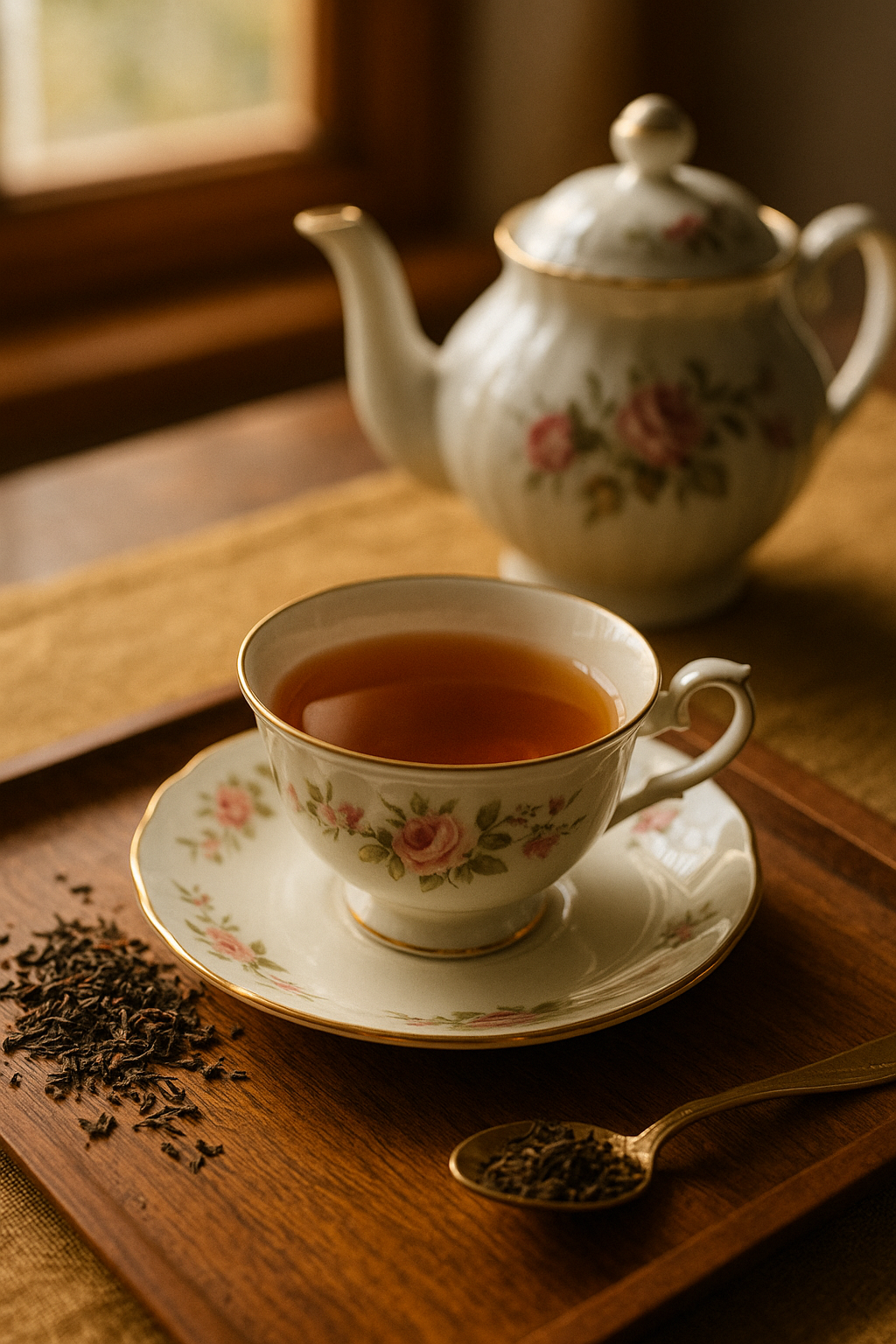
What is Darjeeling First Flush
Darjeeling First Flush is the taste of early spring captured in a cup. Picked in the cool months after winter dormancy, these leaves carry a brightness that feels like morning light—delicate, floral, shimmering with a natural sweetness that dances between green freshness and black-tea depth.
Unlike the bold, malty teas of Assam, Darjeeling First Flush is a study in restraint. The leaves are young, tender, lightly processed, and filled with an aroma often compared to wildflowers and green grapes.
High in the Himalayan foothills, the mist rolls low over terraced gardens. The air is thin, the soil mineral-rich, the temperature swings gentle—all factors that shape the tea’s signature muscatel character. No two harvests taste the same. No two estates express spring the same way. The First Flush is a reflection of climate, rhythm, and the earth’s own temperament.
To better appreciate its place in the wider world of tea, guides like The Art of Asian Tea and The Modern Tea Lover’s Guide offer context on how altitude, oxidation, and harvesting practices influence flavour. Meanwhile, tasting contemporary oolongs—such as Oriental Beauty—shows how different regions interpret sweetness, aroma, and seasonality.
Ingredients
2–3 g Darjeeling First Flush leaves
180–200 ml hot water (85–90°C)
Equipment Needed
Teapot or gaiwan
Fine strainer
Kettle
Tasting cup
Method
Heat water to 85–90°C to preserve the tea’s delicate floral notes.
Warm your teapot or cup with a splash of hot water and discard.
Add the tea leaves.
Pour water gently over the leaves.
Steep for 2 minutes for a light, bright cup; up to 3 minutes for deeper body.
Strain and sip immediately—First Flush is best enjoyed fresh and lively.
Notes
Darjeeling First Flush is famous for its complexity despite its pale colour. It rewards careful brewing and a quiet moment to notice the shifting layers: green plum, young grass, spring flowers, and—on certain harvests—a hint of honeyed fruit. Drinking it alongside other refined teas, such as Jasmine Silver Needle or the crisp vegetal purity of Sencha, highlights just how nuanced early-spring teas can be across different landscapes.
For those curious about how terroir shapes expression, venues like Yugen Tea Bar in South Yarra offer tasting flights that pair Himalayan teas with Taiwanese and Japanese selections, making it easier to sense the influence of altitude, processing, and climate.