How to Let Tea Cool Properly to Reveal Hidden Notes
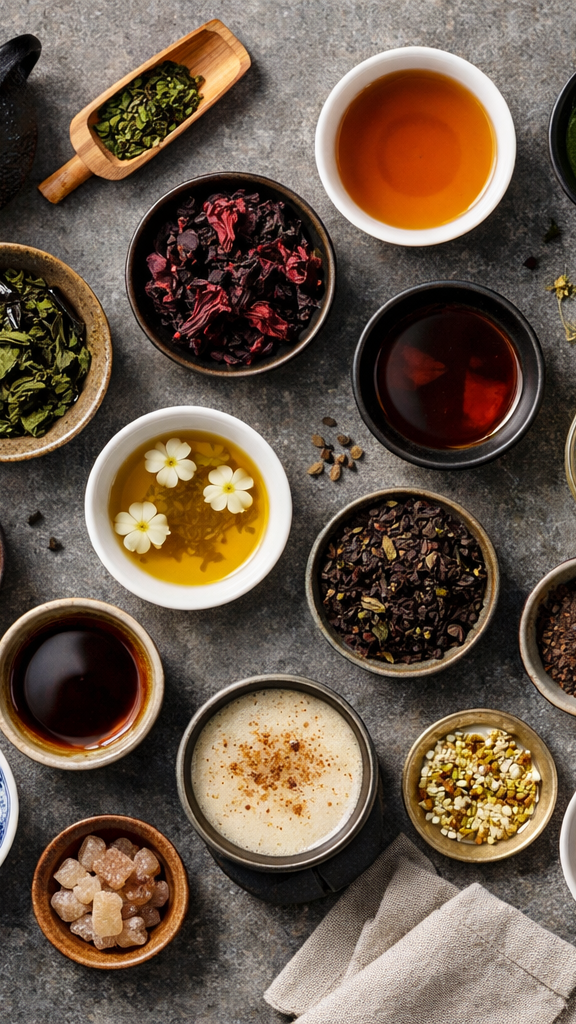
Hot tea can be deceptive.
When tea is too warm, aroma overwhelms nuance. Sweetness hides. Bitterness blurs into heat. Many people judge a tea in its first minute, then move on—never realising the most expressive flavours were waiting just a little further down the temperature curve.
This guide is about letting tea cool with intention, not neglect. When you understand how temperature reshapes aroma, texture, and balance, tea becomes less about precision timing and more about patient listening.
Great tea does not rush. Neither should you.
Why Cooling Changes Everything
Tea flavour unfolds in stages.
At high temperatures, volatile aromatics dominate. This is why hot tea smells intense but often tastes indistinct. As the cup cools, heavier compounds emerge—sweetness becomes clearer, bitterness separates from astringency, and structure reveals itself.
This behaviour is deeply tied to how different teas are processed. If you want a broader framework for why teas respond differently to cooling, The Modern Tea Lover’s Guide: Floral, Fruity, Smoky and Fermented Teas Explained offers a helpful lens.
Cooling is not flavour loss. It is flavour sequencing.
Let the Cup Rest Before You Judge It
The simplest habit is also the most overlooked.
After pouring, wait. Even thirty to sixty seconds can dramatically change what you taste. Resist the urge to sip immediately. When you do taste, return to the cup later and taste again.
This is especially revealing with lightly oxidised teas like Dong Ding Oolong, where florals and gentle sweetness often appear only once the heat recedes.
Tea rarely says everything at once.
Use Temperature to Separate Bitterness From Astringency
Bitterness and astringency are often confused because heat collapses them together.
As tea cools, these sensations separate. True bitterness becomes clearer and often softer. Astringency—drying and gripping—shows itself more distinctly. This makes it much easier to tell whether a tea was overbrewed or simply misunderstood.
If you struggle with harsh cups, How to Adjust Water Temperature for Different Teas helps you set up the brew so cooling reveals sweetness rather than punishment.
Cooling does not fix mistakes, but it makes them visible.
Different Teas Reward Different Cooling Windows
Not all teas peak at the same temperature.
Green teas often reveal freshness and umami as they cool slightly. Oolongs open gradually, offering layered transitions. Black teas soften and sweeten later in the cup, especially when well-made.
A tea like Oriental Beauty (Bai Hao Oolong) is a perfect example. Its honeyed notes and fruit character often bloom once the tea is warm rather than hot, rewarding patience with clarity.
Cooling is not about waiting forever. It is about meeting the tea where it speaks best.
Cup Shape and Material Matter More as Tea Cools
As temperature drops, the vessel becomes part of the tasting.
Thin porcelain cools tea faster and highlights aroma. Thicker cups retain heat longer but can mute transition. Wide openings encourage faster cooling and more aromatic release.
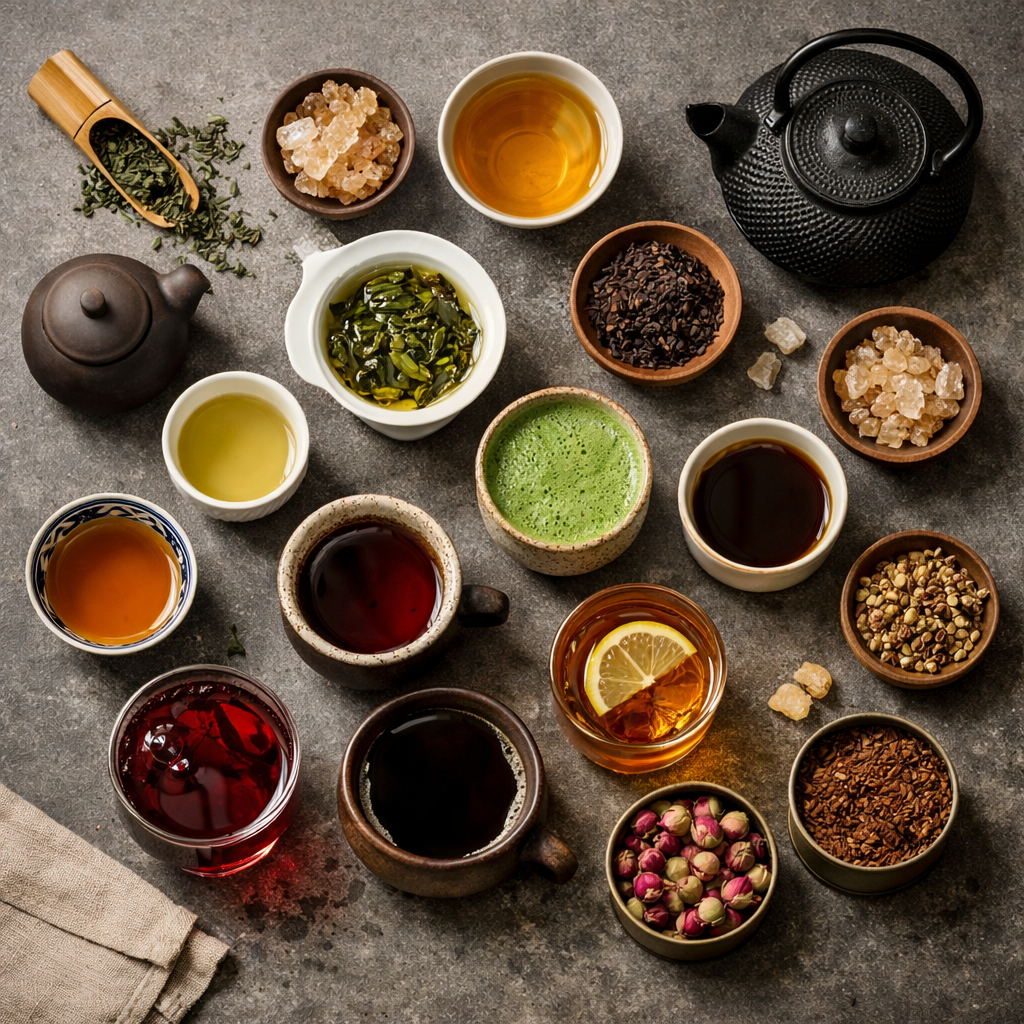
This is why thoughtful teaware selection matters, especially for teas that evolve across the cup. How to Choose the Right Teaware for Different Types of Tea explains how shape and material influence not just heat, but perception.
A good cup helps tea change gracefully.
Cooling Is a Skill, Not a Delay
Many traditional tea practices are built around intentional cooling.
Small pours. Multiple infusions. Short steeps. These methods create natural temperature shifts that reveal different aspects of the same leaves over time.
If you want to experience how cooling fits into a larger rhythm of tea drinking, 20 Tea Rituals & Skills Every Thoughtful Tea Drinker Should Experience explores practices that turn waiting into discovery.
Cooling is not inactivity. It is participation.
A Simple Cooling Practice to Try Today
Use this once and notice the difference:
Brew tea as usual.
Smell immediately, but do not sip.
Take a small sip after 30 seconds.
Taste again halfway through the cup.
Finish the tea when it is warm, not hot.
Most teas reveal more character at the end than the beginning.