Cocktail Archive: Boulevardier (United States)
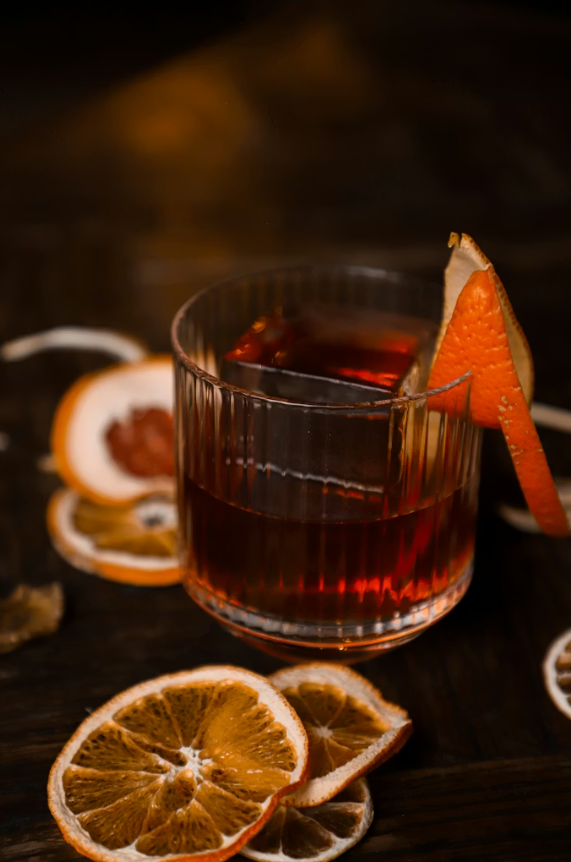
The Boulevardier carries a sense of evening confidence. Deep amber in colour and quietly aromatic, it feels composed from the moment it is set down. There is warmth here, but also structure. The first sip is firm and bittersweet, unfolding slowly with layers of spice, citrus, and oak. This is a cocktail that prefers a measured pace.
Often chosen when the night has already settled in, the Boulevardier feels reflective rather than celebratory. It is not designed to refresh. It is designed to linger. Each sip encourages pause, inviting conversation to slow and attention to sharpen.
Origin & Cultural Context
The Boulevardier emerged in the early twentieth century and is most closely associated with American expatriate culture in Paris. Structurally, it mirrors the Negroni, substituting gin with bourbon or rye, and in doing so shifts the drink from aperitivo brightness toward richer, deeper tones.
This simple substitution gave the Boulevardier a distinctly American character. It bridges Italian bitterness with American whiskey warmth, sitting comfortably between European café culture and the darker, more contemplative drinking habits that followed dinner rather than preceded it.
What Defines the Boulevardier
The Boulevardier is defined by weight and balance. Whiskey provides body and depth, while sweet vermouth rounds the edges and Campari contributes a steady bitterness that anchors the drink. Compared to the sharper, spirit-forward clarity of the Old Fashioned, the Boulevardier feels broader and more layered.
It also shares structural DNA with the Manhattan, though the presence of Campari introduces a bitterness that changes the drink’s emotional register. Where the Manhattan feels formal, the Boulevardier feels worldly.
Ingredients
Bourbon or rye whiskey
Sweet vermouth
Campari
Orange peel
Equipment Needed
Mixing glass
Bar spoon
Strainer
Chilled rocks glass
Method
Add all liquid ingredients to a mixing glass filled with ice
Stir until well chilled and properly diluted
Strain over a large cube into a rocks glass
Express orange peel over the surface and garnish
Notes & Variations
Choice of whiskey shapes the Boulevardier significantly. Bourbon brings sweetness and roundness, while rye introduces spice and dryness. Vermouth freshness is essential, as oxidation quickly dulls the drink’s clarity. Ice should be cold and substantial, encouraging slow dilution rather than rapid melt.
The Boulevardier is often grouped alongside other enduring classics that rely on balance rather than novelty. Its structure appears frequently in discussions of modern cocktail classics, particularly when examining how small changes create meaningful shifts in character.
When to Drink It
This is a cocktail for late evenings and quiet rooms. It works best after dinner, during cooler weather, or when the moment calls for something grounding. Served deliberately and without excess garnish, it rewards slow attention.
For those interested in how service and pacing influence the experience, the ultimate guide to bar etiquette provides useful context, while the art of garnishing explains why a single expressed peel is enough.
The Boulevardier remains timeless because it understands restraint. Quietly bitter, gently warming, and built to last, it belongs to the long part of the night.