The Hidden Language of Cafés: What Baristas Notice That You Don’t
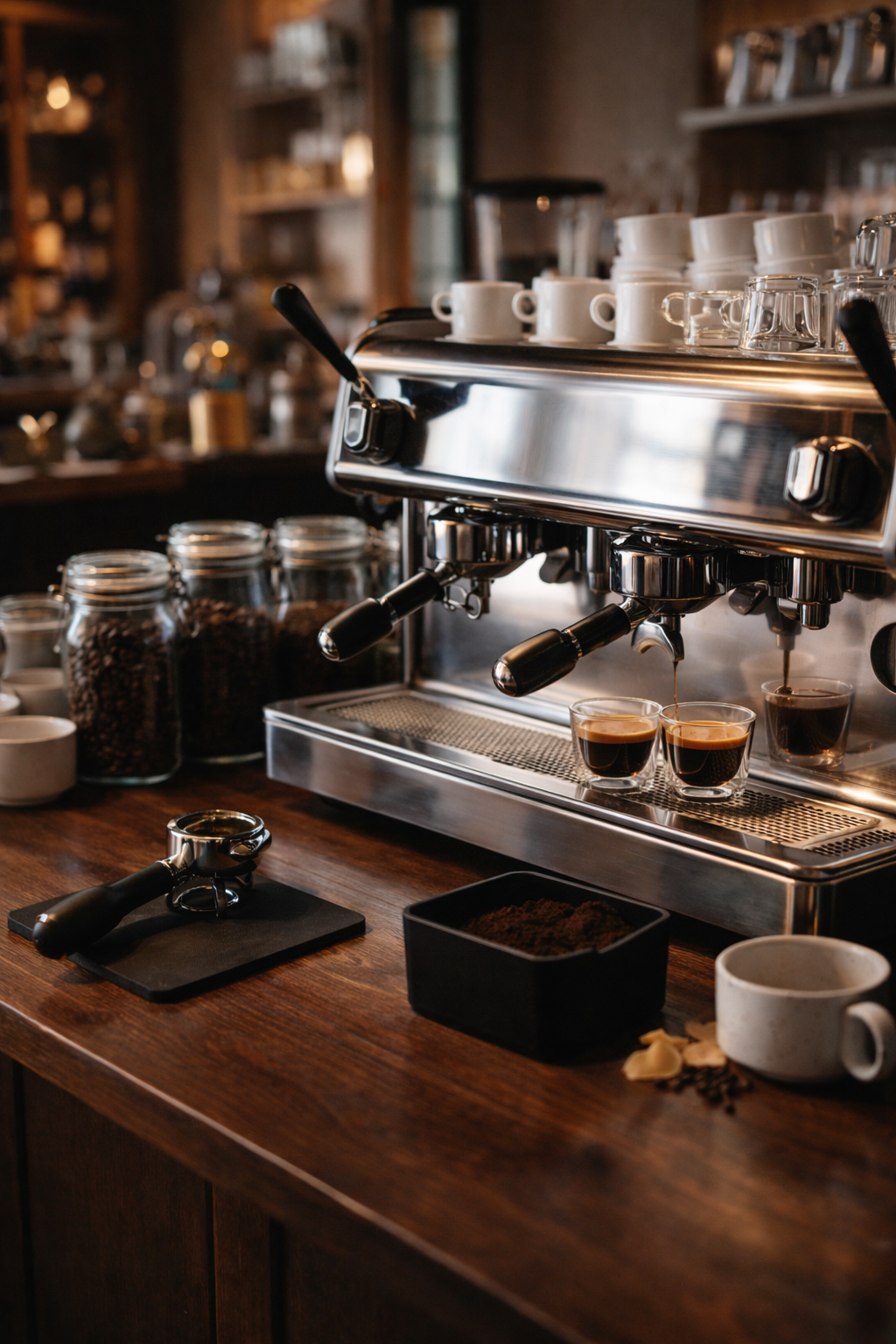
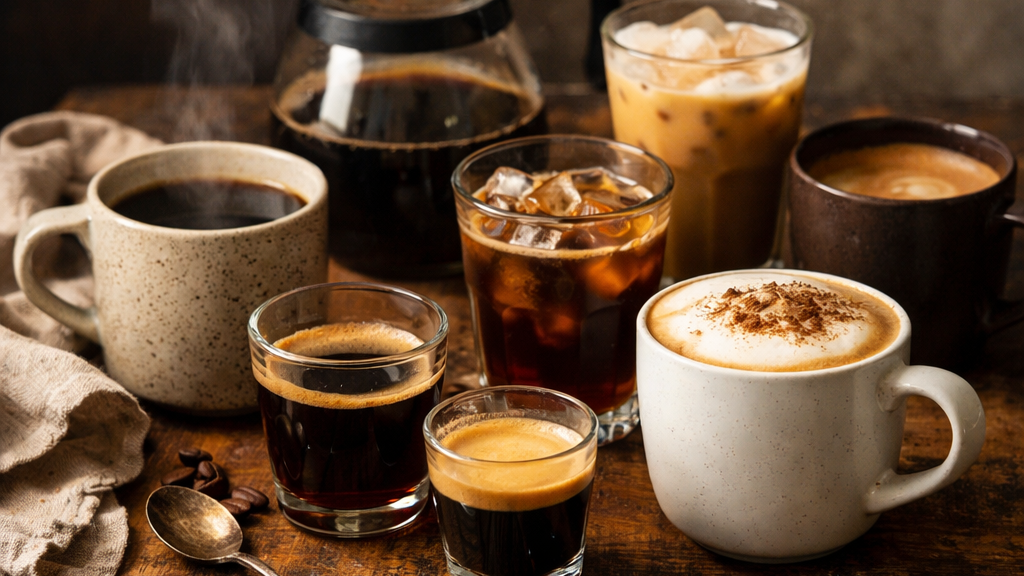
You walk into a café, place your order, wait for your name to be called, and leave with a cup. Simple. But behind the counter, far more is happening. Baristas are reading signals — from how you order to how you react to flavour. Cafés have a quiet language. Most guests never realise it exists.
At The Drink Journal, we believe understanding this language changes how you experience coffee.
1. How You Order Reveals Your Preferences
When you say, “Just a coffee,” a barista has to interpret what that means.
Do you want something bright? Chocolatey? Strong? Milk-based?
Clear communication helps. If you’ve read How to Read a Coffee Menu Like a Local Anywhere in the World, you’ll know that menu descriptions are signals — acidity level, origin, roast profile. Baristas use the same signals when you speak.
The more specific you are, the better the cup you’ll receive.
2. Your Reaction to Acidity Tells a Story
Specialty coffee often highlights brightness.
Some guests immediately describe it as “sour.” Others describe it as “fruity” or “clean.” That difference reveals experience level.
In A Beginner’s Guide to Understanding Specialty Coffee: From Beans to Brewing, we explain how acidity functions as structure — not flaw.
Baristas notice how you respond to it. It shapes what they recommend next time.
3. Your Brewing Curiosity Signals Engagement
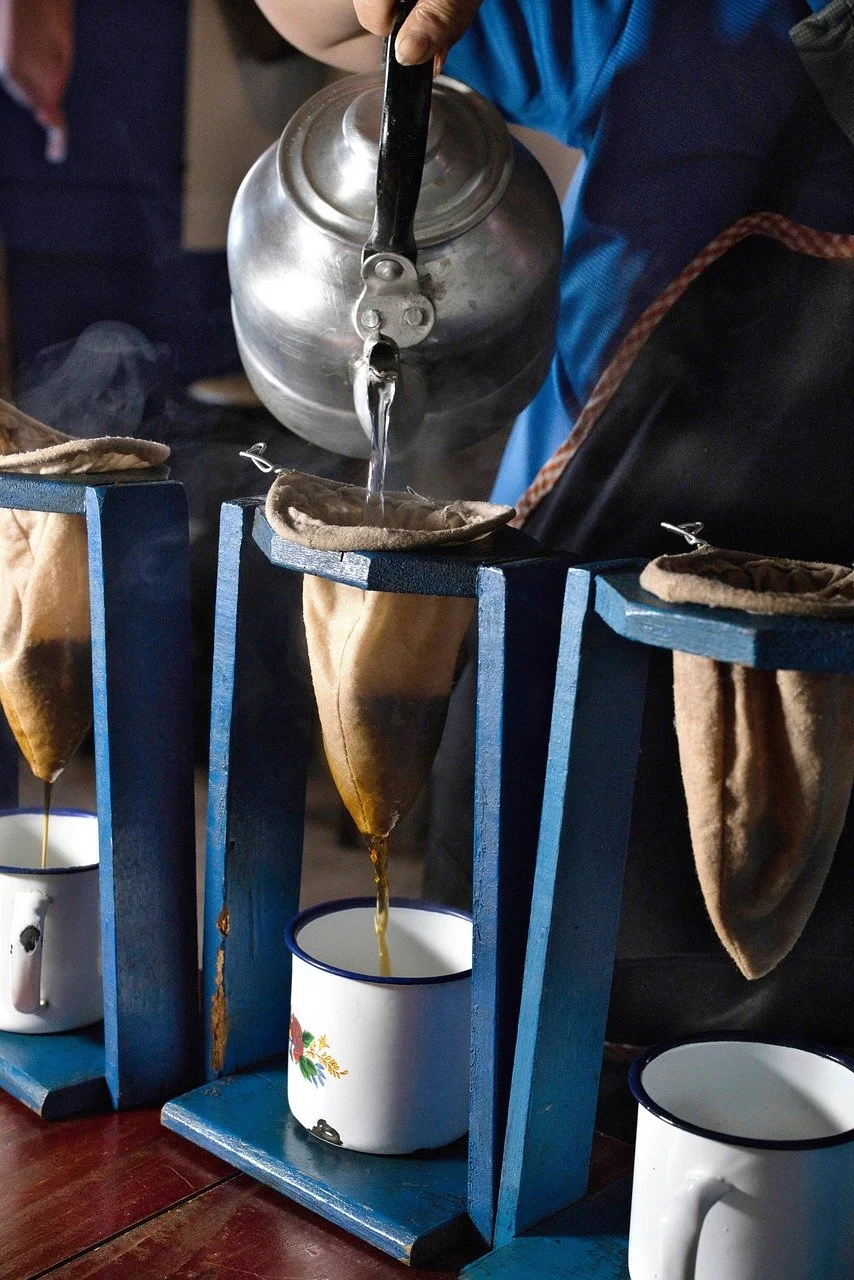
Ask about the brewing method, and the conversation shifts.
Baristas pay attention to whether you’re curious about pour-over versus espresso, or if you’re simply in a rush. That curiosity tells them how much detail to offer.
If you’re unsure how methods affect flavour, revisit How to Choose the Right Brewing Method: Coffee Equipment Explained Simply.
Understanding method is part of the café language.
4. They Notice What You Leave Behind
Half-finished cup?
Fully empty mug?
Request for sugar after the first sip?
These are silent feedback signals.
Cafés focused on quality — like the culture explored in Orsonero Coffee: Milan’s Quiet Coffee Revolution — observe patterns carefully. They adjust grind size, dial-in timing, and even bean selection based on guest response.
Coffee service is dynamic.
5. Pace Matters
Are you lingering with a book? Working on a laptop? Meeting someone? Grabbing takeaway?
Baristas read pace the way bartenders read a bar.
If you’re settling in, they may recommend something slower — a manual brew, perhaps. If you’re rushing, they’ll prioritise efficiency.
The interaction is subtle, but intentional.
Cafés Are Conversations
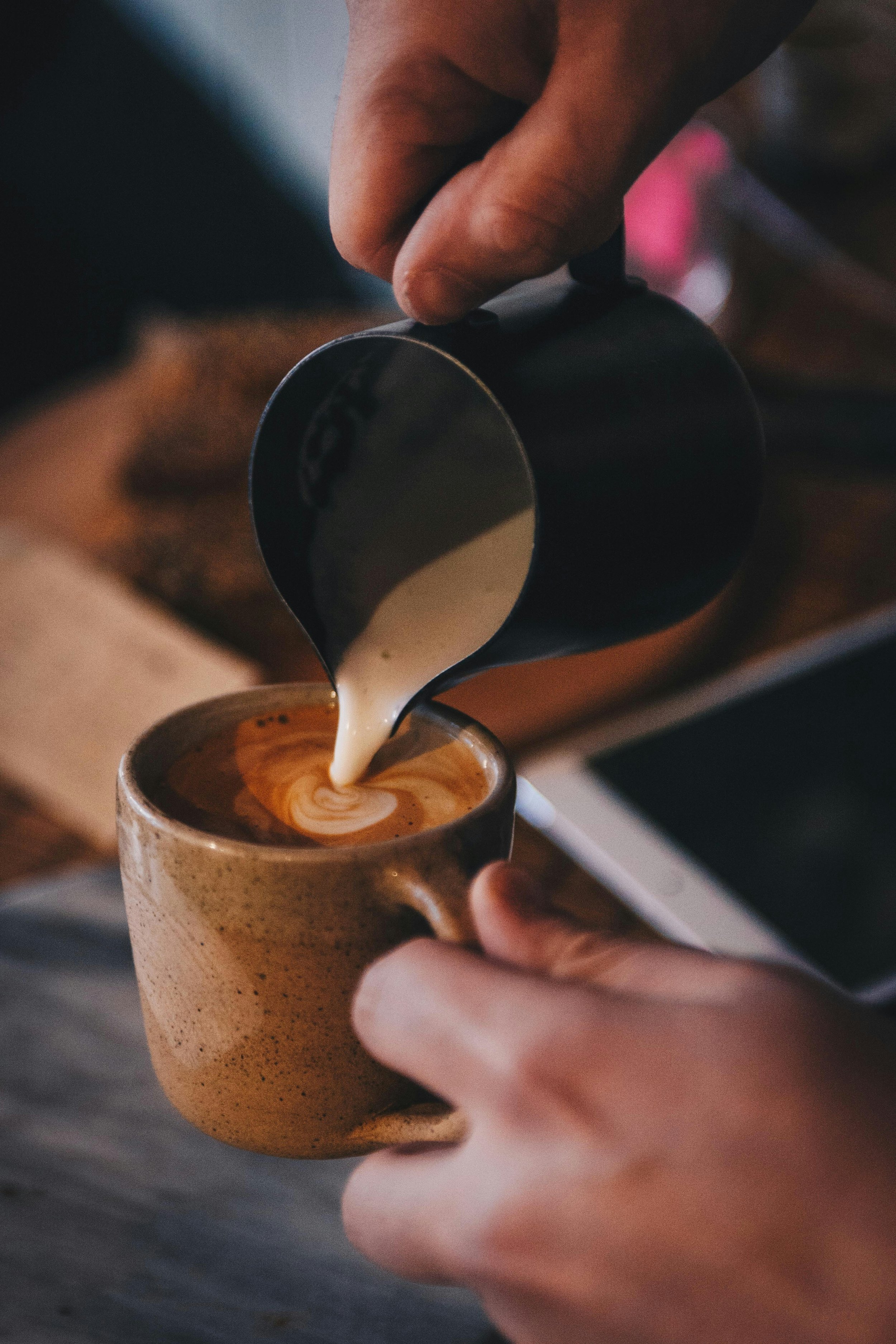
The best cafés aren’t just serving drinks. They’re building relationships.
The hidden language is about clarity, awareness, and mutual respect. When you understand how cafés function behind the counter, you stop feeling like an outsider.
At The Drink Journal, and in our story shared in About TDJ, we return to one theme again and again: fundamentals create fluency.
Next time you order, try this:
Be specific.
Notice the method.
Pay attention to your reaction.
Offer feedback.
You might discover the conversation was always there.
FAQ — Understanding Café Culture
1. Why do baristas ask follow-up questions about my order?
They’re clarifying preferences to deliver a better cup, not testing your knowledge.
2. Is it rude to ask questions about the beans or brewing method?
Not at all. Thoughtful curiosity is usually welcomed.
3. Why does specialty coffee taste brighter than what I’m used to?
Higher-quality beans often highlight acidity for clarity and balance.
4. Do baristas remember regular customers’ preferences?
Often, yes. Consistent orders create patterns they recognise.
5. How can I become more confident in cafés?
Learn basic menu terminology, communicate preferences clearly, and stay open to small suggestions.
For the Curious Coffee Drinker