
Cocktail Archive: Caipirinha (Brazil)
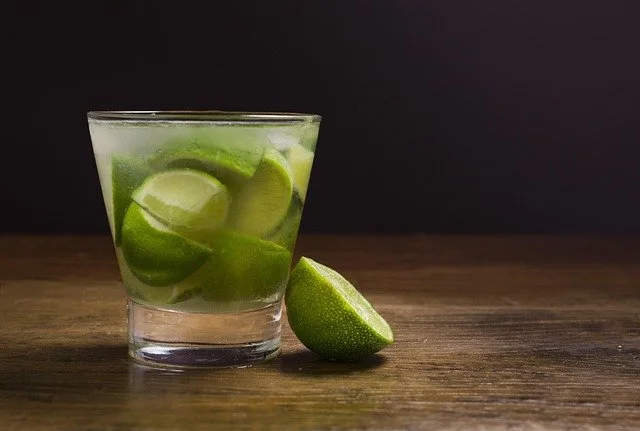
The Caipirinha is vivid and immediate. Served cold and aromatic, it delivers lime with intensity and sugar with purpose, anchored by the grassy, unmistakable character of cachaça. This is not a polished drink. It is alive, tactile, and unapologetically direct. Each sip feels freshly assembled, as if the glass is still settling into place.
The Caipirinha belongs to heat and movement. It is social, energetic, and grounded in sensation rather than ceremony. When made well, it feels balanced without smoothing its edges, refreshing without becoming passive.
Origin & Cultural Context
The Caipirinha is Brazil’s national cocktail, born from a tradition of combining lime, sugar, and cachaça in practical, everyday settings. Its roots lie far from formal bars, shaped instead by climate, agriculture, and habit. Cachaça, distilled from fresh sugarcane juice, gives the drink its defining character and ties it directly to Brazilian identity.
In the broader cocktail landscape, the Caipirinha plays a foundational role similar to the Daiquiri. Both rely on the same elemental structure of spirit, citrus, and sugar, yet express it through entirely different textures and temperaments.
What Defines the Caipirinha
The Caipirinha is defined by freshness and force. Lime is muddled, not juiced, bringing oil, bitterness, and acidity together. Sugar tempers the sharpness, while cachaça provides a vegetal depth that remains present throughout. Compared to the clean precision of a Whiskey Sour, the Caipirinha is rougher and more expressive, designed to be felt as much as tasted.
It also stands apart from spirit-forward classics like the Old Fashioned. Where those drinks are composed and settled, the Caipirinha is active and bright, meant to cut through heat and noise.
Ingredients
Cachaça
Fresh lime
Sugar
Equipment Needed
Rocks glass
Muddler
Bar spoon
Method
Cut lime into wedges and place them in the glass with sugar
Gently muddle to release juice and oils
Fill the glass with ice and add cachaça
Stir to combine and serve
Notes & Variations
Gentle muddling matters. Crushing the lime too aggressively releases bitterness that overwhelms the drink. Sugar should dissolve enough to integrate, but not disappear entirely. The Caipirinha benefits from texture as much as balance.
Because the drink is so exposed, ingredient quality shows immediately. Cachaça choice defines the profile, from grassy and sharp to rounder and softer. Presentation should remain honest and functional. The art of garnishing explains why additional garnish adds little to a drink already driven by aroma and texture.
When to Drink It
The Caipirinha is best enjoyed in heat, noise, and motion. It suits outdoor gatherings, long afternoons, and moments when refreshment needs energy rather than calm. Served cold and stirred in the glass, it stays engaged from first sip to last.
Understanding pacing and ordering improves the experience. The ultimate guide to bar etiquette explores how drinks like the Caipirinha benefit from timing and rhythm, while how to pair cocktails with food offers insight into why its acidity and intensity work well alongside grilled and savoury dishes.
The Caipirinha endures because it refuses refinement. Bright, raw, and grounded in place, it delivers refreshment with character and clarity.
