Coffee Classics: Thai Oliang (Thailand)
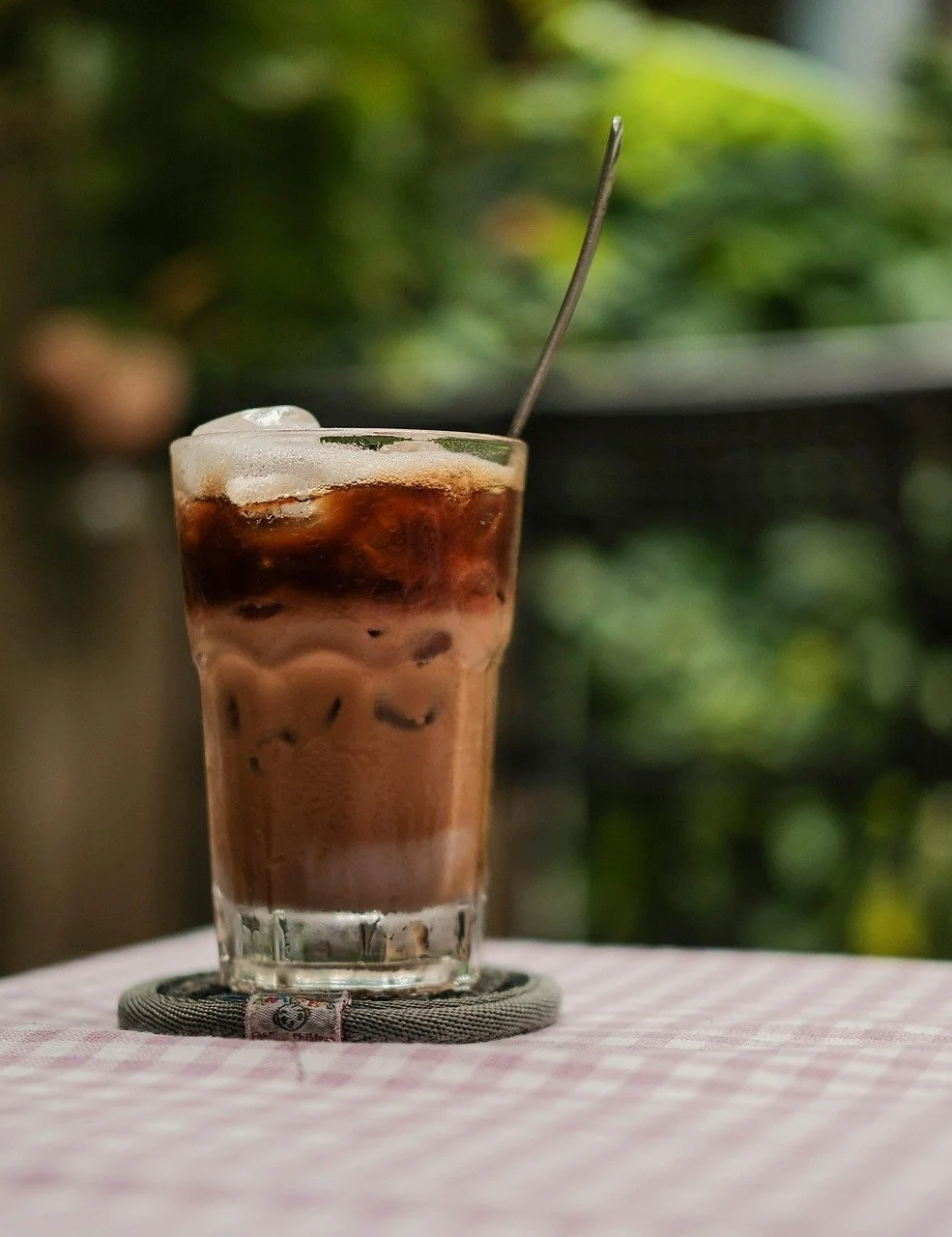
Thai Oliang is a drink born from street stalls, warm evenings, and the rhythm of Thai daily life. Its name comes from the Teochew words for black and cold, and the flavour reflects that heritage. Oliang is bold, sweet, and comforting, brewed through a cloth sock with a blend of coffee, roasted grains, and sometimes corn or sesame. The result is a drink with depth and softness, a cup that feels both familiar and distinctly Thai.
The brewing method is simple yet expressive. A cloth filter filled with finely ground coffee and grain blend is placed over a metal pot, and boiling water is poured through in slow, steady movements. The flavour is strong, earthy, and aromatic. Sweetness comes not from gentle milk but from generous spoonfuls of sugar dissolved directly into the hot brew. While modern cafés often present cleaner, lighter interpretations of coffee, the heart of Oliang still resonates in the way vendors pour, mix, and serve each cup with practiced ease. The attention to craft can feel similar to the steady hands found in Sarnies Café Sukhumvit, where the balance of body and sweetness is treated carefully.
Oliang has a companion drink, Thai iced coffee with condensed milk, but the traditional black version carries a unique clarity. It is sweet without being heavy and strong without losing smoothness. Readers who enjoy exploring regional brewing traditions will recognise how Oliang fits into the broader picture of global classics described in 20 Must-Try Classic Coffee Beverages From Around the World. The drink is a reminder that Southeast Asian coffee culture is as layered and intricate as its cuisine, shaped by migration, trade routes, and local taste.
On hot afternoons, Oliang poured over ice becomes something refreshing and bright, the sweetness rising first, followed by a lasting coffee finish. The contrast of coolness and intensity mirrors the vibrant atmosphere of Thai markets, where colour, sound, and movement surround the simple pleasure of a cold drink. Cafés with a strong craft ethos, such as Gracenote Coffee, reflect a similar dedication to shaping flavour through method and patience, even across different cultures.
Bold aroma.
Dark sweetness.
A cup shaped by the rhythm of the street.
Ingredients
For one tall serving:
15 to 20 g Thai Oliang powder mix
(typically coffee blended with roasted corn, soybeans, or sesame)250 ml boiling water
1 to 2 tablespoons sugar
Optional:
Ice
30 to 40 ml evaporated milk (for the creamy variant)
Equipment Needed
Essential
Cloth coffee sock (Thai style)
Allows fine grounds and roasted grains to infuse deeply.Metal pot or heatproof pitcher
Holds the brewed coffee as it drips through.Kettle
Needed for a continuous stream of boiling water.
Optional or Modern Alternatives
Pour-over cone with cloth filter
Produces a slightly lighter cup.Measuring scale
Ensures consistent sweetness and strength.Tall glass for iced preparation
Method
1. Prepare the Coffee Sock
Rinse the cloth filter with boiling water to warm it and remove any lingering aroma.
Place it securely over the metal pot.
2. Add the Coffee Mix
Spoon the Oliang powder into the sock.
Shake gently to level the grounds so extraction is even.
3. Pour the Water
Bring water to a full boil.
Slowly pour 250 ml through the sock, allowing the coffee to drip steadily into the pot.
Repeat the pour once for a stronger brew.
4. Sweeten the Coffee
Add sugar directly into the hot coffee and stir until dissolved.
The drink’s signature sweetness depends on dissolving sugar while the coffee is still very hot.
5. Serve Hot or Iced
For hot Oliang, pour immediately into a cup.
For iced Oliang, fill a tall glass with ice and pour the sweetened brew over it.
Optional: add evaporated milk for a gentler, creamier variation.
Notes
Thai Oliang blends vary widely. Some have more roasted grains, others more sesame or corn. Adjust your sugar and water ratios accordingly.
For deeper insight into brewing styles and equipment choices, explore How to Choose the Right Brewing Method.
Readers interested in exploring coffee craft with a modern lens can visit A Beginner’s Guide to Understanding Specialty Coffee.
The iced version is especially popular in Thailand’s humid climate, offering a refreshing contrast to street market heat.