Tea Collection: Matcha (Japan)
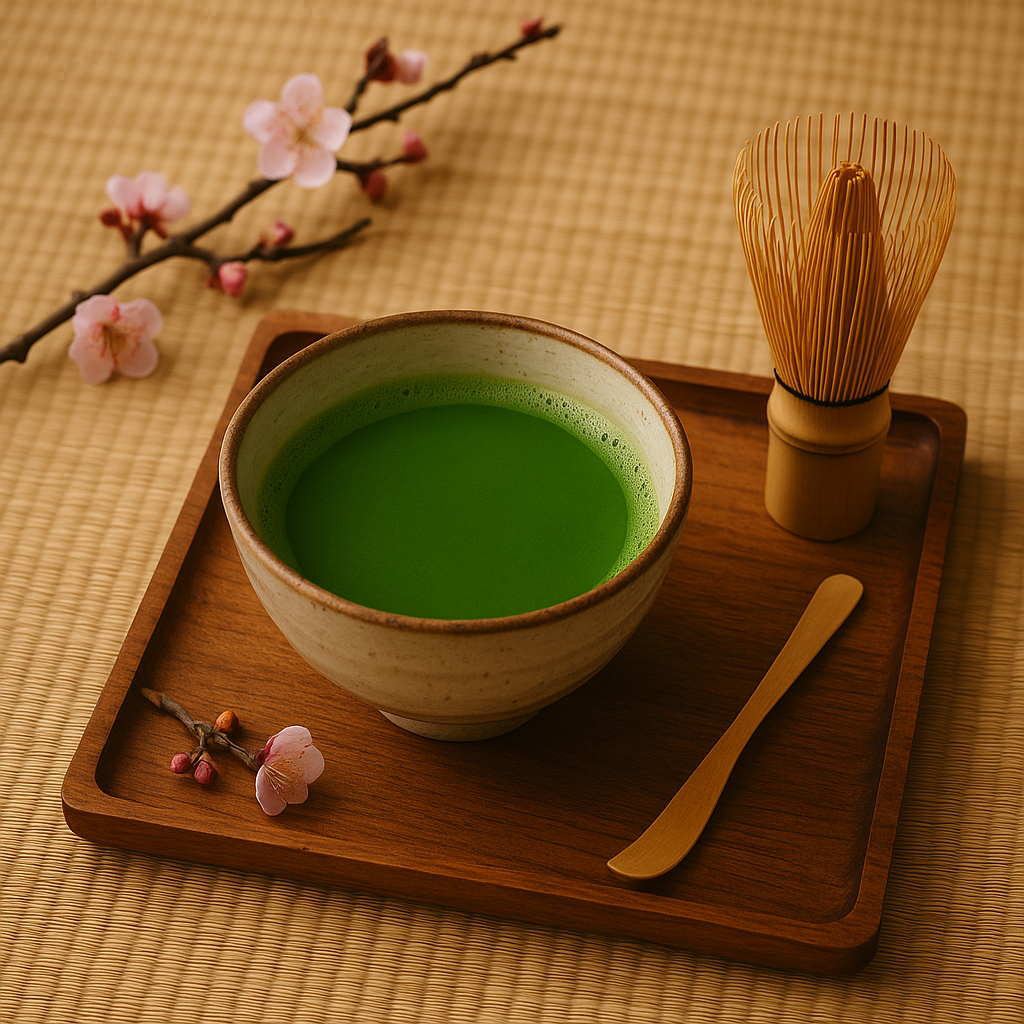
What is Matcha?
Matcha is a ceremony of stillness.
Before it becomes a cup, it is a field of shade-grown leaves—tender, vivid, protected from the sun so their chlorophyll deepens and their flavour becomes round and sweet. These leaves are steamed, dried, and stone-milled into a fine, emerald powder so delicate that a breath can lift it from the bowl.
In Japan, matcha is less a drink and more a moment suspended in quiet precision. Every motion—the sift, the scoop, the whisk—creates its own rhythm. The tea does not steep; it dissolves, binding its entire essence to the water. What you taste is not an infusion but the whole leaf, alive with umami, grassy sweetness, and a touch of ceremonial calm.
Modern matcha culture stretches far beyond tatami rooms. Specialty cafés around the world honour its clarity and discipline, much like the refined minimalism found in places such as Yugen Tea Bar in South Yarra, where Japanese aesthetics blend with contemporary craftsmanship. To understand matcha in a broader context, guides like The Art of Asian Tea or The Modern Tea Lover’s Guide remind us how this green powder connects to a family of traditions shaped by climate, cultivation, and ritual.
Ingredients
1–2 tsp ceremonial-grade matcha powder
60–70 ml hot water (75–80°C)
Equipment Needed
Chawan (matcha bowl)
Chasen (bamboo whisk)
Chashaku (bamboo scoop)
Fine sieve
Method
Sift the matcha powder into the bowl to remove clumps.
Heat water to 75–80°C for optimal sweetness and balance.
Pour a small amount of water over the powder and whisk gently to form a paste.
Add the remaining water.
Whisk in a rapid “M” motion until a fine, even foam appears on the surface.
Drink immediately, while the aroma is bright and the texture still silky.
Notes
Matcha’s flavour depends heavily on leaf quality, milling precision, and water temperature. If you're exploring Japanese tea beyond matcha, the steamed vibrancy of Sencha offers a complementary comparison—lighter, more vegetal, shaped by infusion rather than suspension. For a broader lens on craftsmanship, teas like Jasmine Silver Needle reveal how floral scenting transforms green-tea foundations into something aromatic and ethereal.
To understand matcha’s place in the global tea movement, cafés such as Hopetoun Tea Rooms in Melbourne show how historic tearoom traditions adapt ceremonial Japanese techniques with elegance and warmth.