How to Tell If a Cocktail Bar Is Actually Good
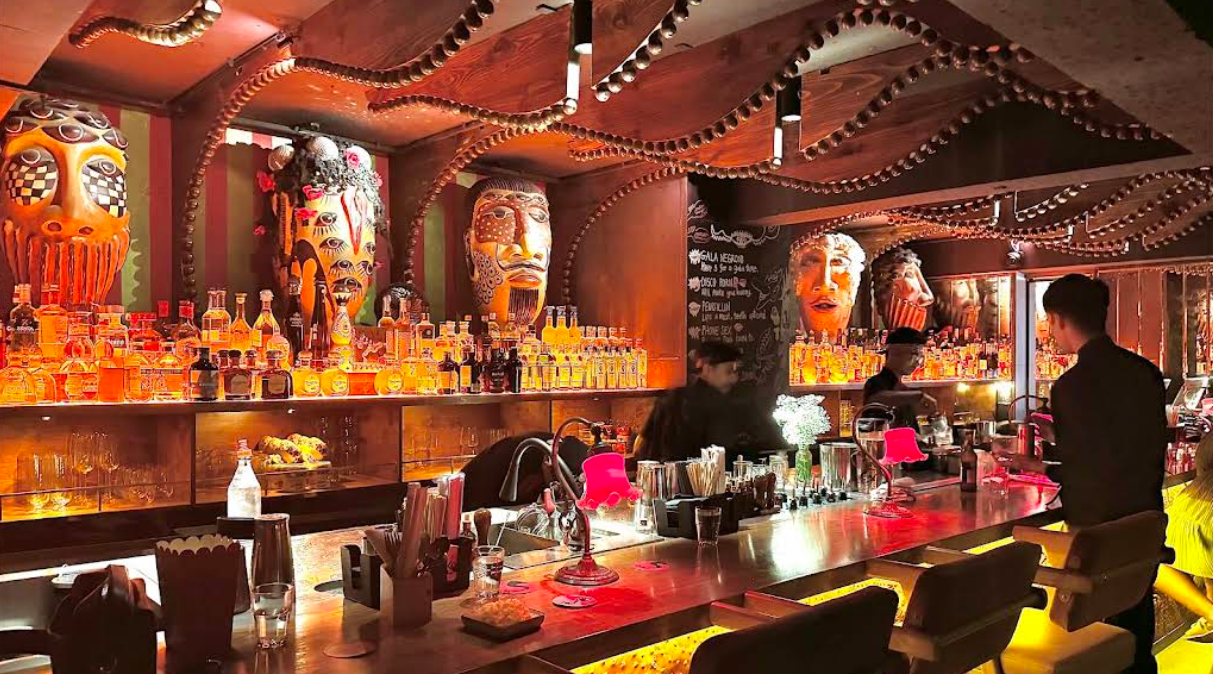
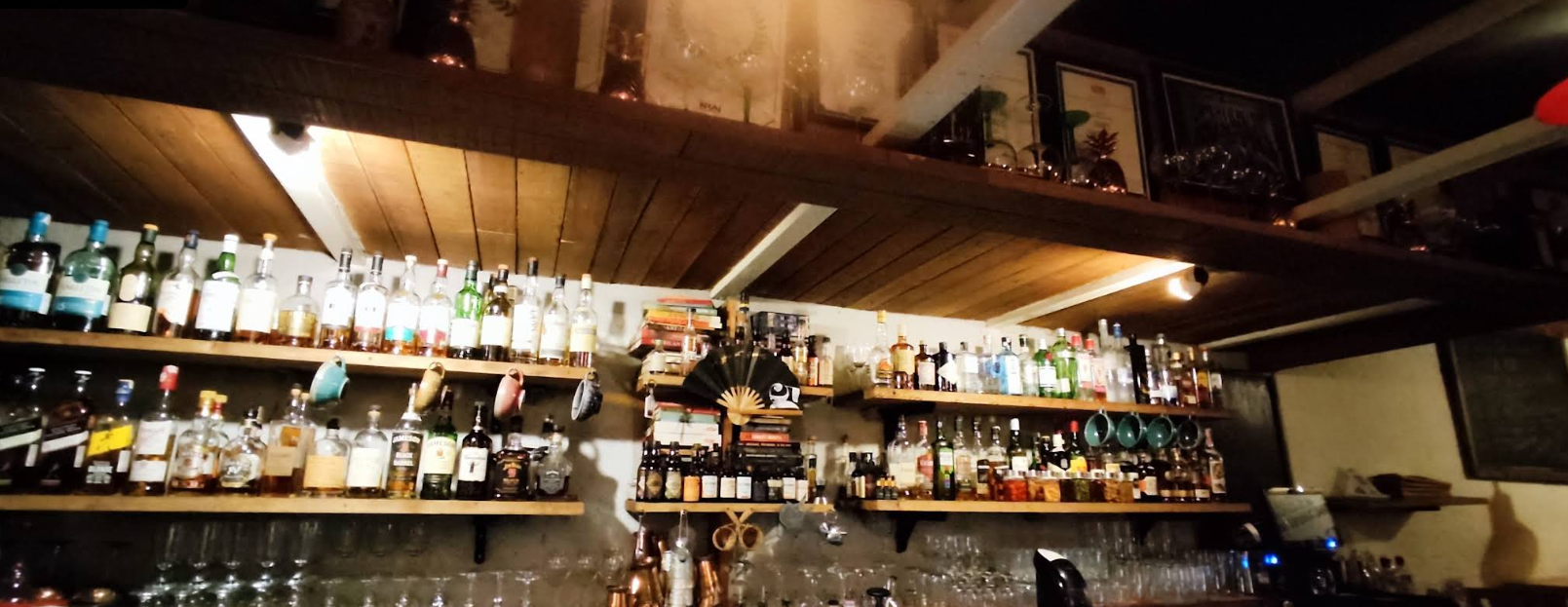
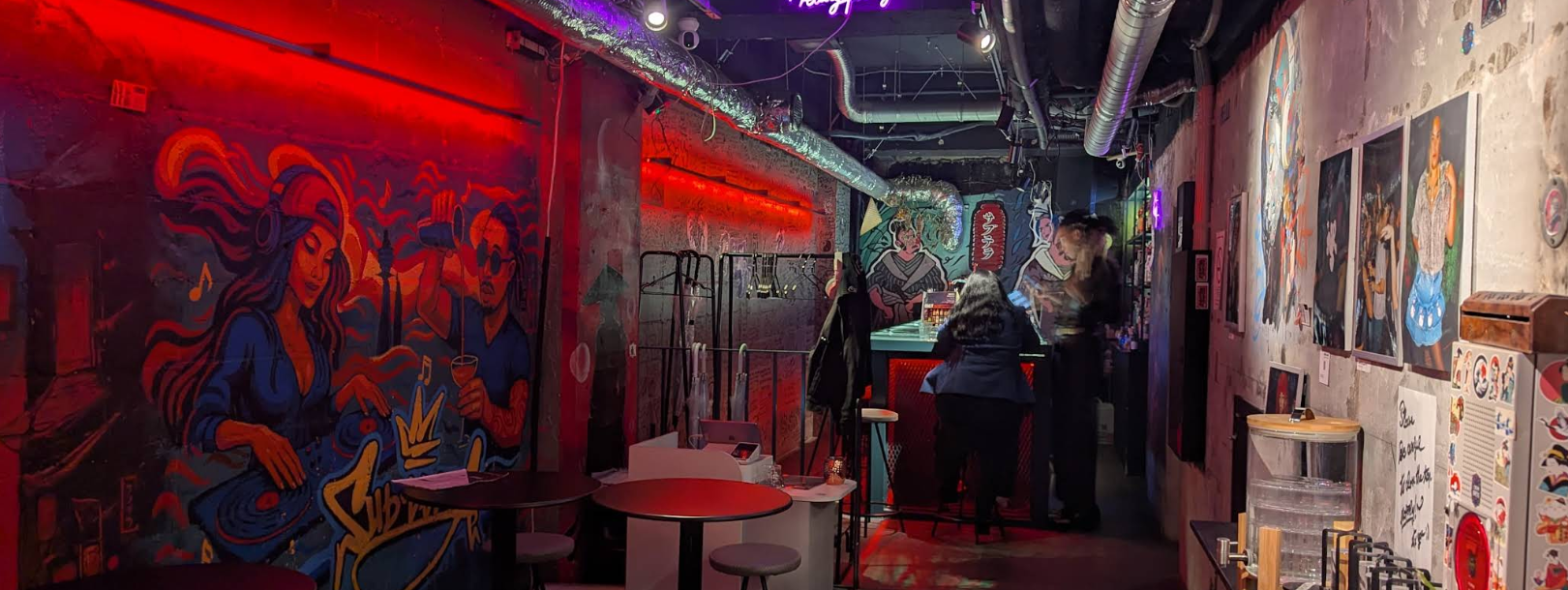

Not every dimly lit room with a marble counter and a wall of bottles is a great cocktail bar. Some places rely on mood alone. Others hide weak drinks behind novelty glassware, smoke, or spectacle. A genuinely good cocktail bar reveals itself more quietly, often before the first sip even reaches the table.
This guide brings together ideas explored across The Drink Journal’s cocktail guides — from menu literacy to ice, glassware, garnish, and etiquette — to help you recognise quality with confidence, even if you have never worked behind a bar.
A good cocktail bar does not try to impress loudly. It earns trust through consistency.
Start With the Menu, Not the Mood
Before you order anything, take a moment to actually read the menu.
A strong cocktail menu communicates intention. Drinks are grouped logically. Descriptions are clear without being theatrical. Classics are either respected or reinterpreted with restraint. When menus rely heavily on clever names but avoid explaining structure, balance, or base spirits, it often signals style over substance.
If you ever find yourself unsure what you are looking at, our guide on
how to read a cocktail menu when you don’t recognise half the drinks
helps you spot the difference between thoughtful curation and confusion dressed up as creativity.
Good bars use menus to communicate philosophy, not to perform intelligence.
Ordering Should Feel Easy, Not Performative
The moment you place your order reveals a great deal about a cocktail bar.
In a good bar, ordering feels natural. Bartenders listen closely, ask a simple follow-up if needed, and guide you without making you feel tested or corrected. There is no pressure to sound knowledgeable, no subtle judgement if you order a classic, and no push toward the most expensive or complicated drink on the menu.
This ease is not accidental. It comes from shared expectations between guests and staff, something we explore in
The Ultimate Guide to Bar Etiquette for Guests and Bartenders.
When a bar understands etiquette as hospitality rather than rules, ordering becomes a conversation instead of a performance.
A confident cocktail bar makes guests feel comfortable long before the drink arrives.
Watch the Ice Before You Taste the Drink
Ice is one of the clearest indicators of technical competence.
In serious cocktail bars, ice is intentional. Clear cubes, consistent shapes, and sizes matched to drink styles all signal care. Stirred drinks arrive cold and composed, not watery. Shaken drinks feel lively but controlled.
If you want to understand why ice matters so much,
how to use ice to control dilution in cocktails
breaks down how ice quietly shapes balance, texture, and flavour.
Sloppy ice almost always means sloppy thinking elsewhere.
Glassware Should Make the Drink Make Sense
Good glassware choices feel invisible — because they work.
The vessel should support aroma, temperature, and how the drink meets your palate. Short drinks feel grounded. Tall drinks breathe. Aromatic cocktails arrive in glasses that gather scent rather than scatter it.
If you are curious why this matters,
how to choose the right glass for any cocktail
explains how form supports function rather than aesthetics alone.
When glassware feels random, the drink usually does too.
Balance Comes Before Shock Value
Great cocktail bars do not chase extremes.
You rarely encounter drinks that are aggressively sweet, bitter, smoky, or acidic without reason. Balance comes first. Complexity follows quietly. Even challenging flavours feel composed rather than confrontational.
This is why classics endure. A well-made Negroni, Old Fashioned, or Whiskey Sour tells you more about a bar’s skill than the most elaborate house creation ever will.
Garnish Should Contribute, Not Distract
Garnish is not decoration. It is part of the drink.
In good bars, garnish adds aroma, texture, or temperature contrast. It never blocks your sip or demands to be removed. It feels fresh, restrained, and relevant.
If you want to sharpen your eye,
the art of garnishing and elevating the cocktail experience
shows how subtle decisions separate elegance from excess.
When garnish becomes the main event, the drink underneath is often doing less work.
The Room’s Rhythm Tells the Final Story
Finally, look beyond the glass.
Good cocktail bars move at a steady, intentional pace. Bartenders are busy but not frantic. Conversations feel contained. Music supports the room rather than dominating it. Even when full, the space feels controlled.
Many of these cues are shaped by shared expectations between staff and guests.
The ultimate guide to bar etiquette for guests and bartenders
explores how mutual awareness quietly shapes the experience.
If a bar feels rushed, chaotic, or emotionally flat, the issue is rarely just the crowd.
A Quiet Test Before You Leave
Before you finish your drink, ask yourself one question.
Did the bar help the drink shine — or did the drink have to carry the entire experience on its own?
The best cocktail bars almost disappear while you are inside them. They guide your experience without announcing themselves. Once you learn to recognise these patterns, you stop chasing hype and start finding places that understand why people gather around a glass in the first place.