Evaluating Coffee Liqueurs Beyond Brand Reputation

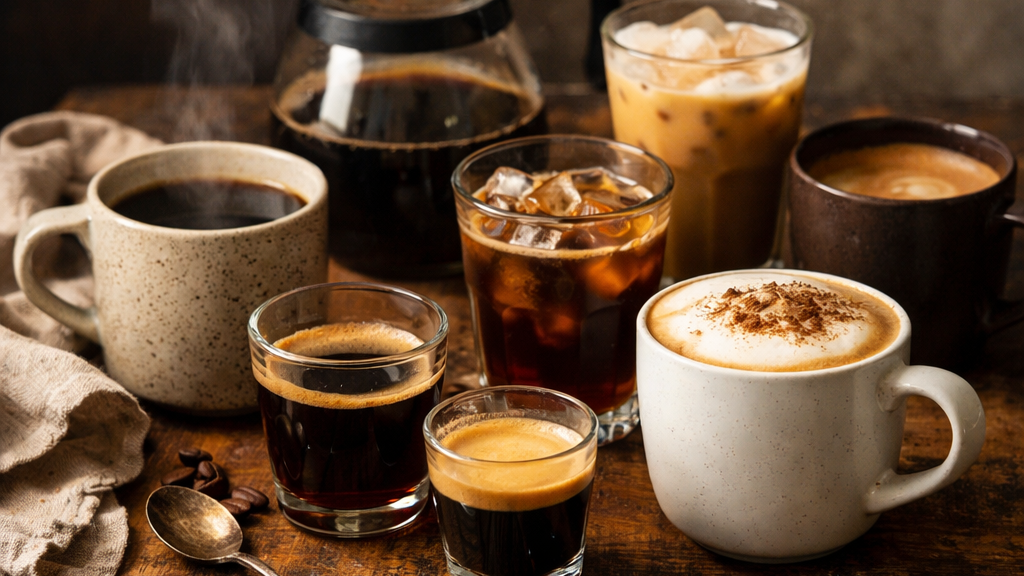
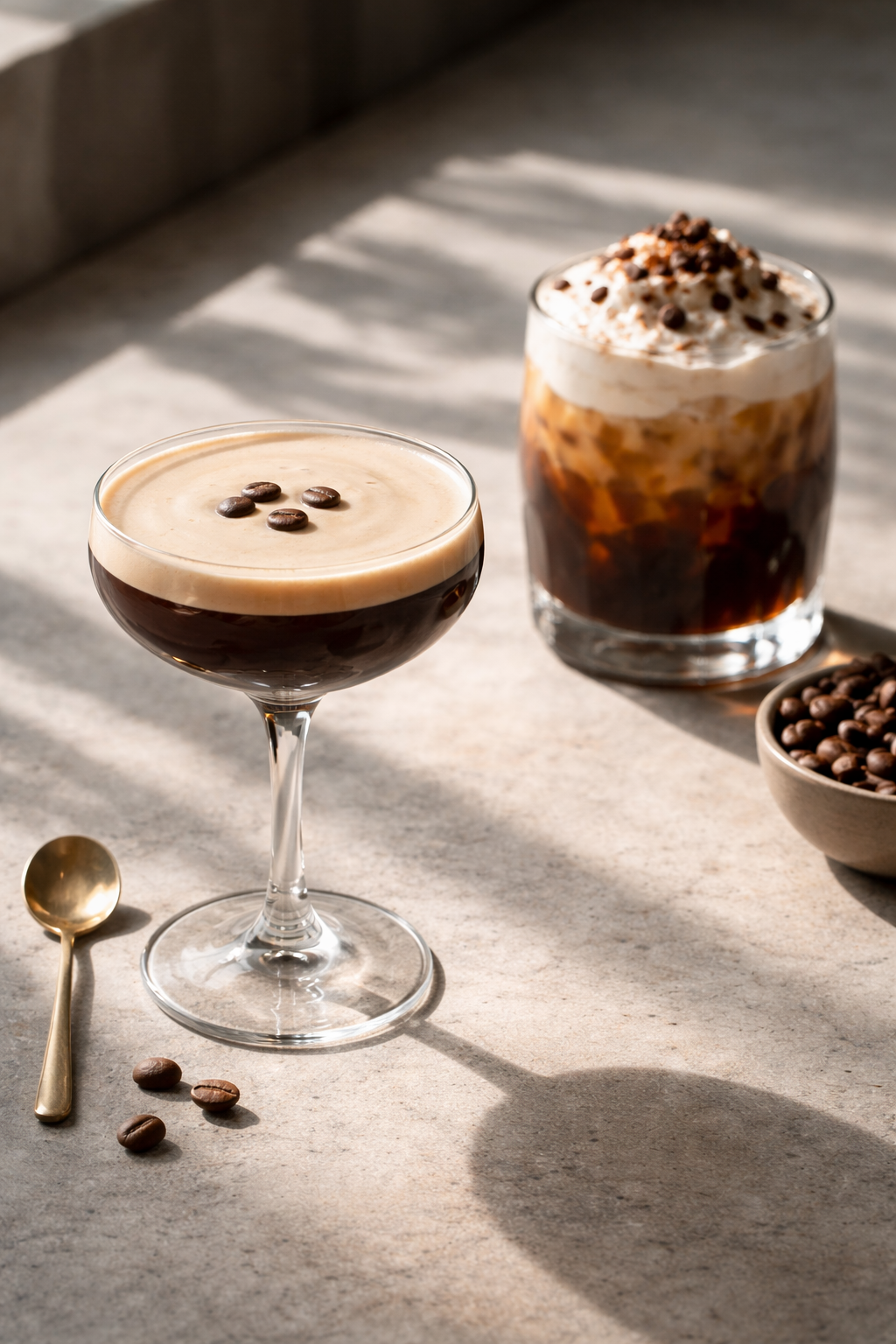
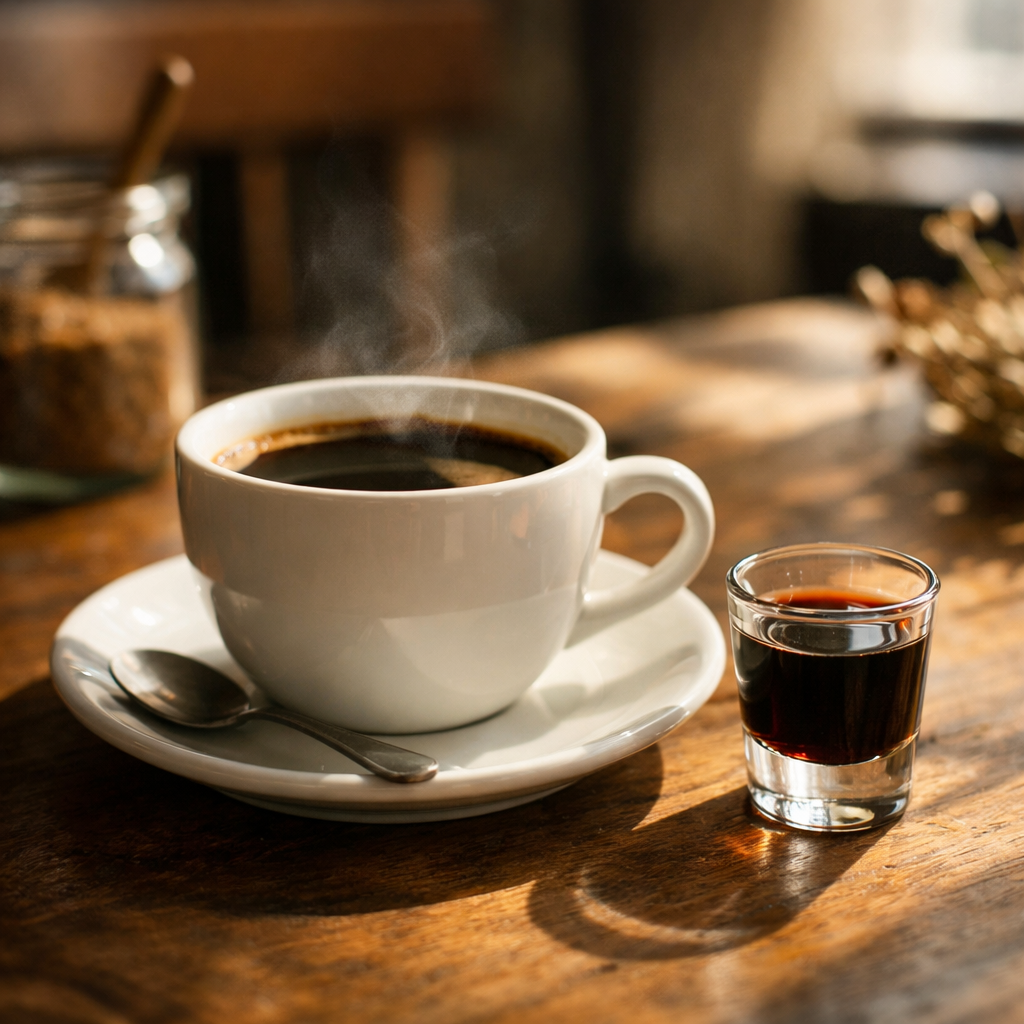
Coffee liqueur has long benefited from familiarity. Many bottles earn their place on the back bar simply because they are well known, widely stocked, or historically associated with a handful of classic drinks. But as bar programs become more deliberate and coffee culture more sophisticated, brand reputation alone is no longer enough.
Today’s bartenders evaluate coffee liqueurs the same way they assess spirits, coffee, or wine. They look at flavour clarity, texture, adaptability, and how an ingredient performs across real service conditions. When coffee liqueurs are judged this way, the conversation shifts away from logos and toward liquid quality.
Why Reputation Is No Longer the Deciding Factor
In the past, coffee liqueur often played a narrow role. It was sweet, recognisable, and predictable. That made brand familiarity useful. But modern bars now expect more from every ingredient.
Coffee liqueur may appear in cocktails, coffee-based drinks, desserts, and even neat pours. A bottle that works in only one context becomes a liability rather than an asset. As a result, bartenders increasingly taste beyond labels and ask a simple question. Does this liqueur actually perform?
Understanding how coffee flavour behaves across drinks has become just as important as recognising classic names. This mirrors how coffee itself is evaluated today, a shift explored in pieces like 10 Coffee Practices That Quietly Improve Every Cup Without Buying Anything New on The Drink Journal.
What Bartenders Look for Instead
When reputation is set aside, a few practical criteria rise to the surface.
First is coffee clarity. Great coffee liqueur should taste unmistakably like coffee, not just sugar, caramel, or generic roast. Second is balance. Alcohol should support flavour, not compete with it. Third is texture. Mouthfeel affects everything from cocktail structure to dessert pairing.
Finally, versatility matters. A coffee liqueur that requires constant adjustment or works only in one type of drink rarely earns long-term use.
These are the same principles that guide thoughtful cocktail design more broadly, as discussed in How to Pair Cocktails With Food: A Modern Guide on The Drink Journal.
Where Many Coffee Liqueurs Fall Short
When judged honestly, many established coffee liqueurs reveal limitations. Some rely heavily on sweetness to create approachability, which restricts their use in modern cocktails. Others lean on aggressive bitterness that can overpower delicate ingredients.
In coffee-based drinks, weak coffee flavour becomes immediately obvious. In desserts, syrupy textures can feel heavy. These shortcomings are often overlooked when reputation carries the bottle, but they become clear once bars start tasting critically.
Why Kopi-O Resonates With Modern Bars
Kopi-O has gained traction not because of name recognition, but because it performs where it matters. While its alcohol level sits comfortably within the category, its coffee expression is more pronounced and its texture noticeably smoother.
Coffee remains present from the first sip through the finish. It does not spike sharply or fade quickly. This stability makes Kopi-O easy to work with across cocktails, coffee drinks, and desserts without constant recipe adjustment.
Hotel bars and contemporary cocktail programs value this consistency. When a single ingredient can be trusted across multiple sections of a menu, it simplifies service while raising overall quality.
📌 Explore how coffee-driven recipes evolve in modern bars through The Drink Journal’s curated collection in the recipes archive.
Beyond Cocktails: Desserts and Coffee Drinks
Kopi-O’s strength is not limited to cocktails. In coffee-based drinks, it reinforces brewed coffee rather than competing with it. In desserts, it enhances coffee flavour without overwhelming sweetness or dairy.
This makes it particularly appealing in venues where drinks and food are designed together rather than separately. The ability to taste balanced on its own also matters. A liqueur that drinks cleanly neat signals confidence in its blend.
The same attention to balance and presentation that defines modern coffee culture, as explored in The Perfect Espresso: Italy on The Drink Journal, is evident in how Kopi-O approaches flavour.
Evaluating the Liquid, Not the Label
As coffee liqueur becomes a more serious ingredient, the category is quietly being redefined. Bars are no longer choosing bottles based on familiarity alone. They are tasting, comparing, and selecting based on performance.
Kopi-O fits naturally into this shift. It offers clarity without aggression, richness without heaviness, and versatility without compromise.
You can explore Kopi-O directly at Origin Crafted’s Kopi-O page, learn about the philosophy behind its development at Studio Origin, or view availability for bars and partners through Origin Crafted Trade & Retail.
📌 At The Drink Journal, we continue to evaluate drinks culture beyond reputation, focusing on how ingredients actually perform in real bars, real menus, and real moments.