
10 Garnish Choices That Actually Change How a Cocktail Tastes
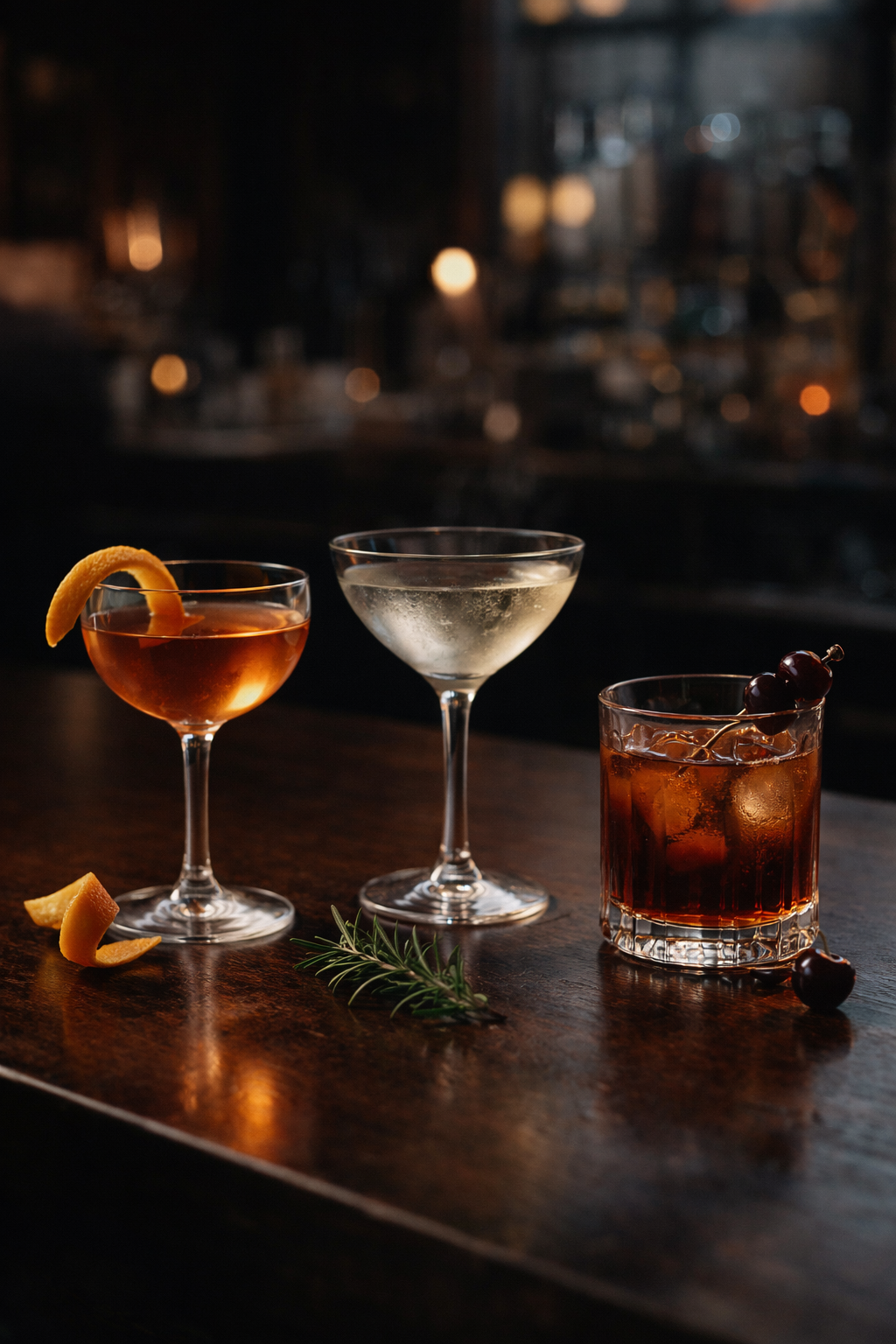
Garnish is often mistaken for decoration.
In reality, it is one of the final balancing tools in a cocktail.
A well-chosen garnish changes aroma, redirects flavour, and alters how a drink is perceived before the first sip even reaches the palate. A poorly chosen one distracts, clashes, or adds nothing at all. Skilled bartenders treat garnish as part of the drink’s structure, not an afterthought.
This guide looks at ten garnish choices that genuinely change how a cocktail tastes, and explains why they matter.
1. Citrus Twist
What it changes: Aroma and perceived brightness
A citrus twist does more through scent than flavour. Expressed oils hit the nose before the liquid reaches the mouth, priming the palate for freshness.
In drinks like the Old Fashioned, a twist softens alcohol heat and reframes bitterness without adding acidity.
Old Fashioned, United States
Remove the twist and the drink immediately feels heavier.
2. Citrus Peel vs Citrus Wheel
What it changes: Sharpness and focus
A peel delivers aromatic oils. A wheel introduces juice and bitterness from the pith.
This distinction matters in spirit-forward cocktails where even a few drops of juice can tilt balance. Choosing peel over wheel keeps structure intact.
3. Olive
What it changes: Salinity and depth
An olive brings salt and fat, both of which soften sharp edges.
In a Martini, olive garnish shifts the drink from crisp to savoury, changing how dryness is perceived rather than adding flavour outright.
This is a structural choice, not a preference.
4. Herb Sprig
What it changes: Freshness and lift
Herbs work almost entirely through aroma.
Mint, rosemary, or basil sit near the nose, releasing scent with every sip. In cocktails like the Mint Julep, the garnish defines the experience more than the liquid itself.
Mint Julep, United States
Bruising the herb slightly increases aroma without bitterness.
5. Expressed Peel Discarded After Use
What it changes: Opening note without clutter
Some bartenders express citrus oils over the glass and discard the peel. This delivers aroma without ongoing bitterness or visual distraction.
This technique is common in minimalist builds where clarity matters more than theatre.
6. Sugar Rim
What it changes: Entry point
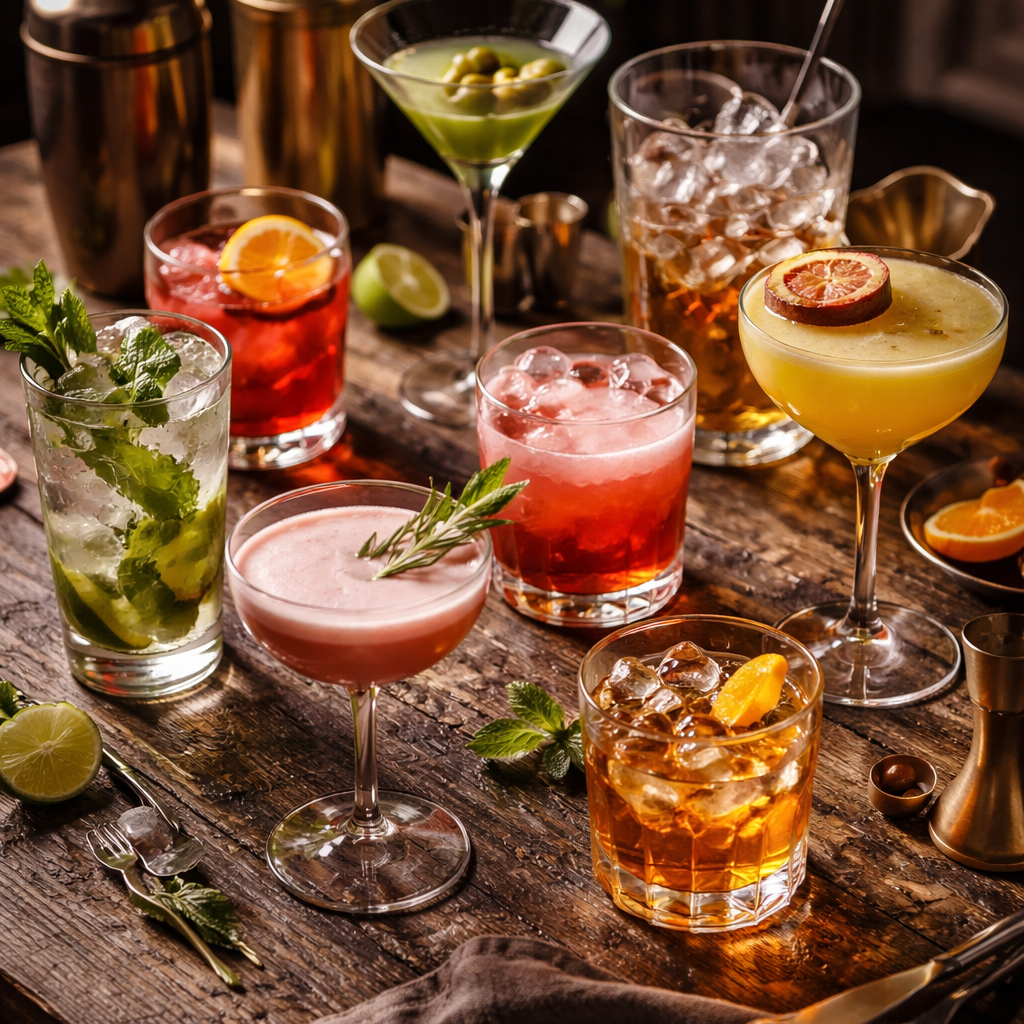
A sugar rim alters the first contact point between drink and palate. Sweetness hits before liquid, softening acidity and alcohol perception.
In drinks like the Sidecar, the rim balances sharpness and frames the entire experience.
Sidecar, France
Partial rims allow control without overwhelming the drink.
7. Salt or Seasoned Rim
What it changes: Sweetness and bitterness perception
Salt enhances sweetness and suppresses bitterness.
Even a light saline rim can make a cocktail taste rounder and more expressive without increasing sugar. This technique relies on restraint.
8. Aromatic Rinse
What it changes: Space and contrast
Aromatic rinses introduce scent without altering liquid balance. They create negative space, allowing core flavours to stand out more clearly.
The Sazerac demonstrates this principle perfectly, where aroma floats above a restrained base.
Sazerac, United States
This garnish never touches the drink, yet defines it.
9. Fresh Fruit Used Sparingly
What it changes: Juiciness and perception
Fresh fruit can brighten a drink, but excess juice destabilises balance quickly.
Used thoughtfully, fruit garnish adds a hint of sweetness and aroma without shifting structure. Used carelessly, it turns cocktails muddy.
10. Choosing No Garnish at All
What it changes: Focus
Sometimes the most powerful garnish is absence.
Removing garnish forces the drink to stand on structure alone. This choice highlights balance, dilution, and integration rather than aroma or visual cues.
Knowing when not to garnish is a skill.
For deeper insight into garnish as a design choice rather than decoration, this guide expands on the philosophy behind it.
The Art of Garnishing: Elevating the Cocktail Experience
Final Thought
Garnish is not garnish.
It is the final adjustment.
Once you understand how aroma, salt, and texture influence perception, you stop asking what looks good and start asking what the drink needs.
👉 Explore more cocktail guides, classics, and craft insight at
The Drink Journal
